Blog

Blog

DHI vs FUE: What Actually Differs in a Hair Transplant and How to Choose

DHI and FUE are not rivals: FUE removes the grafts, DHI is one way to place them. What the studies show, what they don't, and how to compare offers.

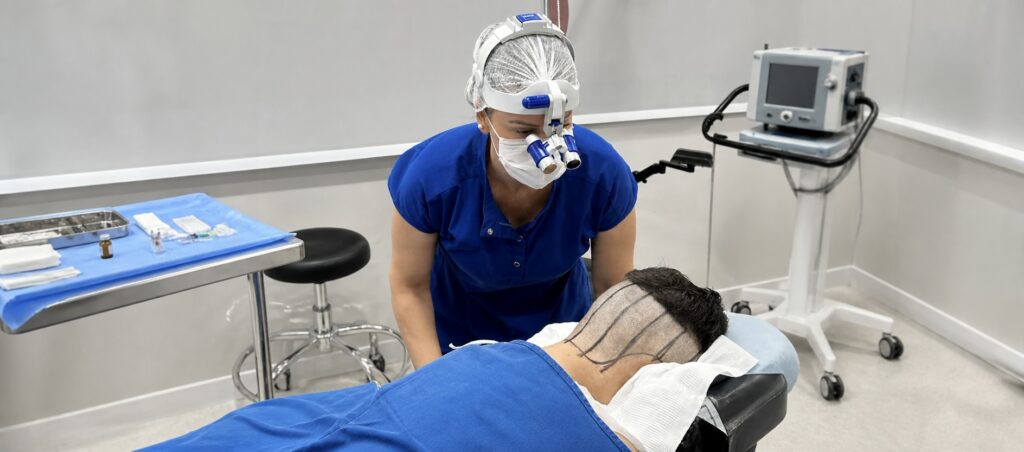
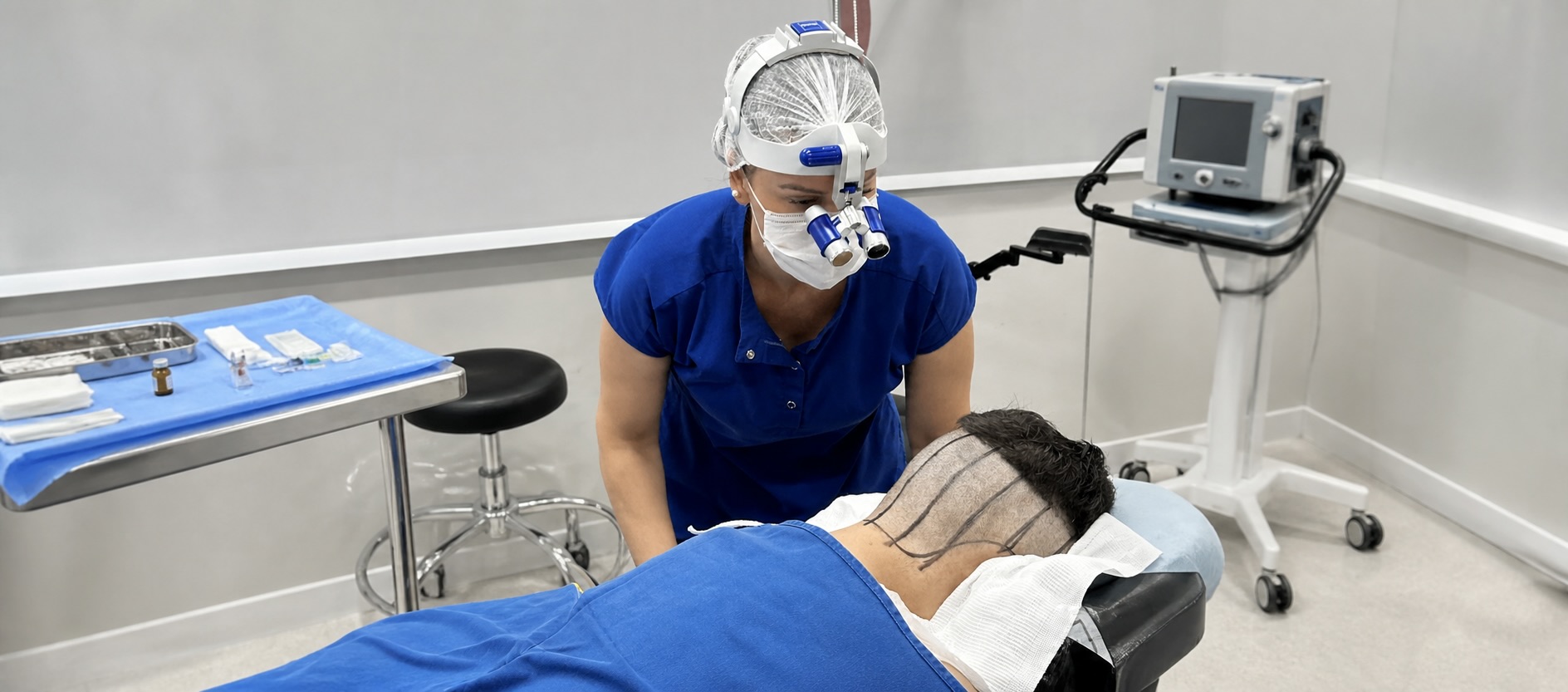
Team member with magnifying loupes preparing a patient whose donor area is marked before surgery

Blog

Male Pattern Baldness: Stages, Treatments and When a Transplant Makes Sense

Is baldness curable? Pattern hair loss explained stage by stage (Norwood, Ludwig), what medication, PRP, laser and a hair transplant can realistically do.

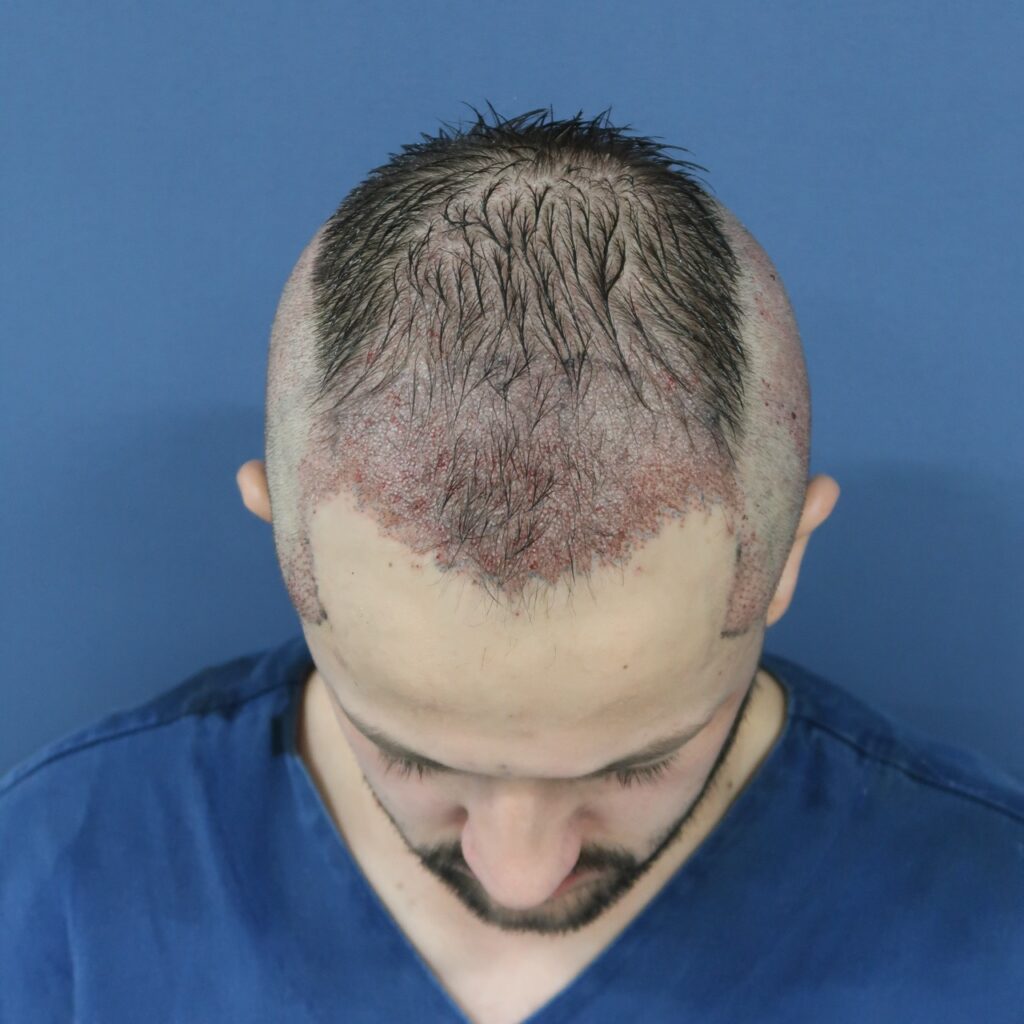
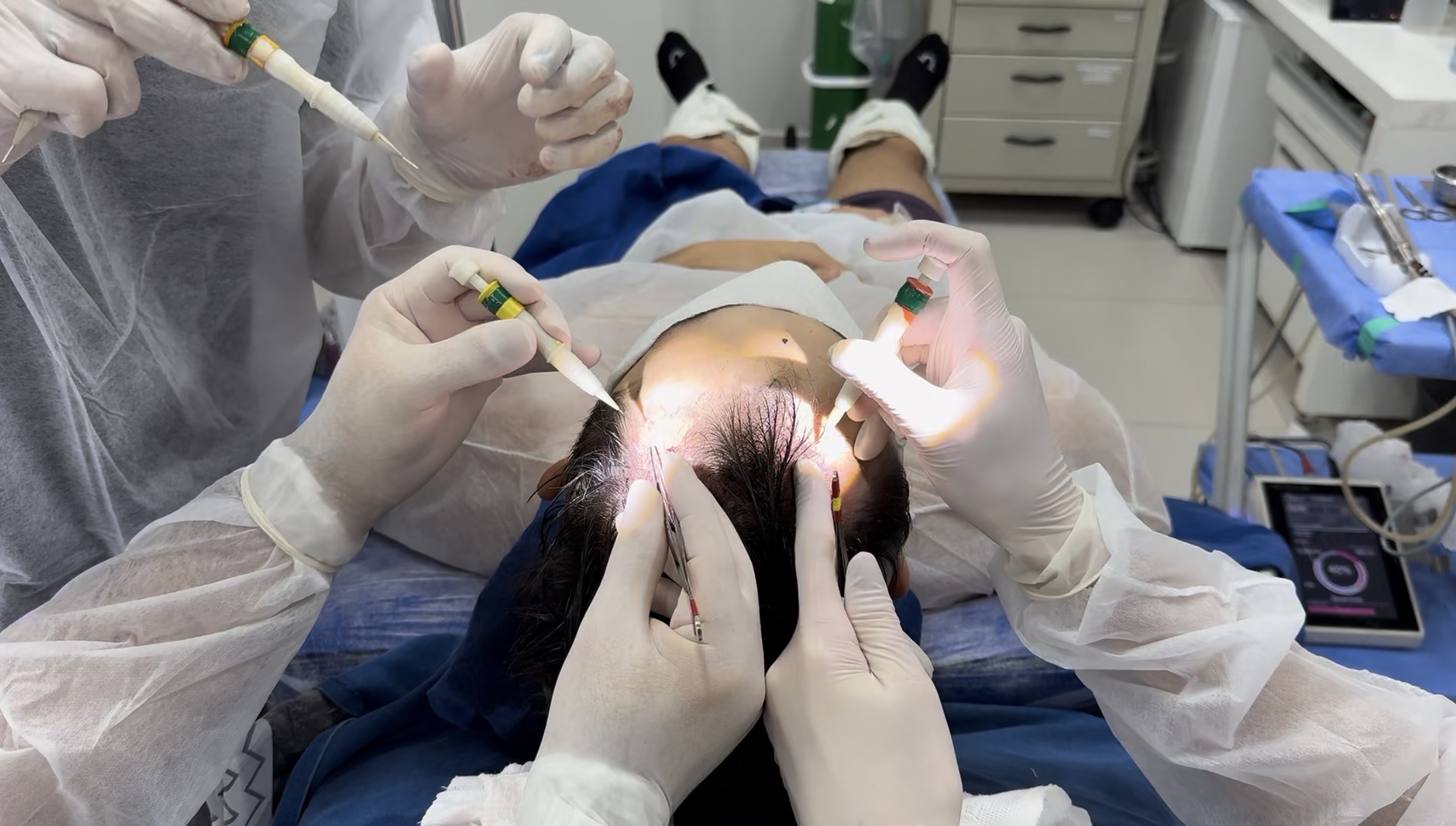
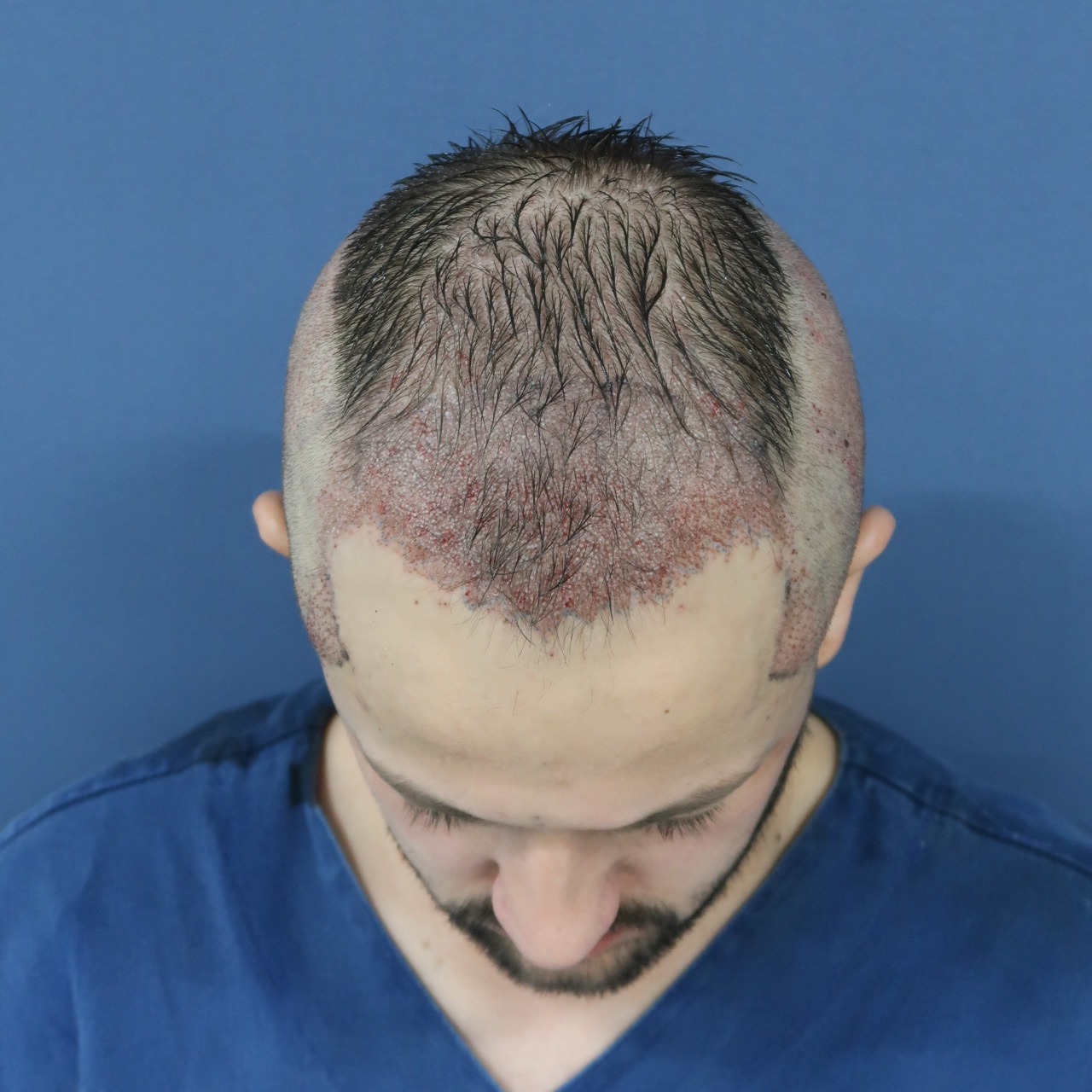
Top view of a patient's scalp shortly after a hair transplant, with fresh grafts along the hairline

Blog

Non-Shave Hair Transplant: When Discretion Matters

A non-shave hair transplant keeps your hair unshaved for discretion. It is more demanding and must be indicated carefully, without compromising quality.

Doctor examining the scalp of a patient lying on a treatment bed at the clinic

Blog

What to Expect After a Hair Transplant: Healing, Shedding, and Growth

What to expect after a hair transplant: healing, the shedding phase, early growth, and final maturation between 8 and 12 months. Patience is part of it.

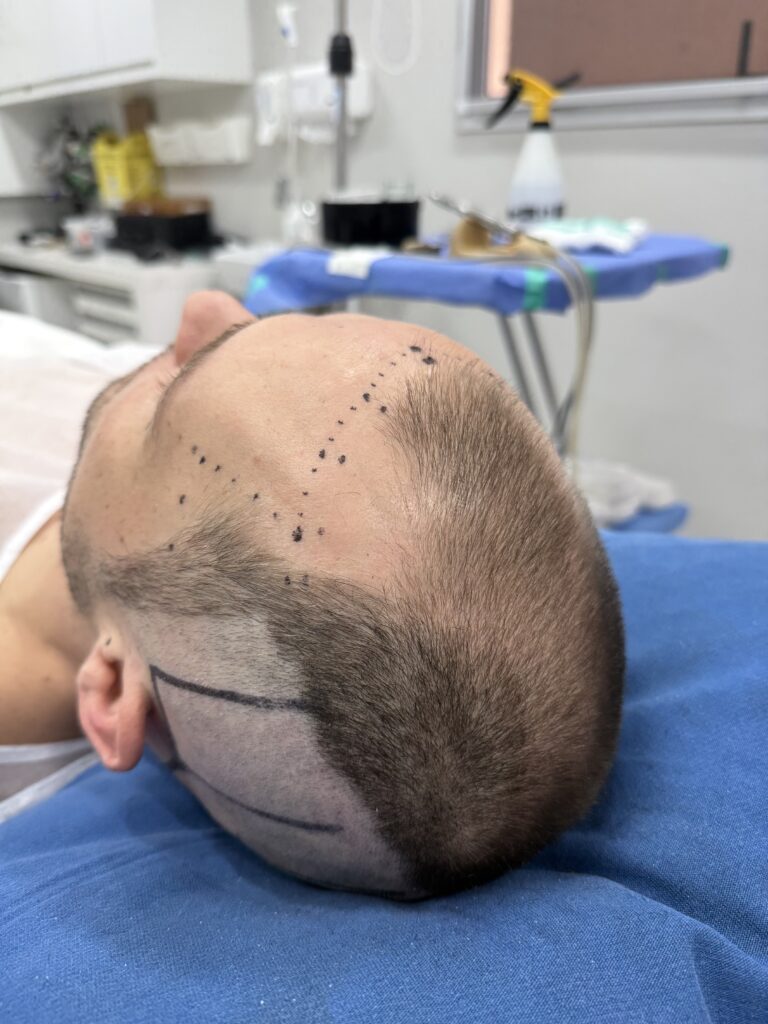
Patient's head marked with planning lines for the hairline and donor area before surgery

Blog

Hair Transplant Repair: What Patients Should Know Before a Second Surgery

What to know before hair transplant repair: it corrects scars, unnatural angles, and depleted donor areas, and demands realistic, honest planning.

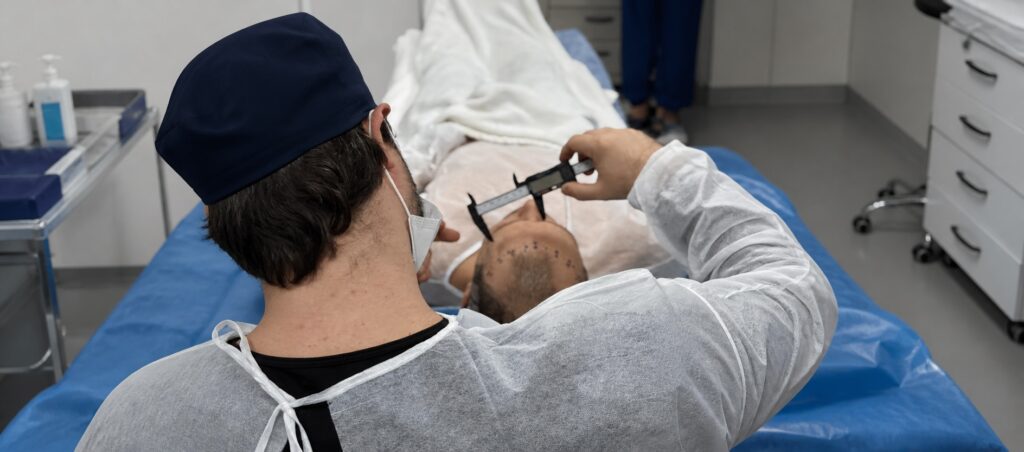
Surgeon measuring a patient's hairline with a caliper during a pre-operative assessment

Blog

When Is a Hair Transplant Not the Right Choice?

A hair transplant is not right for everyone at every stage. Unstable loss, a weak donor area, or unrealistic expectations can mean it is wiser to wait.

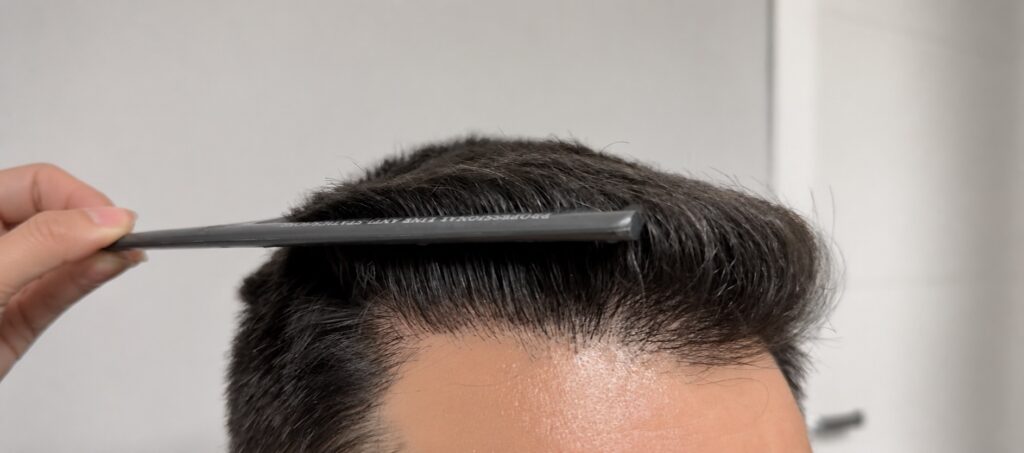
Comb lifting the hair at a natural-looking hairline to show hair density

Blog

Understanding Hair Transplant Density: Why More Grafts Do Not Always Mean a Better Result

Why more grafts do not always mean a better hair transplant result: visual density depends on hair type, placement, and smart use of a limited donor area.

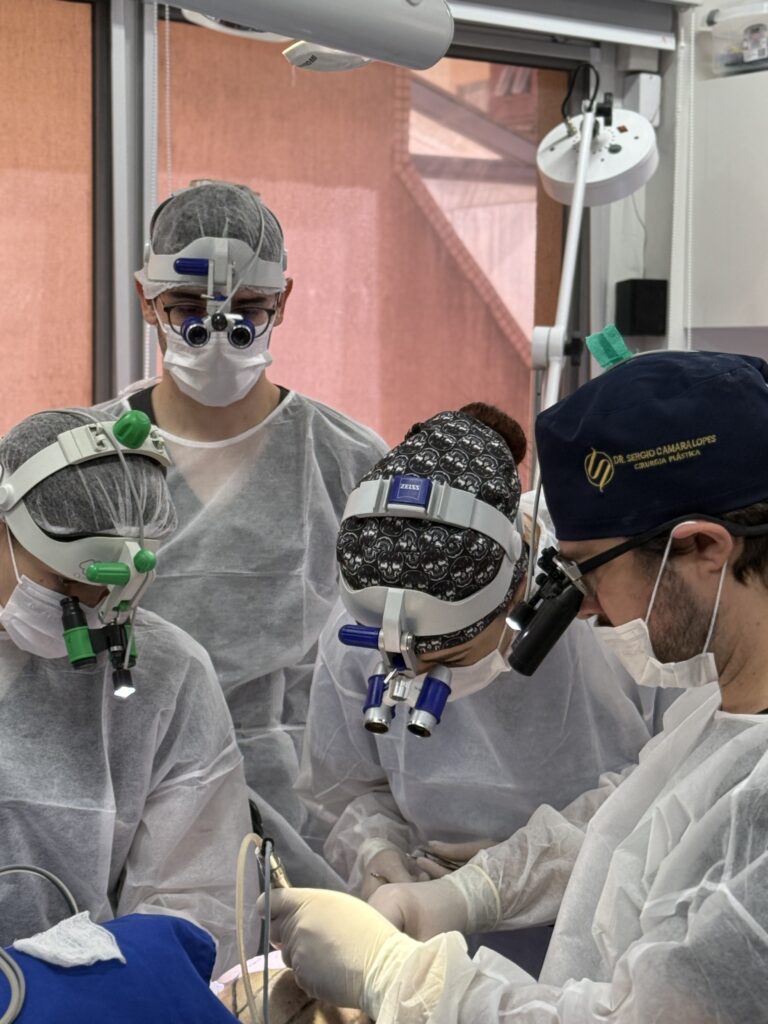
Surgical team wearing magnifying loupes during a hair transplant procedure

Blog

FUE Is Not Enough to Guarantee a Good Hair Transplant Result

FUE names the extraction method, not the whole result. Donor evaluation, hairline design, recipient sites, and experienced hands decide the final outcome.

Team member with magnifying loupes preparing a patient whose donor area is marked before surgery

Blog

Why the Donor Area Is the Most Important Part of a Hair Transplant

Why the donor area matters most in a hair transplant: it is limited and permanent, and overharvesting can cause thinning, scarring, and lost future options.

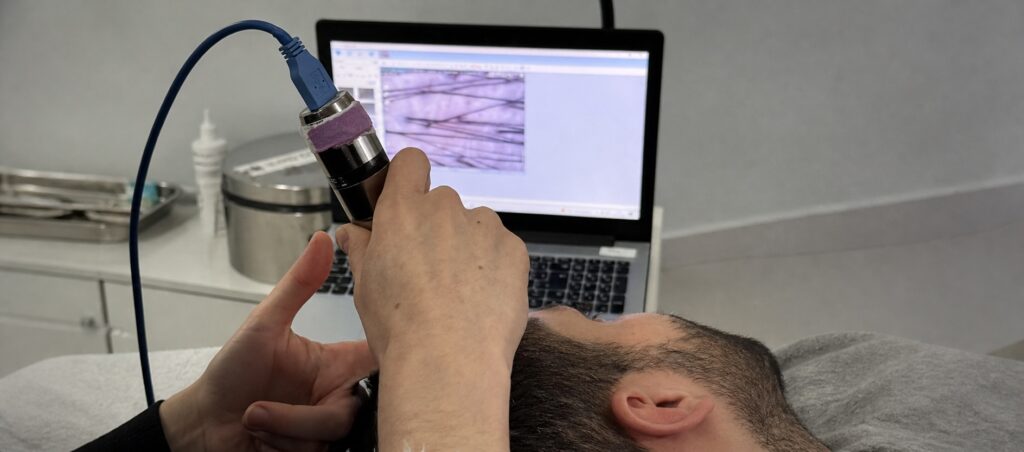
Trichoscopy of a patient's scalp with the magnified image shown on a laptop screen

Blog

How to Choose a Hair Transplant Clinic Without Being Misled by Marketing

How to choose a hair transplant clinic without being misled by marketing: who really performs the surgery, why graft numbers mislead, and what to ask.

Scroll to Top