Medically reviewed by Dr. Sergio Camara Lopes (plastic surgeon) and Dra. Alessandra Bernardi Camara Lopes (dermatologist), September 2026.
In this article
- Normal shedding or real hair loss?
- Pattern hair loss in men and women
- Telogen effluvium: the shedding phase
- Postpartum hair loss
- Alopecia areata
- Traction alopecia
- Scarring hair loss
- How a doctor finds the cause of hair loss
- Warning signs: do not wait
- What this means for a hair transplant
- Frequently asked questions
- Sources
Hair loss is not one condition. It is a symptom with several possible causes, and the cause of hair loss decides what should happen next. Pattern hair loss, a temporary shedding phase after illness or childbirth, an immune reaction, tension from hairstyles and scarring diseases all look different on the scalp and behave differently over time. If your hair is coming out faster than usual, the useful first step is a scalp examination that names the cause, not a product.
Not sure which type you are looking at? Send us a few photos and a short history and our team will tell you whether an evaluation makes sense.
Normal shedding or real hair loss?
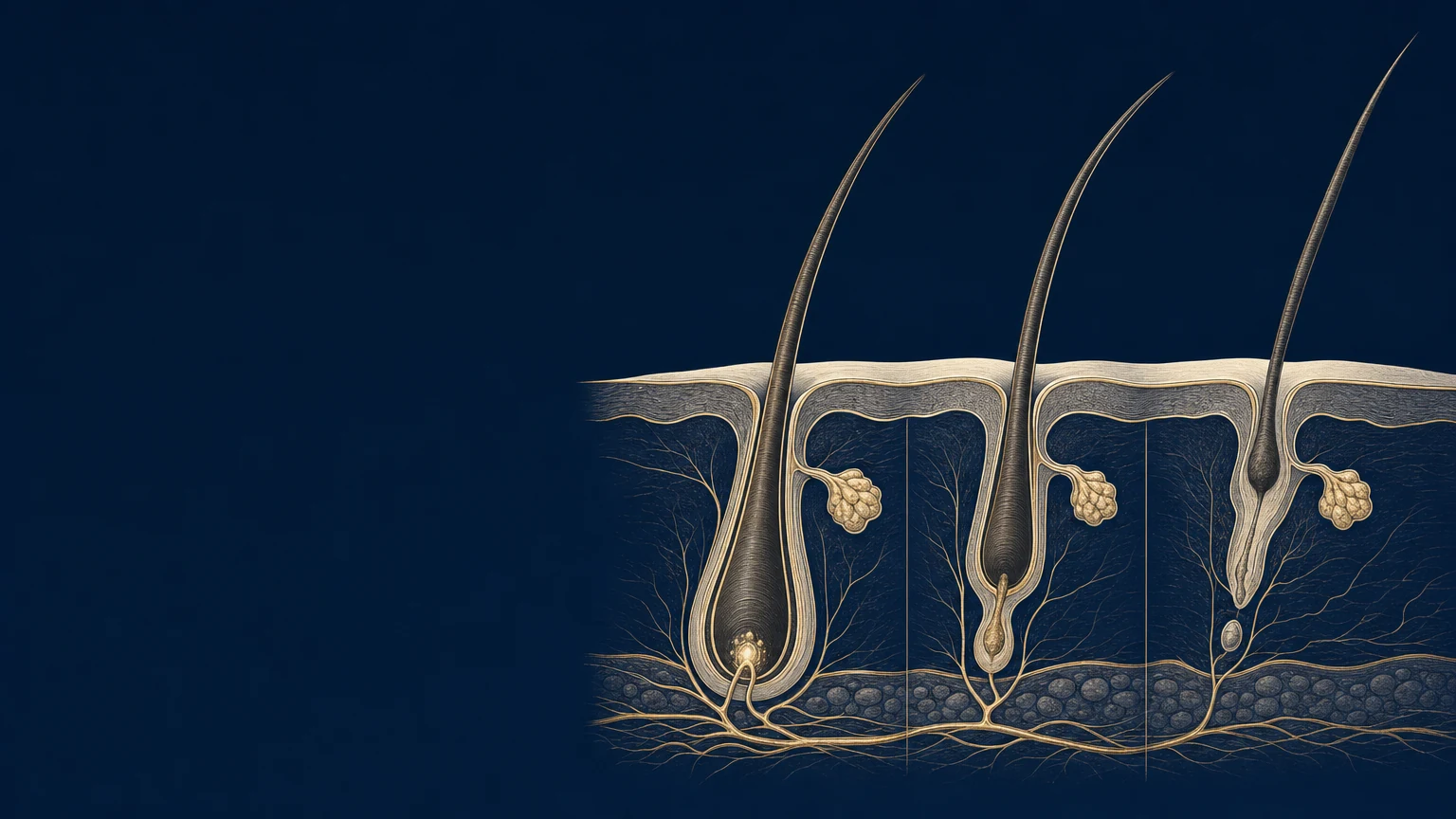
Every hair on your head follows a cycle. It grows for years, rests for a few months, and then falls out so that a new hair can take its place. Because thousands of follicles are always at different points in that cycle, some daily loss is built in. The American Academy of Dermatology puts normal shedding at roughly 50 to 100 hairs a day [10]. Those hairs end up in your brush, in the shower drain and on your pillow, and most people never notice them.
Hair loss becomes a medical question when one of three things happens:
- The amount changes: handfuls in the shower, a suddenly full brush, more hair on the pillow than you have ever seen.
- The pattern changes: a part line that looks wider, temples that move back, a crown that shows skin under strong light, a round patch with no hair at all.
- The scalp changes: itching, burning, pain, redness, scaling or shiny areas where hair used to grow.
Amount, pattern and scalp: keep those three words in mind. They are the same things a dermatologist looks at first, and they separate a temporary shedding phase from a condition that needs treatment.
Hair shedding and hair loss are not the same thing. Shedding means more hairs than usual are leaving the scalp, usually with a trigger and usually reversible. Hair loss means follicles are producing thinner hair, no hair, or have been damaged, and it follows a pattern.
Pattern hair loss in men and women
Pattern hair loss, known medically as androgenetic alopecia, is the type most people picture when they hear the word baldness. It affects both men and women and becomes more common with age [2]. In a community survey of more than 15,000 people in China, about 21 percent of men and 6 percent of women showed pattern hair loss, and the share rose with every age group [2]. Those are figures for that population, not for Brazil; the sources reviewed for this article did not include a comparable national figure for Brazil.
What it looks like in men
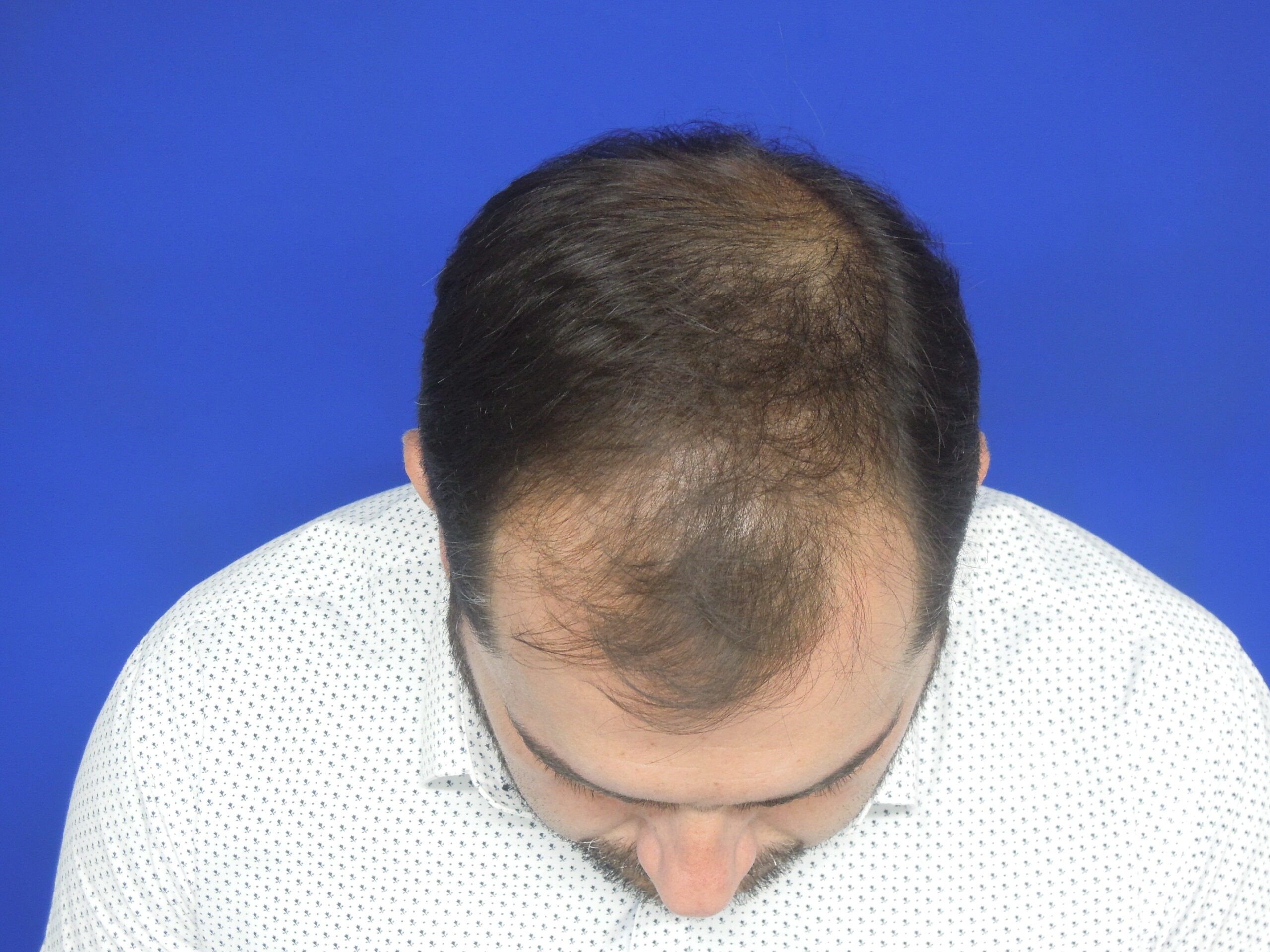
The American Academy of Dermatology describes the typical male picture as a receding hairline or a bald patch that starts in the centre of the scalp [10]. The two areas often meet over the years, leaving a horseshoe of hair at the sides and back. That band at the back is important later in this article: it is usually the last area to thin, which is why surgeons use it as the donor zone for a hair transplant.
What it looks like in women
Women rarely lose the hairline first. Female pattern hair loss usually reduces density over the central scalp while the frontal hairline stays largely in place [8]. The first sign is often a part line that keeps getting wider, or a ponytail that feels thinner than it used to. Because the loss is spread out rather than concentrated in a bald spot, many women wait years before anyone takes it seriously.
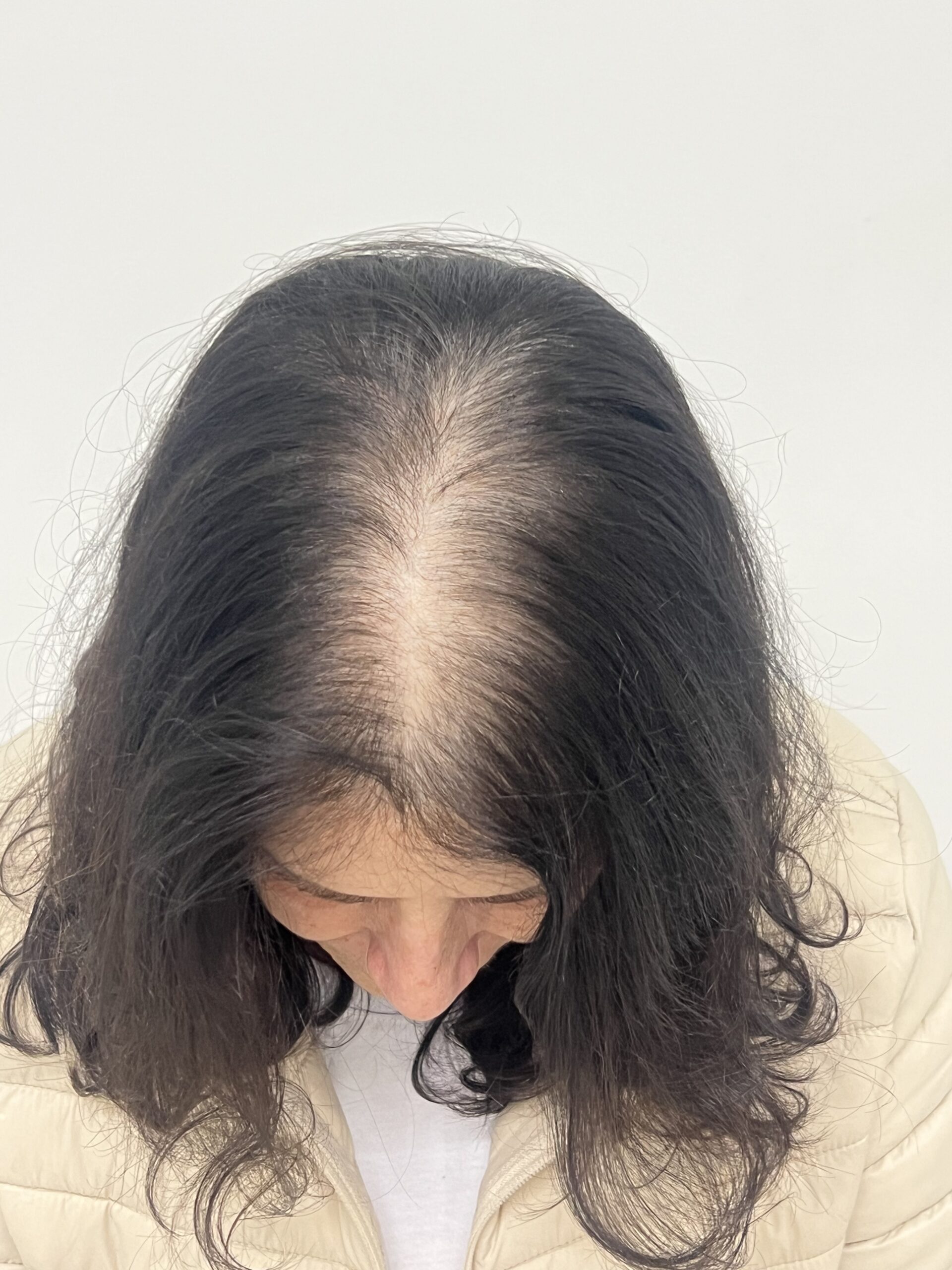
One point matters here, because it is a frequent worry: female pattern hair loss on its own does not prove a hormone disorder. A multidisciplinary task force appointed by the Androgen Excess and PCOS Society reviewed the evidence and concluded that isolated female pattern hair loss does not establish androgen excess [8]. Hormone testing is a decision for the consultation, not a foregone conclusion.
Why it matters
Pattern hair loss is progressive but slow, and the follicles at the back of the head are usually spared. That combination is exactly what makes it the most common reason people are good candidates for a hair transplant, and it is also why it should be diagnosed properly before anyone talks about surgery. Diffuse shedding can look like early pattern loss and needs a different answer.
The stages of pattern hair loss, and the treatments discussed at each one, are covered in our guide to male pattern baldness stages and treatments.
Telogen effluvium: the shedding phase
Telogen effluvium is the medical name for diffuse shedding. Something pushes a larger share of follicles than usual into the resting phase at the same time, and a few months later all of those hairs fall out together. The scalp itself looks healthy. There is no bald patch, just noticeably more hair everywhere.
Common triggers
The British Association of Dermatologists lists the typical triggers: childbirth, fever or illness, surgery, substantial weight loss, emotional stress and changes in medication [3]. The American Academy of Dermatology names the same events, including high fever, an operation, recovery from illness and stopping birth-control pills, and adds that most people notice the shedding a few months after the stressful event [10]. If you have recently been through any of these and your hair started falling out afterwards, that timing is the first clue. Do not stop or change a prescribed medication on your own; raise it with the doctor who prescribed it.
Why the delay confuses people
Shedding may become noticeable roughly two to three months after the trigger, although the timing varies from person to person [3, 9]. A doctor’s case series from the COVID-19 pandemic described diffuse shedding two to three months after the infection as the classic pattern, and in the ten patients of that series the shedding began on average about 50 days after the first COVID-19 symptom [9]. The event that caused your hair loss may already feel like old news by the time your hair reacts. People blame a new shampoo when the real cause was a fever three months earlier.
How it usually ends
Telogen effluvium usually improves without treatment once the trigger is gone [3]. Shedding often settles over three to six months, and visible density may take longer to come back because the new hairs have to grow to a useful length [3]. When shedding continues beyond about six months, doctors call it chronic telogen effluvium, and that is a reason to look again for a cause rather than to keep waiting [3]. Nobody can promise a fixed recovery date, and you do not have to wait six months before asking for help.
Postpartum hair loss
Pregnancy is the most familiar trigger of all. Hormone levels during pregnancy keep many hairs in the growth phase, which is why hair often feels fuller in the last months. After delivery those hairs move into the resting phase together, and a few months later they shed. In a questionnaire study of 331 women in Japan surveyed 10 to 18 months after giving birth, 304 reported hair loss, and the average timing was a start at about 2.9 months, a peak at about 5.1 months and an end at about 8.1 months after delivery [1].
Two cautions belong next to those numbers. The study relied on memory and had a low response rate, so it describes the women who answered, not every mother [1]. And the end of shedding is not the same as the return of full density; regrowth takes additional months. What the study does support is the reassuring core message: postpartum shedding commonly becomes noticeable a few months after delivery and then settles over the following months, with timing that varies from woman to woman [1].
Breastfeeding came up in the same study as an observed association, not a proven cause, and there is no basis for shortening breastfeeding to protect your hair [1]. If shedding after childbirth continues well beyond the first year, or if the scalp starts to show a widening part line rather than diffuse loss, an examination is worthwhile, because pattern hair loss can become visible for the first time in the same period.
Alopecia areata
Alopecia areata is different in kind. It is an immune-mediated, non-scarring form of hair loss that often appears as one or more smooth, round patches, sometimes overnight [6]. It can affect the beard, eyebrows and eyelashes as well as the scalp, and it can come and go. Because the follicles are not destroyed, hair can regrow, but the course is unpredictable.
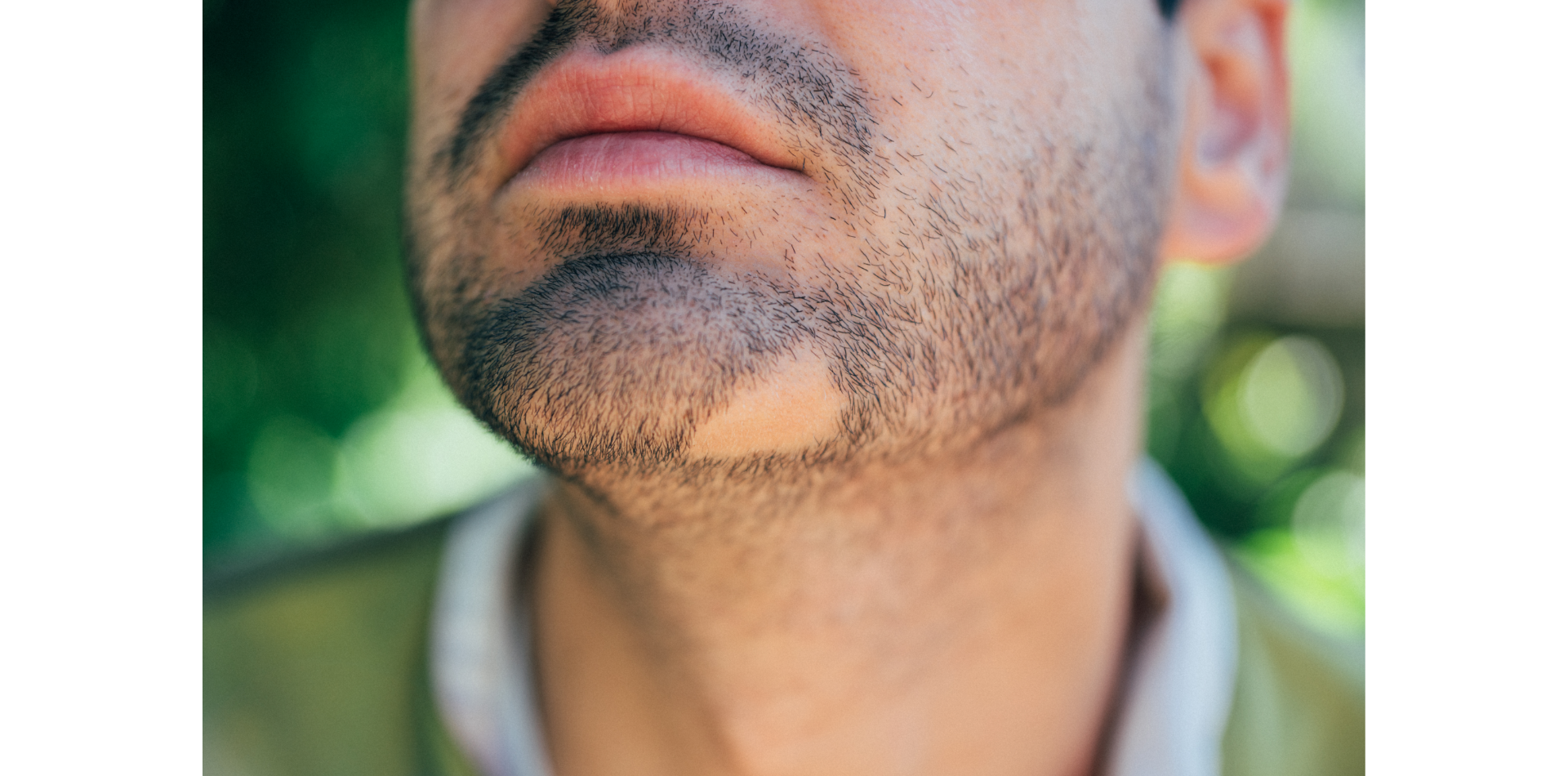
The current German S3 guideline, published in 2026, recommends that patients with alopecia areata be screened for thyroid disease [6]. That is one of the clearest examples of why the diagnosis has to come first: a thyroid test is a sensible step for one cause of hair loss and not a routine step for every cause. Alopecia areata is treated by a dermatologist [6]; whether any surgery is ever appropriate is a question for that specialist, not a starting point.
Traction alopecia
Traction alopecia is hair loss caused by constant pulling [4]. Tight braids, buns, ponytails, extensions and weaves that tug at the same follicles day after day gradually thin the hair along the hairline and the temples. When it has been present for only weeks or months, the hair can recover once the tension stops [4]. When the pulling continues for years, the follicles can be permanently damaged [4]. The British Association of Dermatologists’ patient guidance on this topic dates from 2019, so the basic message is well established even if the leaflet is due for review [4].
The practical advice is simple and cheap: loosen the style, change it regularly, and take pain or small bumps along the hairline seriously. Whether a scarred area from traction alopecia is suitable for surgery is assessed individually, and only once the pulling has stopped for good.
Scarring hair loss
A small group of conditions destroys the follicle and replaces it with scar tissue. Lichen planopilaris is one of them: it destroys the hair follicle and replaces it with scarring, which results in permanent hair loss [5]. These disorders often announce themselves with symptoms such as pain, itching, burning, redness, scaling and smooth, shiny areas where the follicle openings have disappeared [5]. A shedding phase can occasionally bring scalp tenderness or altered sensations too [3], so symptoms alone do not prove a scarring disease; they are a reason to be examined.
We mention this category not to alarm you but because time matters. Scarring diseases need early dermatological treatment; the aim is to calm the inflammation and limit further loss, the response varies from person to person, and a scalp biopsy may be needed to confirm the diagnosis [5]. If any of those scalp symptoms sound familiar, skip the waiting period described for telogen effluvium and book an examination.
How a doctor finds the cause of hair loss
The internet promises a diagnosis from a single photo. Real diagnosis is a sequence, and each step narrows the options.
1. History
Assessment starts with a medical history and an examination of the scalp [3]. Expect questions about when the loss began, whether it came on suddenly or slowly, what happened in the three months before it started, your family history, pregnancies, medications, diet, illnesses and how you style your hair. Bring photos from a year ago if you have them; they are often more useful than anything you can describe.

2. Scalp examination and trichoscopy
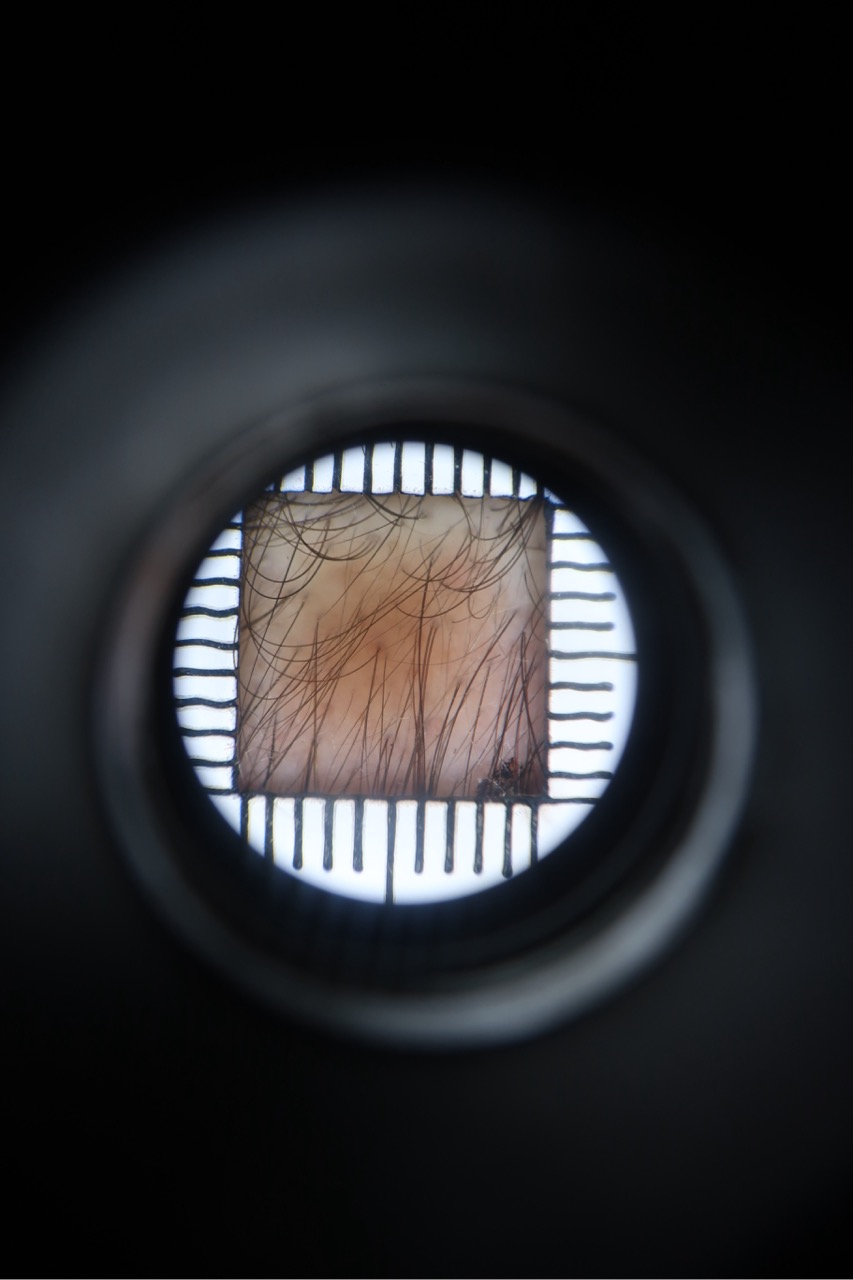
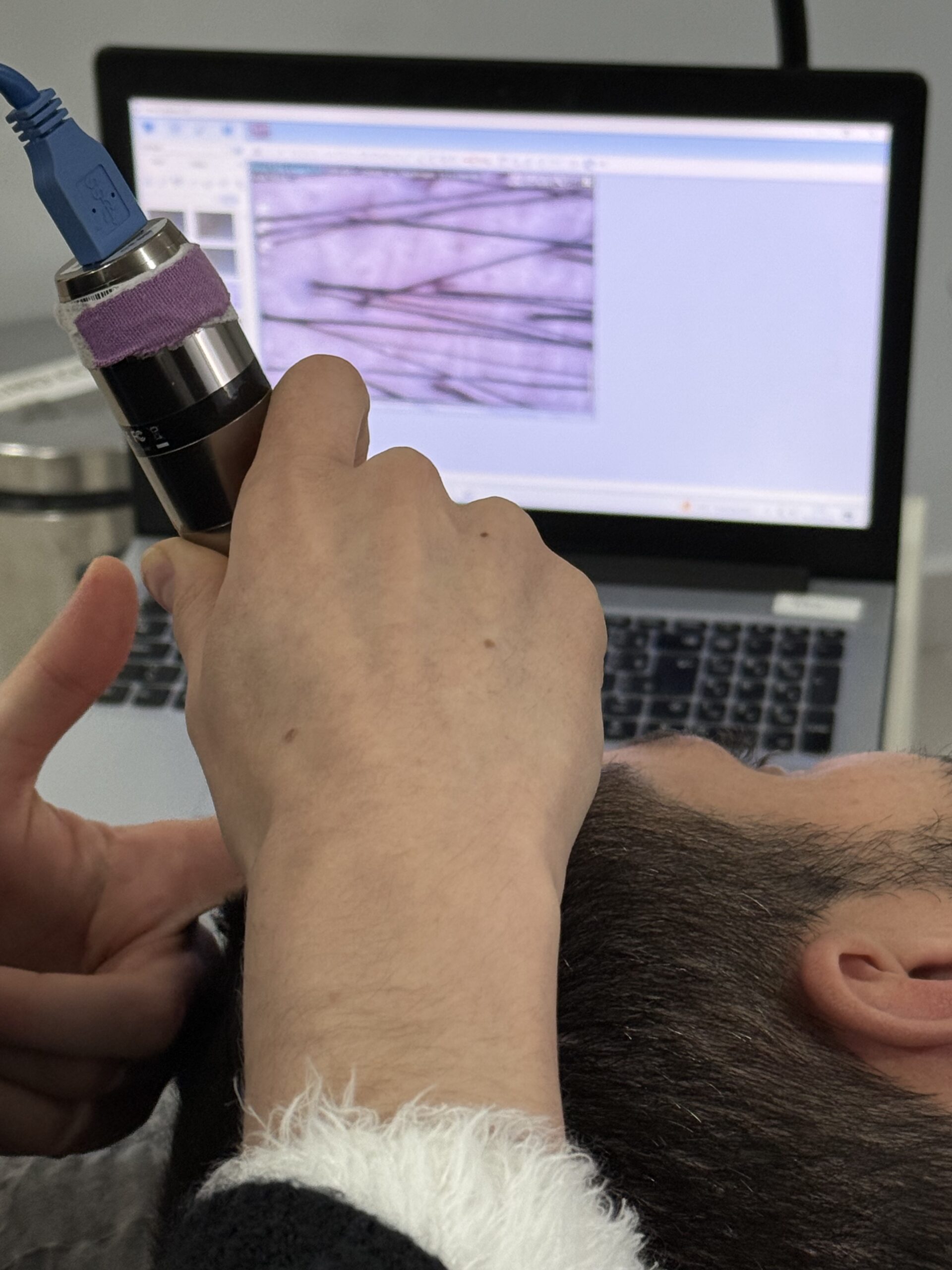
Trichoscopy is a magnified examination of the hair shafts and the scalp surface. It shows features that the naked eye cannot see, such as the mix of thick and thin hairs and the appearance of the follicle openings. In a study of 131 women whose diagnoses were confirmed by biopsy, trichoscopy criteria allowed female pattern hair loss to be distinguished from chronic telogen effluvium [7]. That is exactly the distinction most patients need, because the two conditions can look alike from arm’s length and lead to completely different plans. Trichoscopy supports the diagnosis; it does not replace the rest of the assessment, and its accuracy depends on the condition and the examiner rather than on a single percentage.
3. Pull test
A clinician may gently pull small groups of hairs to see how many come away [3]. It is a quick way to judge whether shedding is active. It is meant for the consultation room, not for testing yourself at home, where the result is hard to interpret without training.
4. Blood tests, when they fit the picture
This is where many articles go wrong. There is no universal blood panel for hair loss. Which tests make sense depends on the suspected diagnosis, the findings and the patient’s age.
- For female pattern hair loss, the Androgen Excess and PCOS Society committee recommends considering iron studies, and lists vitamin D, iron, zinc, thyroid hormones and prolactin as optional but recommended measurements [8].
- For alopecia areata, the S3 guideline recommends thyroid screening, and it distinguishes indication-based vitamin D testing in adults from broader screening in children [6].
Blood tests can uncover an iron deficiency or a thyroid problem that deserves treatment in its own right. What they cannot do is prove a cause on their own, and a supplement bought online is not a treatment plan. If a test is ordered, it is because the examination pointed to it.
5. Biopsy, rarely
A small scalp biopsy helps confirm a suspected scarring disease such as lichen planopilaris [5]. Most patients never need one.
What this looks like at Camara Lopes Clinic
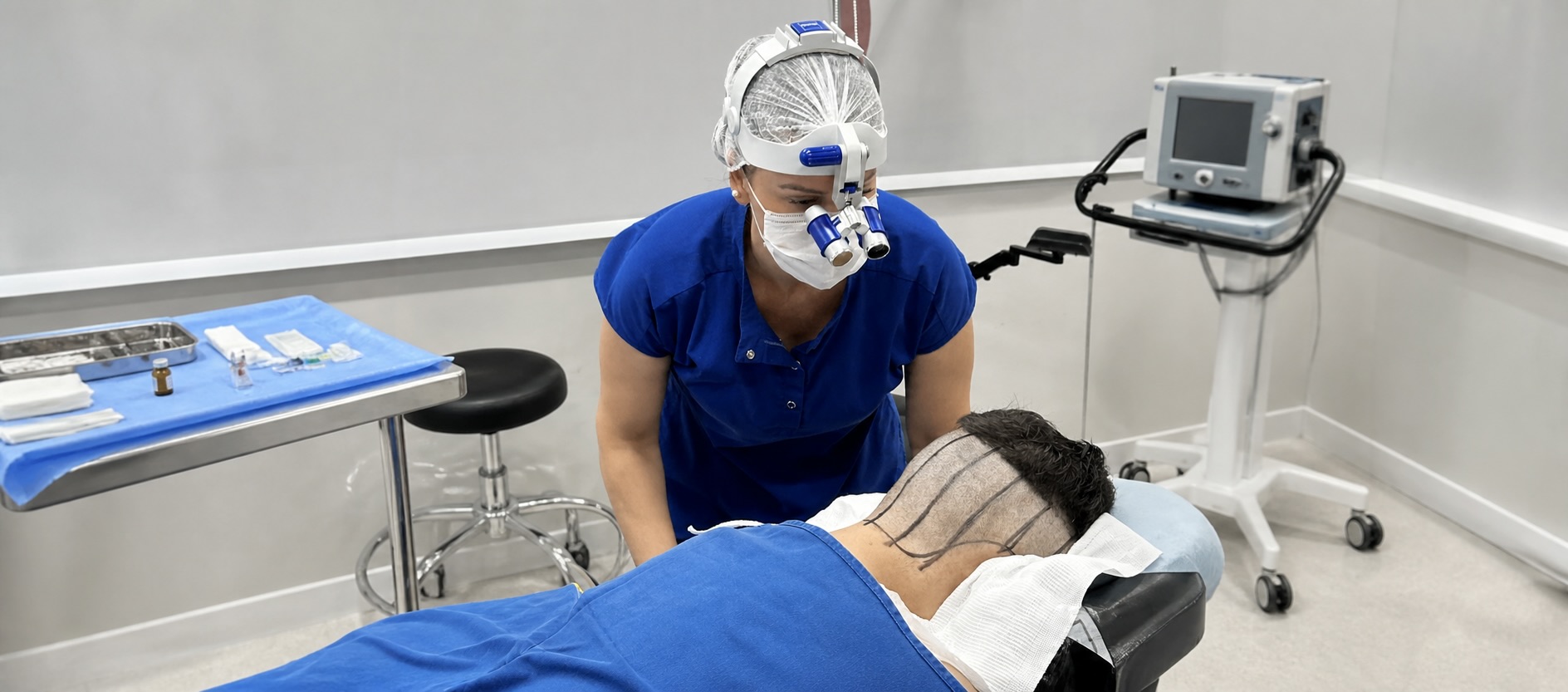
Our team in Curitiba combines a plastic surgeon and a dermatologist who specialises in hair and scalp disorders. Read how our hair loss diagnosis works, or meet the doctors.

Warning signs: do not wait
Most shedding is temporary. These situations are the exceptions, and they justify an examination now rather than in six months:
- Scalp symptoms together with the hair loss: pain, itching, burning, redness, scaling or shiny, smooth patches. These are features of scarring disorders, which can permanently damage follicles [5].
- Sudden round bald patches on the scalp, beard or eyebrows, which point towards alopecia areata and its recommended thyroid screening [6].
- Shedding that does not improve. The British Association of Dermatologists advises seeking medical advice when shedding persists [3]. You do not need to wait until it has lasted six months.
- A clear pattern taking shape, such as a widening part line, retreating temples or a thinning crown, especially if it runs in your family.
- Hair loss after a new medication, which should be discussed with the prescribing doctor rather than stopped on your own [3].
Recognise yourself in this list? An examination in Curitiba or an online evaluation gives you an assessment of the likely causes instead of a guess.
What this means for a hair transplant
People arrive at our clinic asking about a transplant. Often the honest answer is “not yet” or “not for this type of hair loss”, and a good consultation says so.
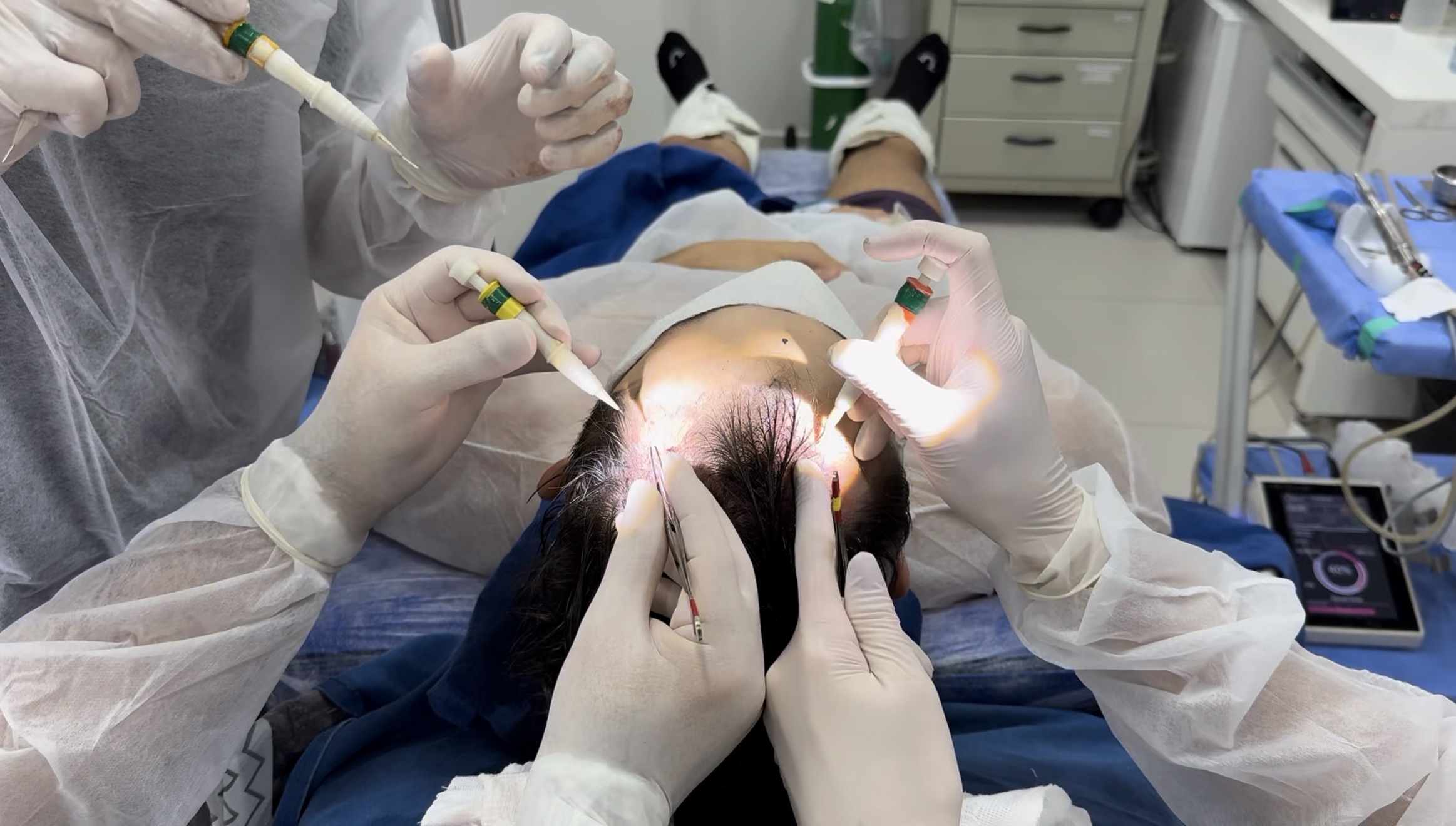
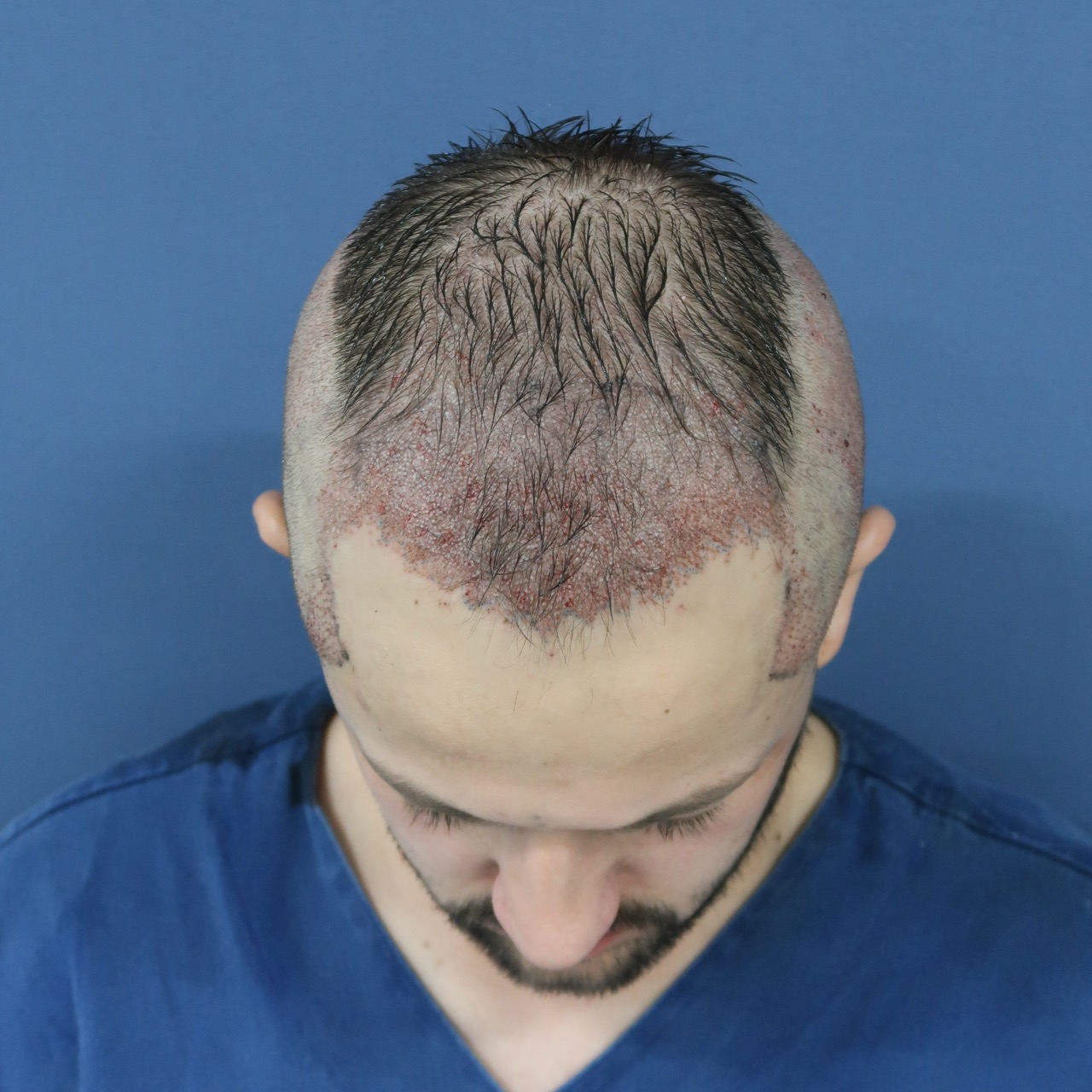
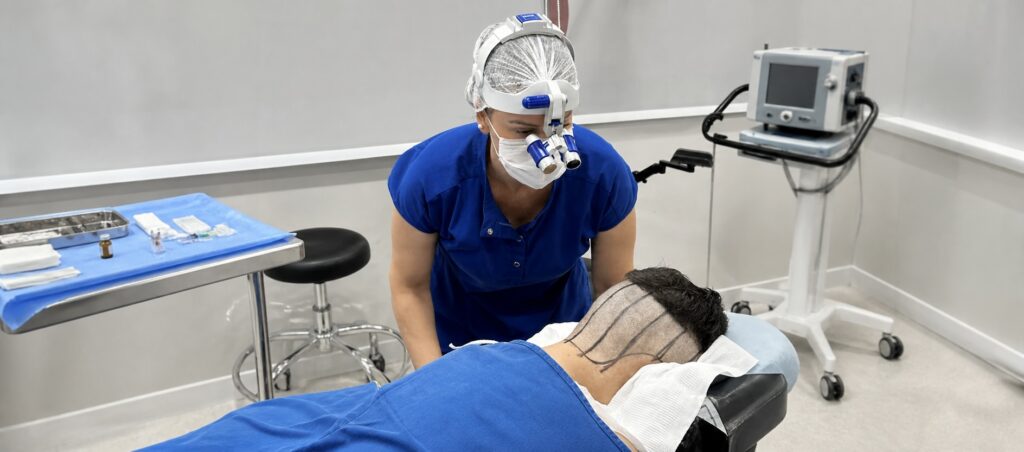
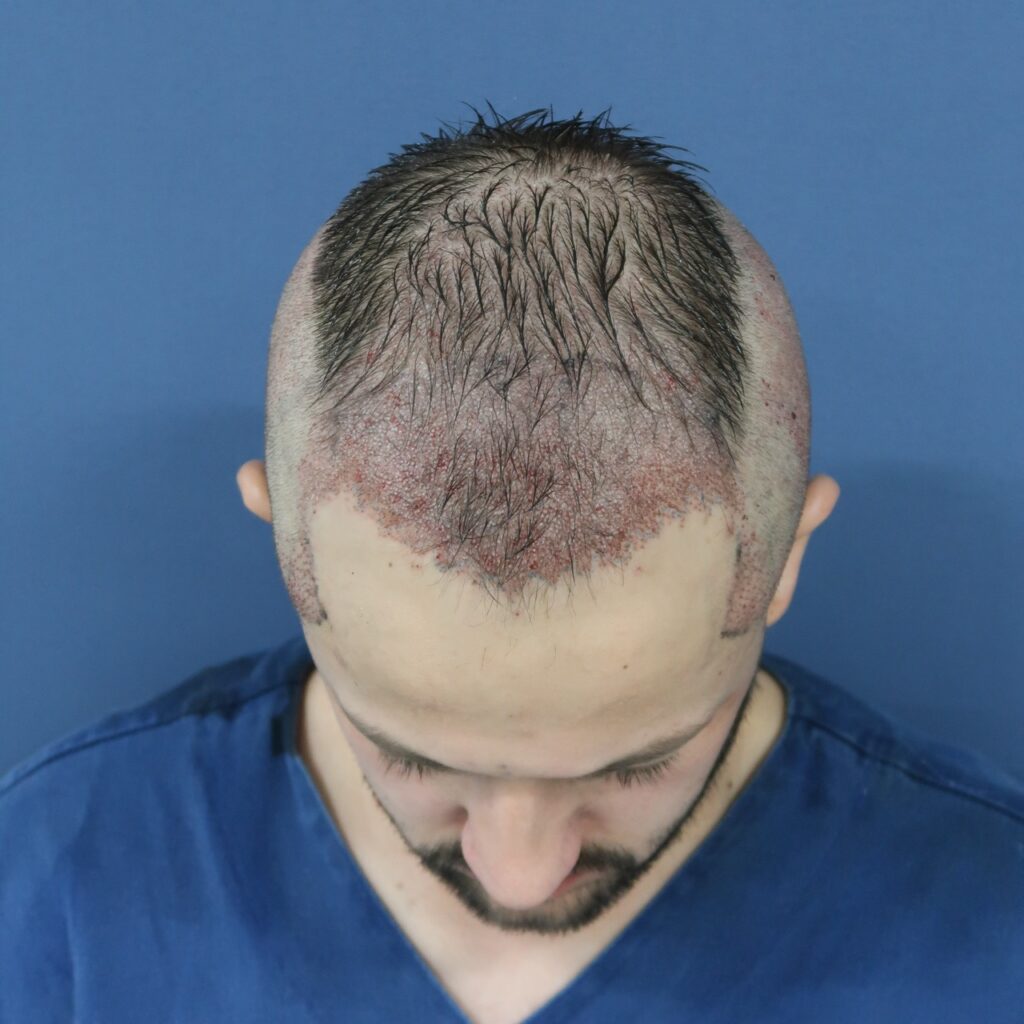
A hair transplant moves follicles from the donor area at the back and sides to thinning areas. It is considered when the hair loss is stable and follows a pattern; whether it suits a specific person is decided in the evaluation. You can see what stable pattern hair loss looks like before and after surgery in two of our documented cases: a 5,000-graft no-shave FUE for Norwood IV loss and a hairline and crown FUE in a Norwood IV pattern.
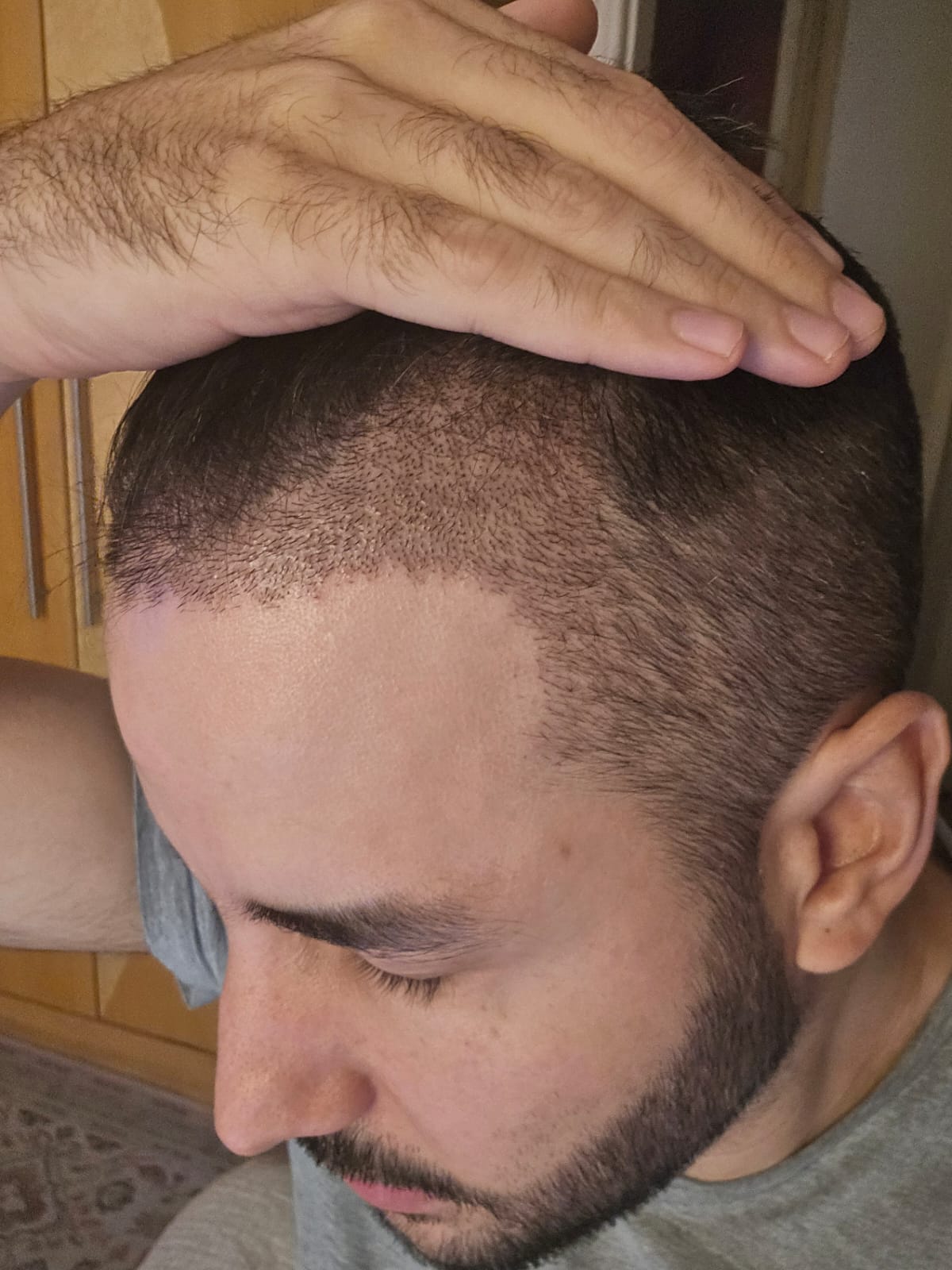
A transplant is the wrong tool in three situations, which is why suitability is checked individually before any surgery:
- Active telogen effluvium. The hair is expected to come back on its own once the trigger is gone [3], so surgery is not the answer to a temporary shedding phase.
- Alopecia areata. It is an immune-driven condition and belongs with a dermatologist first [6].
- Untreated scarring disease. Surgery is only discussed once the disease has been treated and is inactive [5].
That is why the diagnostic sequence above comes first, every time. If you want to understand the surgical side, our pages on FUE hair transplantation, hair transplants for women and what a hair transplant costs explain the method, the candidates and the pricing logic without a sales pitch.
Frequently asked questions
How long does telogen effluvium last?
Shedding from telogen effluvium often settles over three to six months once the trigger is gone, and visible density takes longer to return because new hairs must grow out [3]. Shedding that continues beyond six months is called chronic and should be re-examined for an ongoing cause rather than waited out [3].
Is hair loss after giving birth normal?
Postpartum shedding is common and usually temporary. In a study of 331 women, most reported hair loss that started on average about three months after delivery, peaked around five months and ended around eight months, with wide individual variation [1]. Shedding that lasts well beyond the first year, or a widening part line, is worth an examination.
My hair is falling out in handfuls. What should I do?
Note when it started and what happened in the two to three months before, since illness, fever, surgery, weight loss, stress and medication changes are the typical triggers of diffuse shedding [3, 10]. Then have the scalp examined. Handfuls of hair with an otherwise healthy scalp usually mean telogen effluvium; hair loss with pain, itching, redness or shiny patches needs prompt dermatological assessment [5].
What actually works for hair loss?
Whatever matches the cause. Diffuse shedding after a trigger usually resolves without treatment [3]; alopecia areata is treated by a dermatologist; pattern hair loss has medical and surgical options depending on stage and stability. No single product suits every cause, and starting supplements or medication before a diagnosis can cost time without addressing the cause. Diagnosis first, then treatment.
Does hair lost through stress grow back?
Stress is a recognised trigger of telogen effluvium, and telogen effluvium usually gets better without treatment once the stressor has passed [3]. Recovery takes months, not weeks, because shed hairs are replaced by new ones that need time to grow. If the hair does not recover, or if a pattern emerges, a second look is needed.
When should I see a trichologist or dermatologist?
When the amount, the pattern or the scalp has changed, when shedding persists, when you see round patches, or when there are scalp symptoms such as pain, itching, burning, redness or scaling [3, 5, 6]. At Camara Lopes Clinic the medical team is a dermatologist with a focus on hair and scalp disorders and a plastic surgeon.
Ready to find out which type of hair loss you have? Book your online consultation and send us your photos. You will get a reply from the clinic.
Sources
- Investigation of exacerbating factors for postpartum hair loss: a questionnaire-based cross-sectional study. Int J Womens Dermatol, 2023. PMID 38323220. DOI 10.1097/JW9.0000000000000084.
- Prevalence of androgenetic alopecia in China: a community-based study in six cities. Br J Dermatol, 2010. PMID 20105167. DOI 10.1111/j.1365-2133.2010.09640.x.
- British Association of Dermatologists. Telogen effluvium, patient information leaflet, 2025. https://www.bad.org.uk/pils/telogen-effluvium
- British Association of Dermatologists. Traction alopecia, patient information leaflet, 2019. https://www.bad.org.uk/pils/traction-alopecia
- British Association of Dermatologists. Lichen planopilaris, patient information leaflet, 2022. https://www.bad.org.uk/pils/lichen-planopilaris
- S3 guideline diagnostics and therapy of alopecia areata, Part 1: Diagnostics and epidemiology. J Dtsch Dermatol Ges, 2026. PMID 41855094. DOI 10.1111/ddg.70065x.
- Rakowska A et al. Dermoscopy in female androgenic alopecia: method standardization and diagnostic criteria. Int J Trichology, 2009. PMID 20927234. DOI 10.4103/0974-7753.58555.
- Female Pattern Hair Loss and Androgen Excess: A Report From the Multidisciplinary Androgen Excess and PCOS Committee. J Clin Endocrinol Metab, 2019. PMID 30785992. DOI 10.1210/jc.2018-02548.
- Telogen effluvium associated with COVID-19 infection. Dermatol Ther, 2021. PMID 33405302. DOI 10.1111/dth.14761.
- American Academy of Dermatology. Do you have hair loss or hair shedding? https://www.aad.org/public/diseases/hair-loss/insider/shedding
This article is general information and does not replace a medical consultation. Camara Lopes Clinic, Curitiba, Brazil.