In this article
-
Why patients ask for non-shave surgery
-
The challenge of working around existing hair
-
Who may be a candidate
-
Why photos must be accurate
-
Discretion should not reduce quality
Why patients ask for non-shave surgery
Many patients want a hair transplant but do not want a shaved head. Professional life, privacy, social exposure, and personal preference can make discretion very important. A non-shave approach can help selected patients keep more of their normal appearance during recovery.
However, non-shave surgery is not simply a marketing feature. It is technically more demanding and must be indicated carefully.
The challenge of working around existing hair
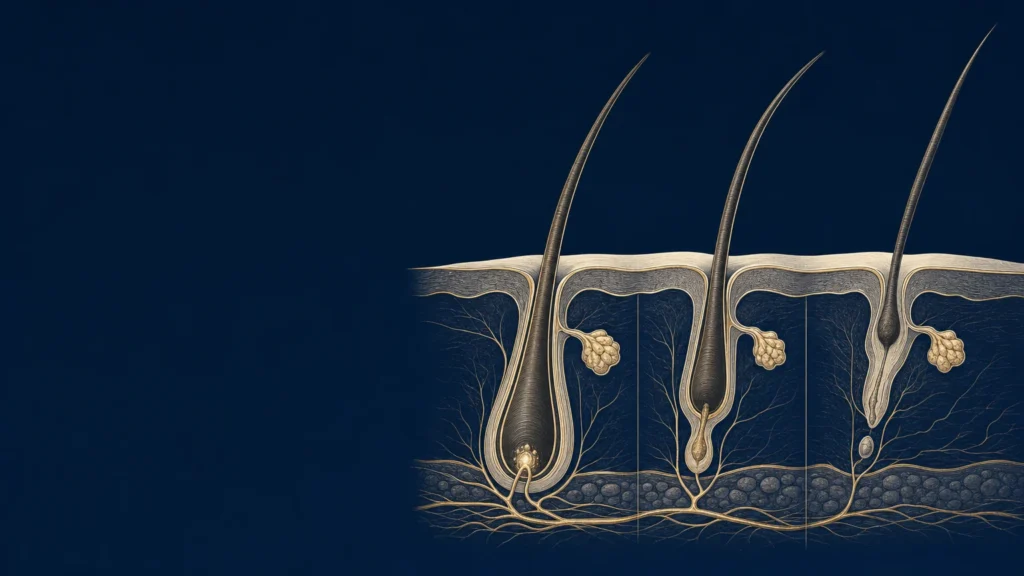
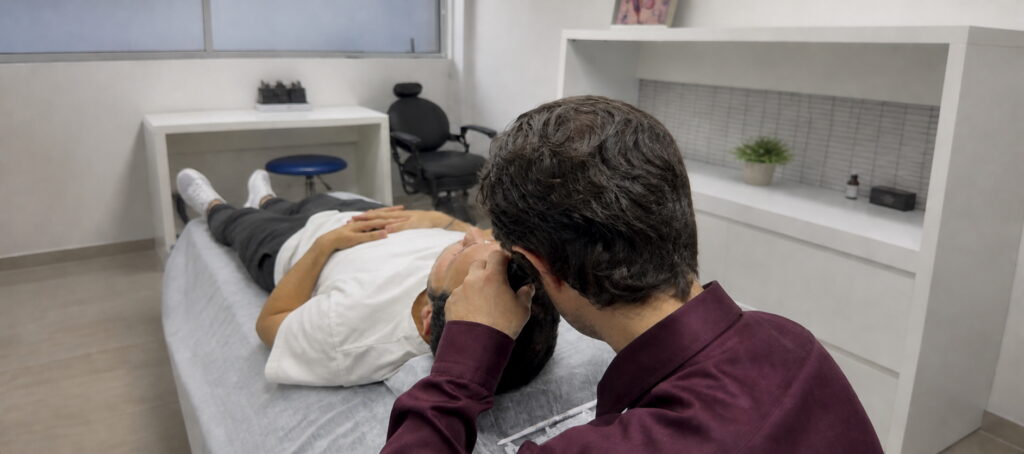
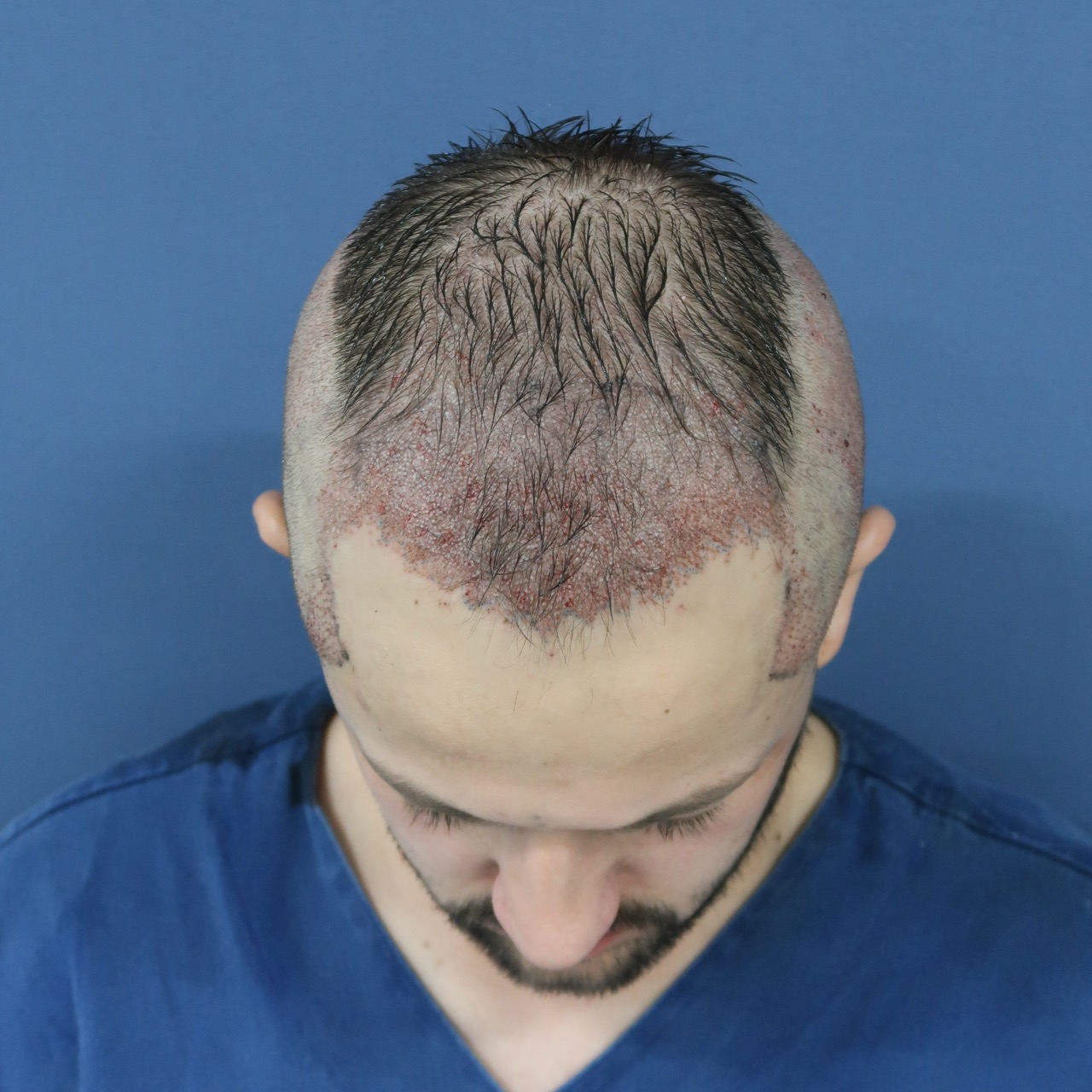
When hair is not shaved, visibility becomes more difficult. The medical team must work between existing hairs, avoid damaging native follicles, and place grafts with correct direction and depth. This can increase the time and complexity of surgery.
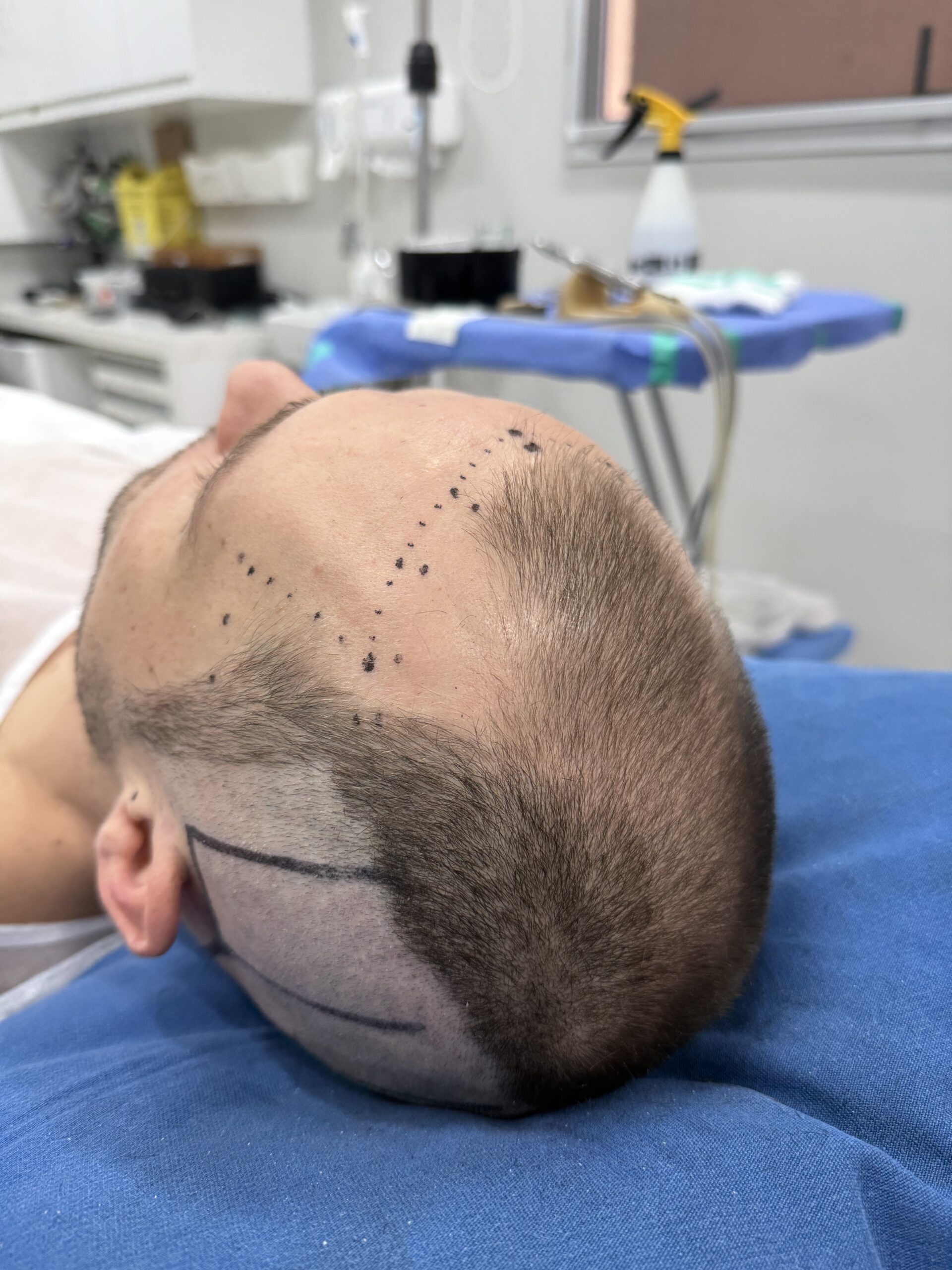
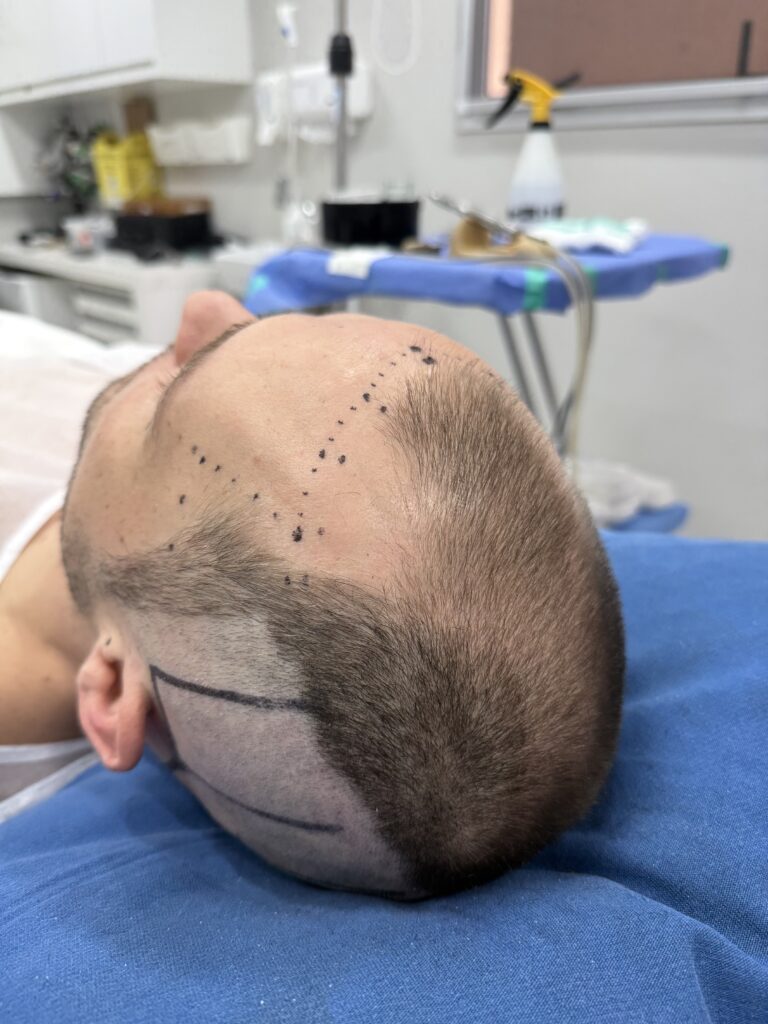
The donor area also requires careful planning. Depending on the case, a partial shave may still be necessary to extract safely and avoid unnecessary trauma.
Who may be a candidate
Non-shave surgery may be considered for patients with localized thinning, smaller sessions, frontal refinement, female hair loss, or professional concerns about visibility. It may not be ideal for very large sessions or cases where maximum visibility is necessary for safety.
The decision should be based on the best surgical result, not only on the desire to avoid shaving.
Why photos must be accurate
Long or dense hair can hide the true extent of thinning. For this reason, the clinic may request photos with the hair dry, separated, and sometimes wet. These photos help reveal the real density and allow a more accurate plan.
If the medical team cannot see the problem clearly, the plan may be incomplete. Good photos are part of good surgery.
Discretion should not reduce quality
The ideal non-shave case is one where discretion and quality can work together. If keeping the hair unshaved would compromise visibility, safety, or density, the patient should be informed honestly.
The bottom line
A discreet procedure is valuable only when it still respects the principles of a good transplant.
Clínica Camara Lopes
Want a discreet hair transplant?
Find out whether a non-shave approach fits your case, with an honest plan that keeps discretion and quality working together.