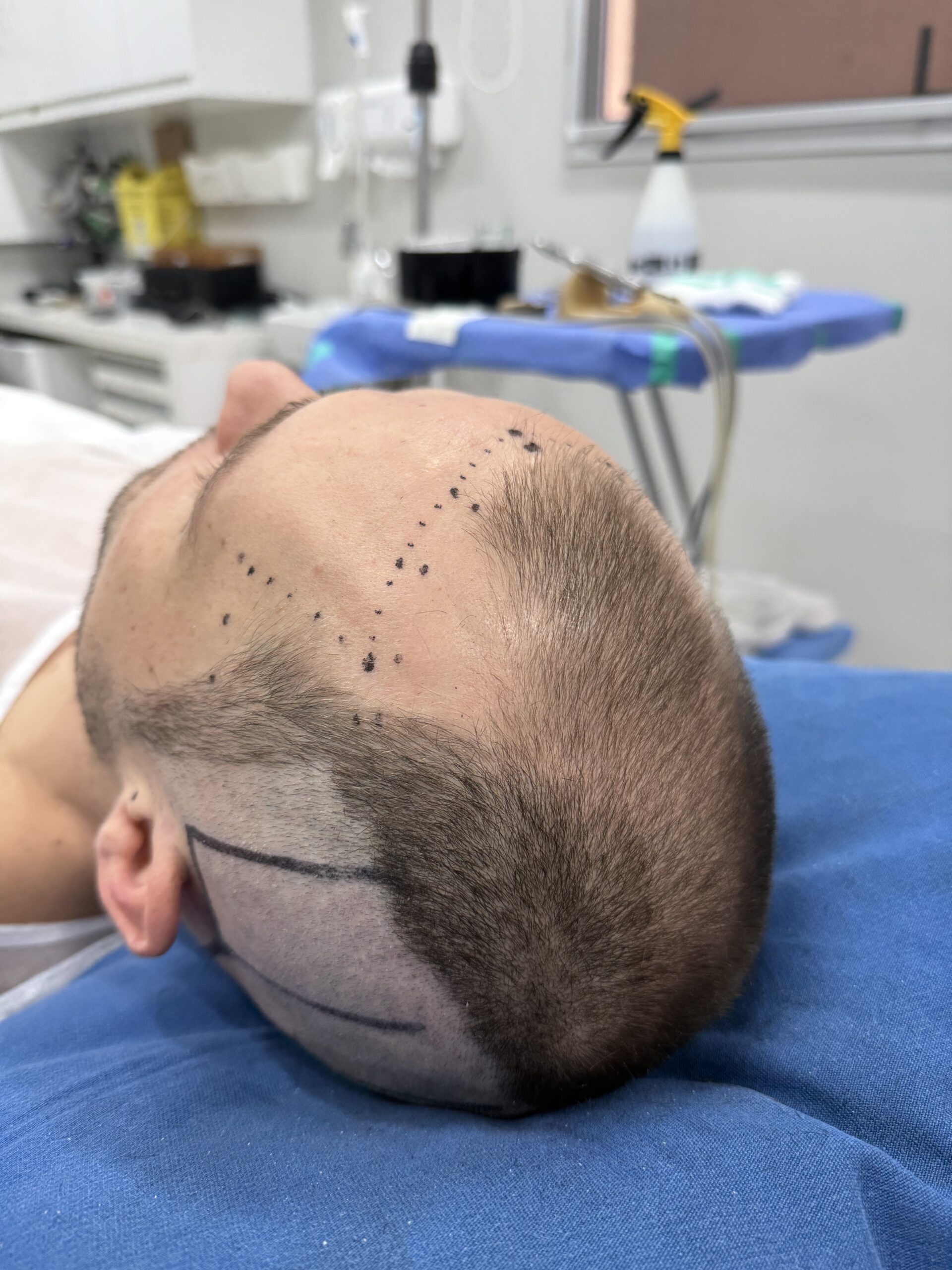
Repair surgery requires a different mindset
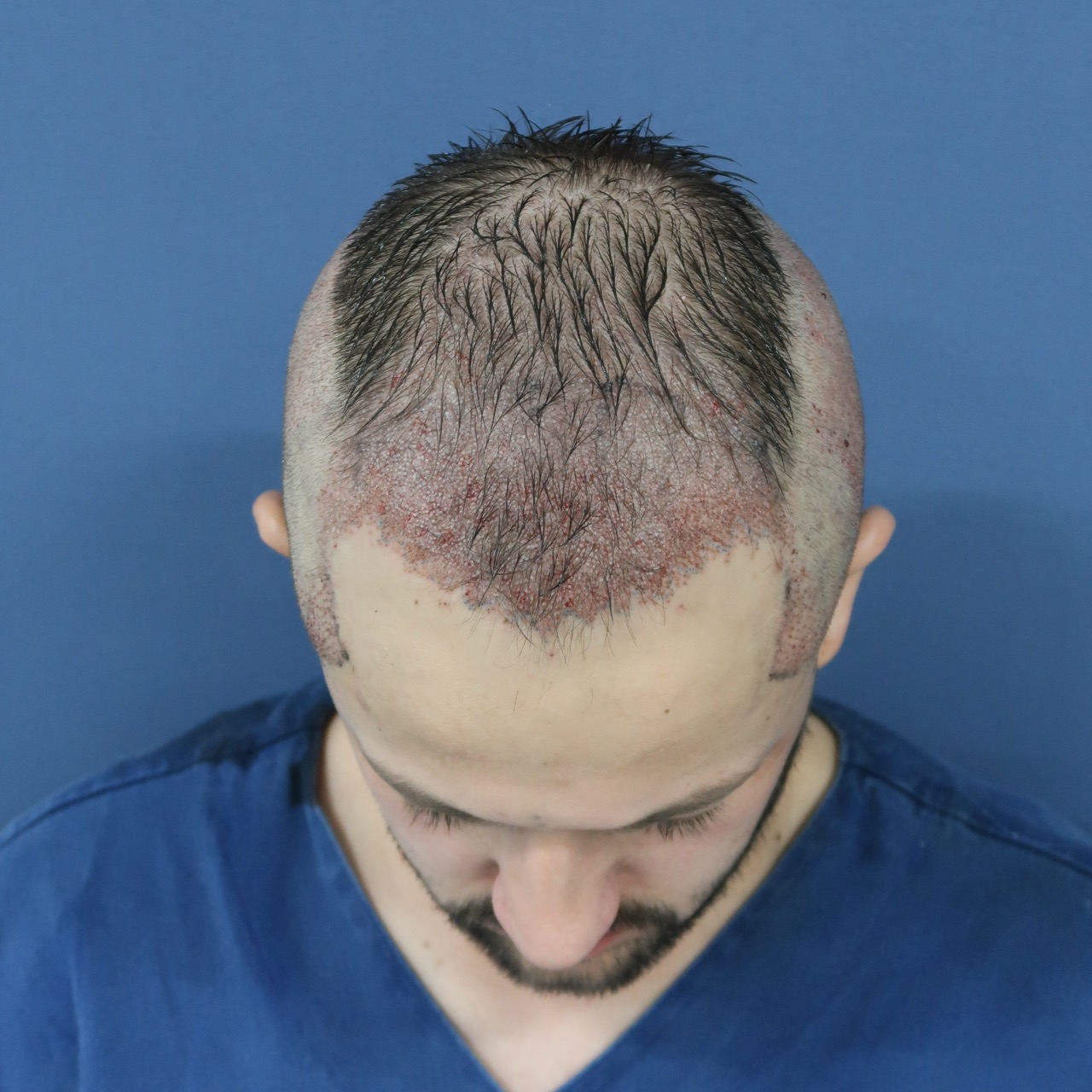
A repair hair transplant is not simply a second hair transplant. It is a corrective procedure performed in a scalp that may already have scars, unnatural angles, depleted donor areas, or poorly distributed grafts.
The goal is often to improve, camouflage, soften, or rebuild. In some cases, the previous result can be significantly corrected. In others, the possibilities are limited by the remaining donor supply.
Common reasons for repair
Common reasons for repair
- An unnatural hairline
- Low density after a previous procedure
- Grafts growing in the wrong direction
- Visible pluggy grafts
- Overharvested donor area
- Wide or visible scars
- Poor planning for future hair loss
- A result that does not match the patient's face
Each problem requires a different strategy. Some cases need additional density. Others need removal of misplaced grafts, camouflage, donor repair, or use of beard or body hair.
Why repair is more complex
Previous surgery changes the scalp. The tissue may be harder, less elastic, or more fibrotic. Blood supply may vary in scarred areas. Existing grafts may be placed at unnatural angles. The donor area may already have fewer available follicular units.
Because of this, repair cases require careful planning. The clinic must avoid creating a new problem while trying to correct the old one.
The donor area after a bad transplant
If the donor area was overused, the repair plan becomes more limited. The clinic may need to preserve what remains, distribute grafts carefully, or consider beard or body hair when appropriate.
Body hair can be useful in selected cases, but it is not the same as scalp hair. It has different texture, growth cycle, and visual behavior. It should be used strategically, not as a simple replacement for a depleted donor area.
Realistic expectations
The most important part of repair surgery is honesty. Some patients can achieve a major improvement. Others can only improve specific areas. A repair plan should explain what is possible, what is limited, and what should be avoided.
The patient should not be sold the same type of promise that created the problem in the first place.
Clínica Camara Lopes
Considering a repair procedure?
Get an honest evaluation of what can realistically be corrected, and a careful plan that protects the donor area you have left.