The donor area is limited
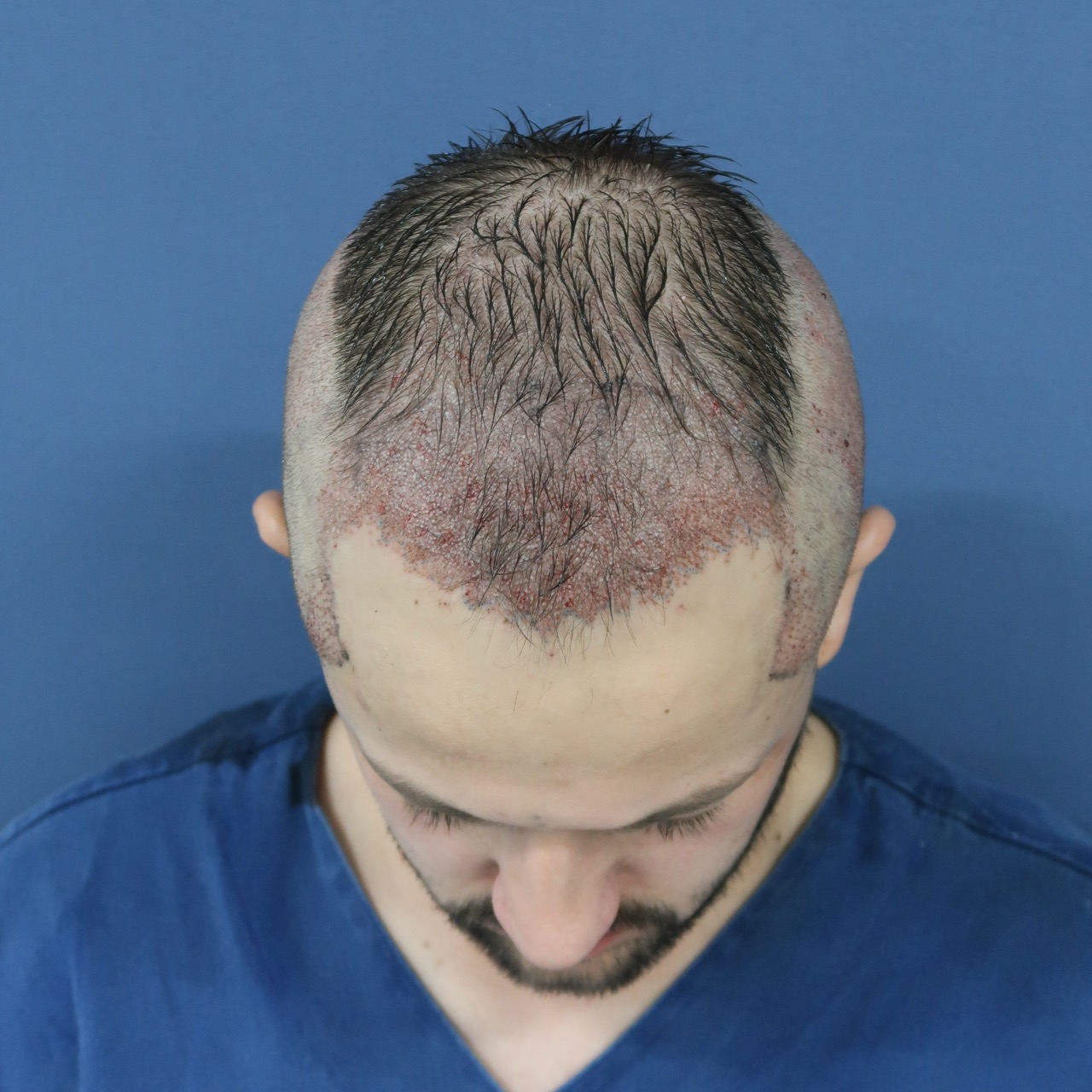
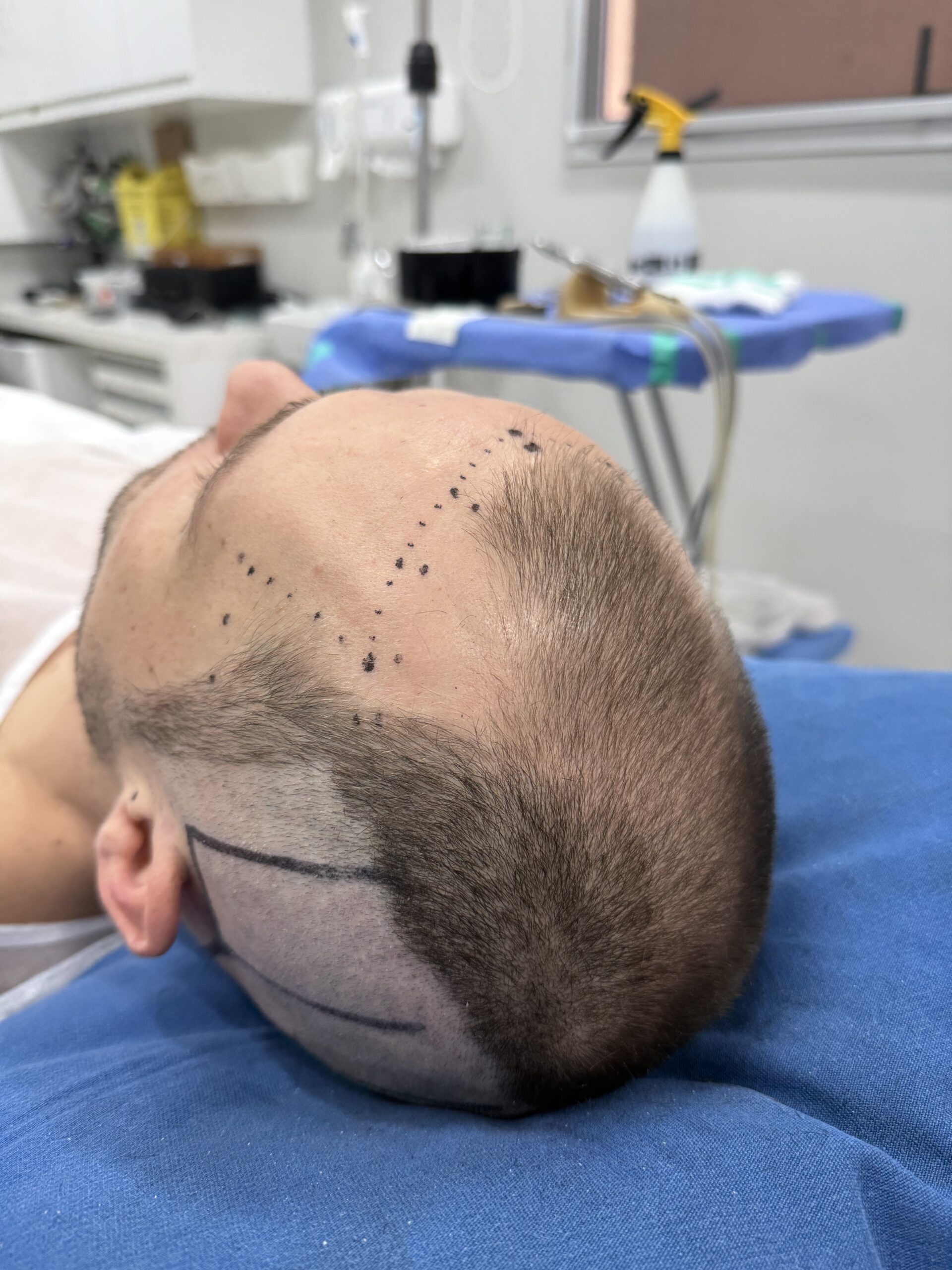
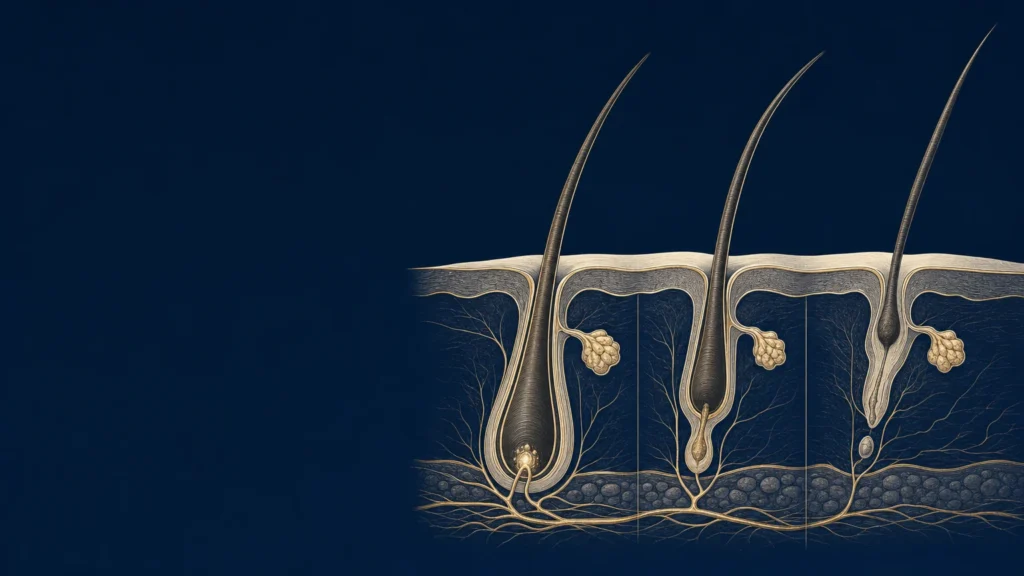
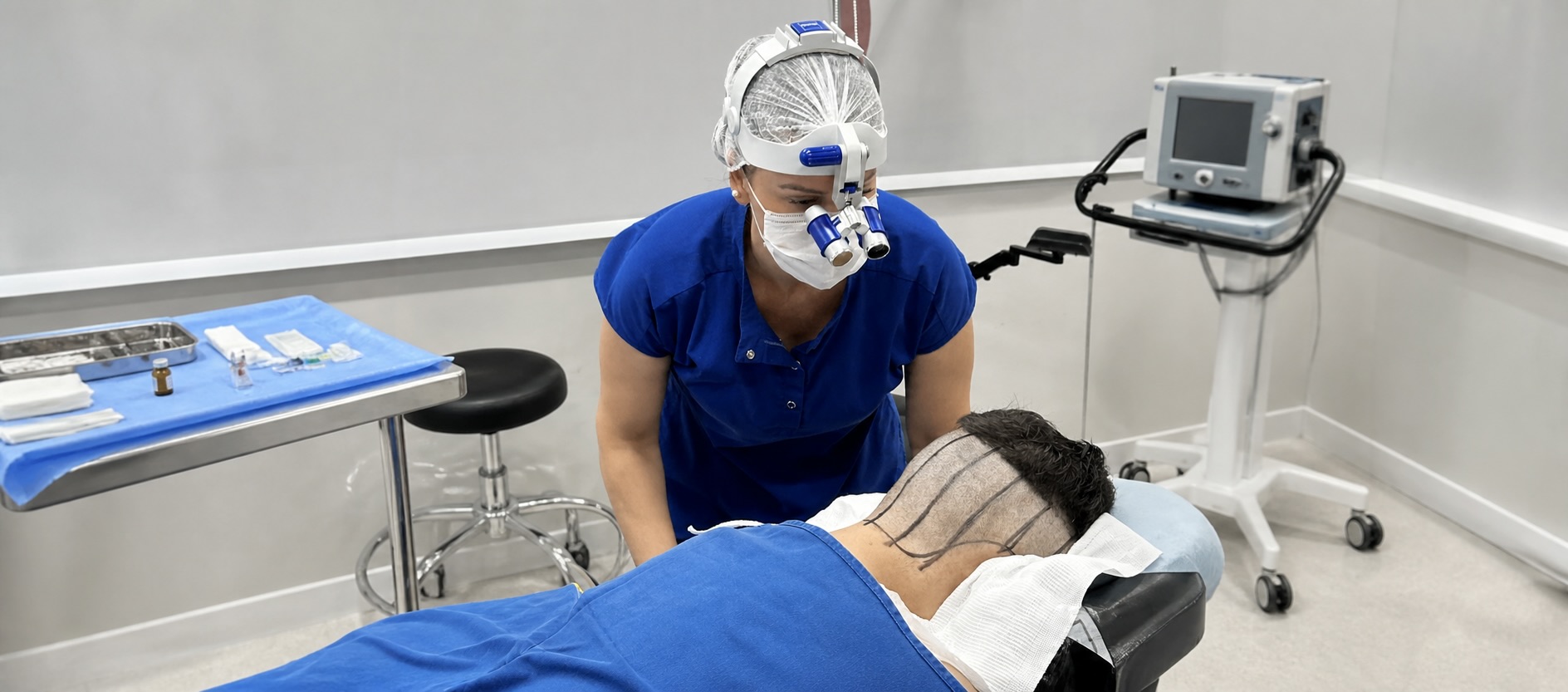
The donor area is the region from which hair follicles are removed for transplantation. In most patients, this is located at the back and sides of the scalp. These hairs are generally more resistant to genetic hair loss, which is why they are used to restore thinning or bald areas.
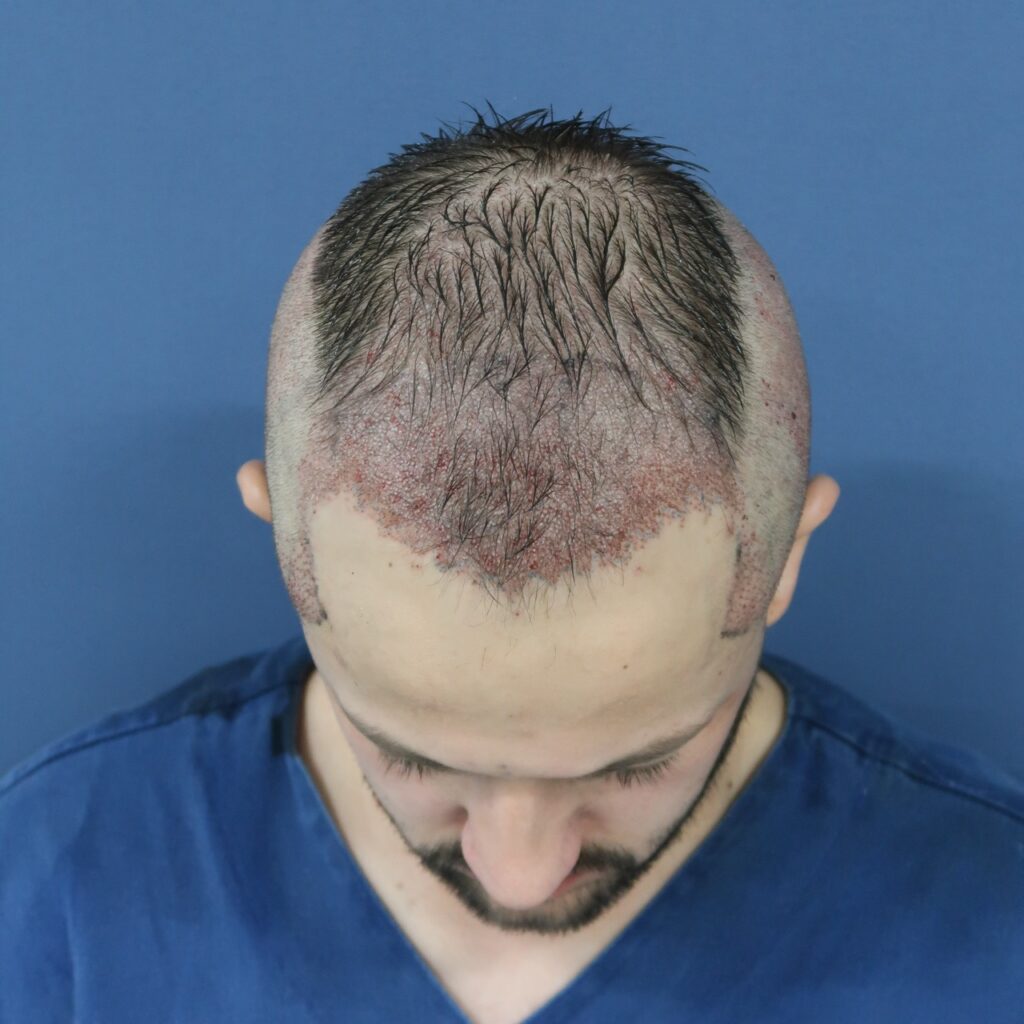
However, the donor area is not unlimited. It cannot provide infinite grafts. Every follicular unit removed from the donor area is permanently relocated. If the donor area is overused, the patient may develop visible thinning, patchiness, scarring, or a lack of reserve for future procedures.
Key principle
Donor preservation is one of the central principles of responsible hair transplantation. The design should follow biology, not the other way around.
A poor donor strategy can create a second problem
Many patients focus only on the front of the scalp because that is what they see in the mirror. But the back of the scalp also matters. A transplant that creates a better hairline but damages the donor area is not a complete success.
Overharvesting can make the donor zone look weak, uneven, or visibly depleted. This can be especially problematic for patients who like short haircuts. It can also make future repair work more difficult.
The goal is not only to move hair. The goal is to move hair in a way that respects the entire scalp.
Density depends on more than graft count
Two patients with the same number of grafts can have very different results. Hair caliber, curl, color contrast, donor density, skin tone, and the size of the recipient area all influence visual density. A patient with thick, wavy hair may achieve more coverage with fewer grafts than a patient with fine, straight hair.
This is why responsible planning cannot be reduced to a number. The medical team must evaluate how each graft can be used most effectively and where it will create the greatest visual impact.
Safe extraction requires experience
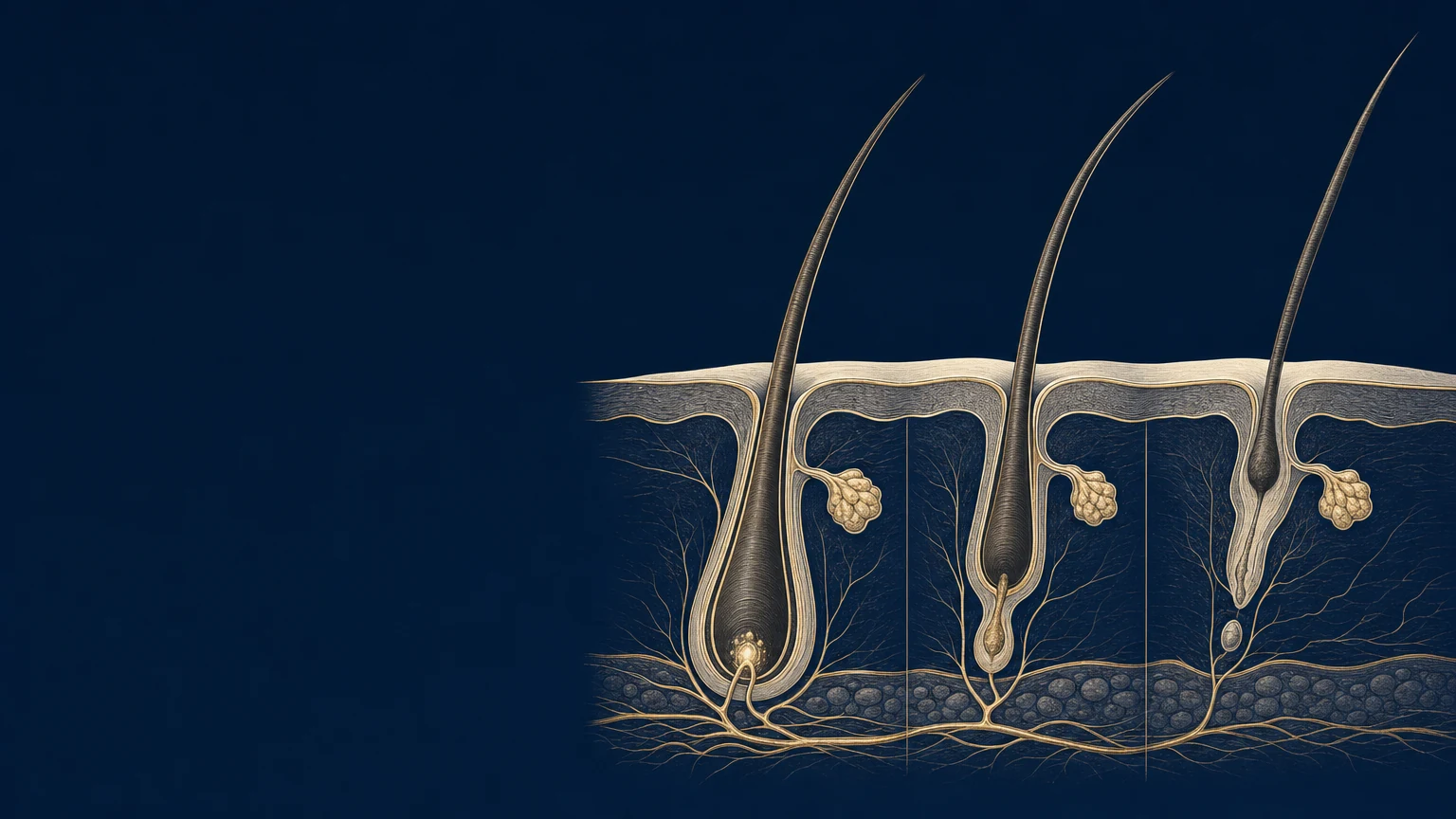
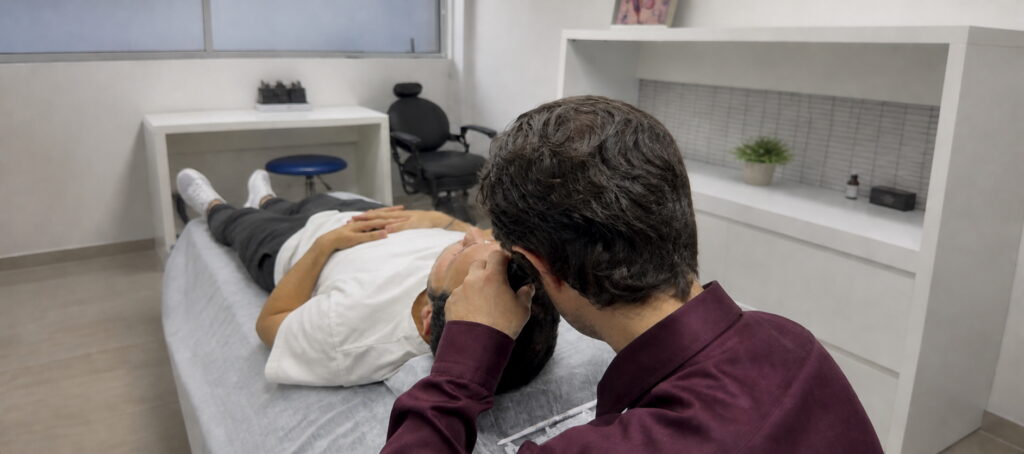
FUE extraction may look simple, but it is a surgical skill. The angle of the follicle under the skin is not always the same as the visible angle above the skin. If the punch is poorly aligned, follicles may be damaged. If extraction is too dense in one area, the donor may look moth-eaten.
Experienced extraction protects graft survival and donor appearance. It also keeps future options open. A good transplant should not use the donor area as if there will never be a second stage.
The donor area determines the long-term plan
A young patient with progressive hair loss must be planned differently from an older patient with stable loss. A patient with previous surgery must be evaluated differently from someone with a virgin donor area. A repair case may require scalp, beard, or body hair depending on what remains available.
The donor area tells the clinic what is possible. The design should follow biology, not the other way around.
Clínica Camara Lopes
Not sure if your donor area is strong enough?
Get an honest evaluation of your donor supply and a plan designed to protect it, so your result still looks natural years from now.