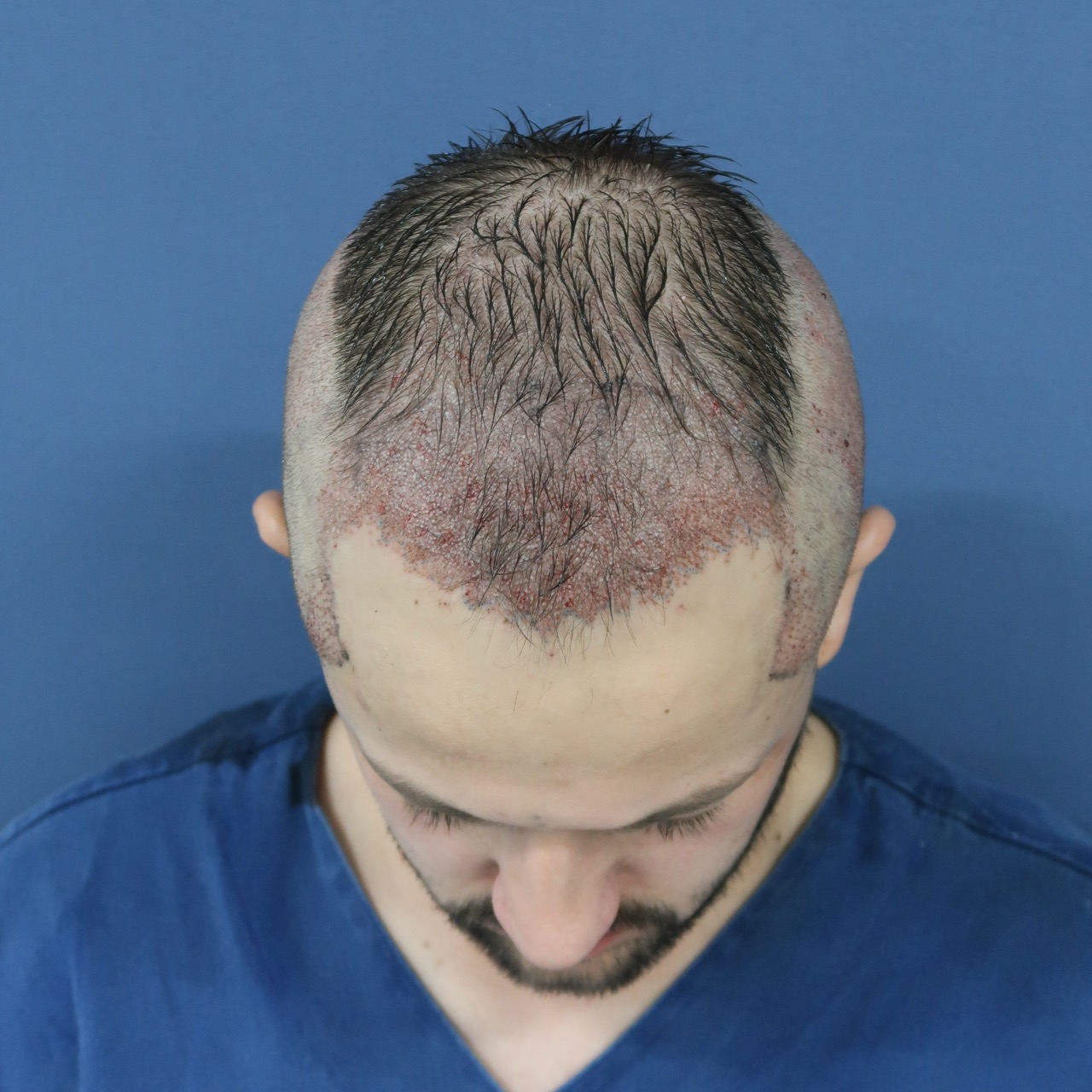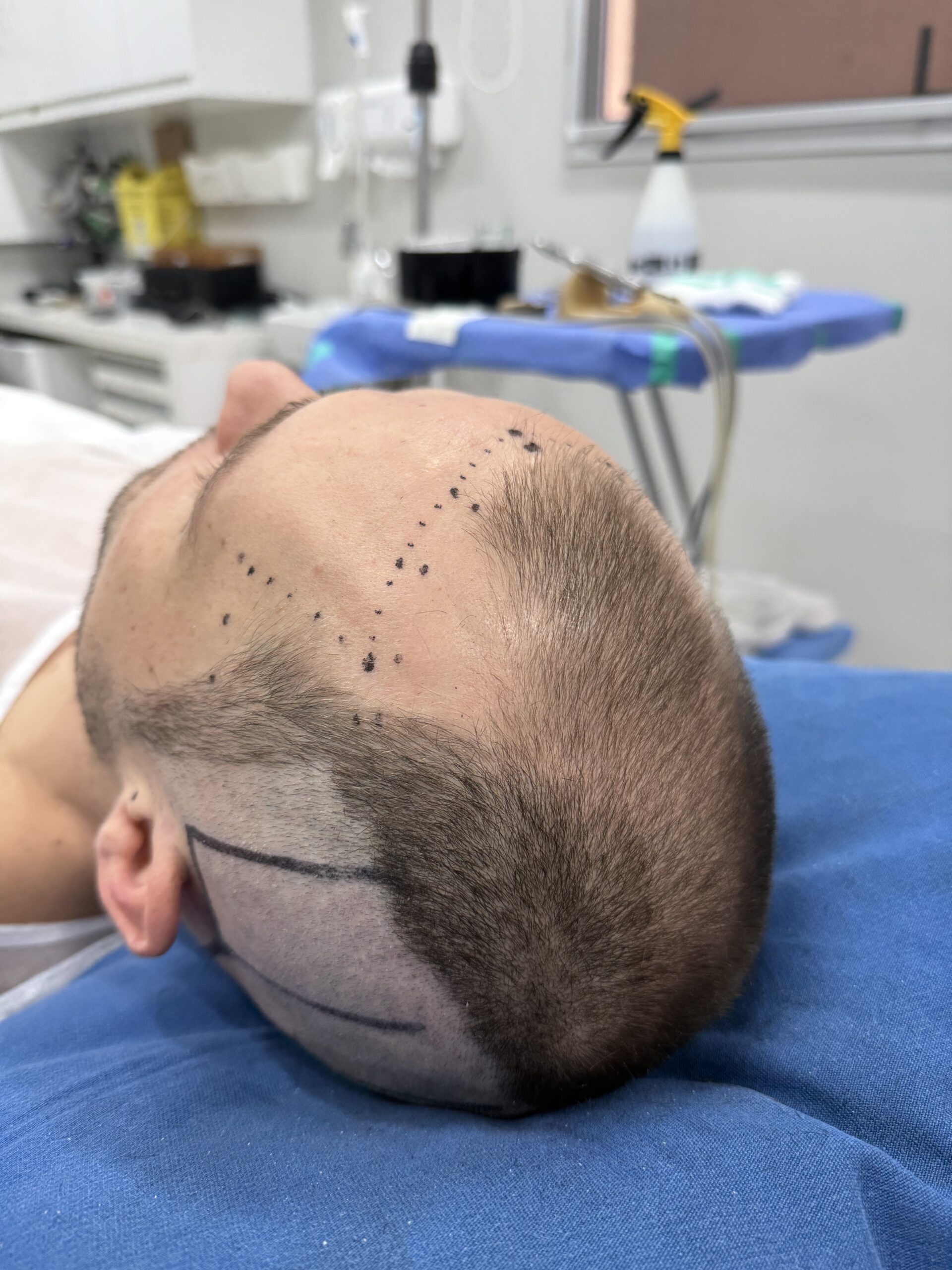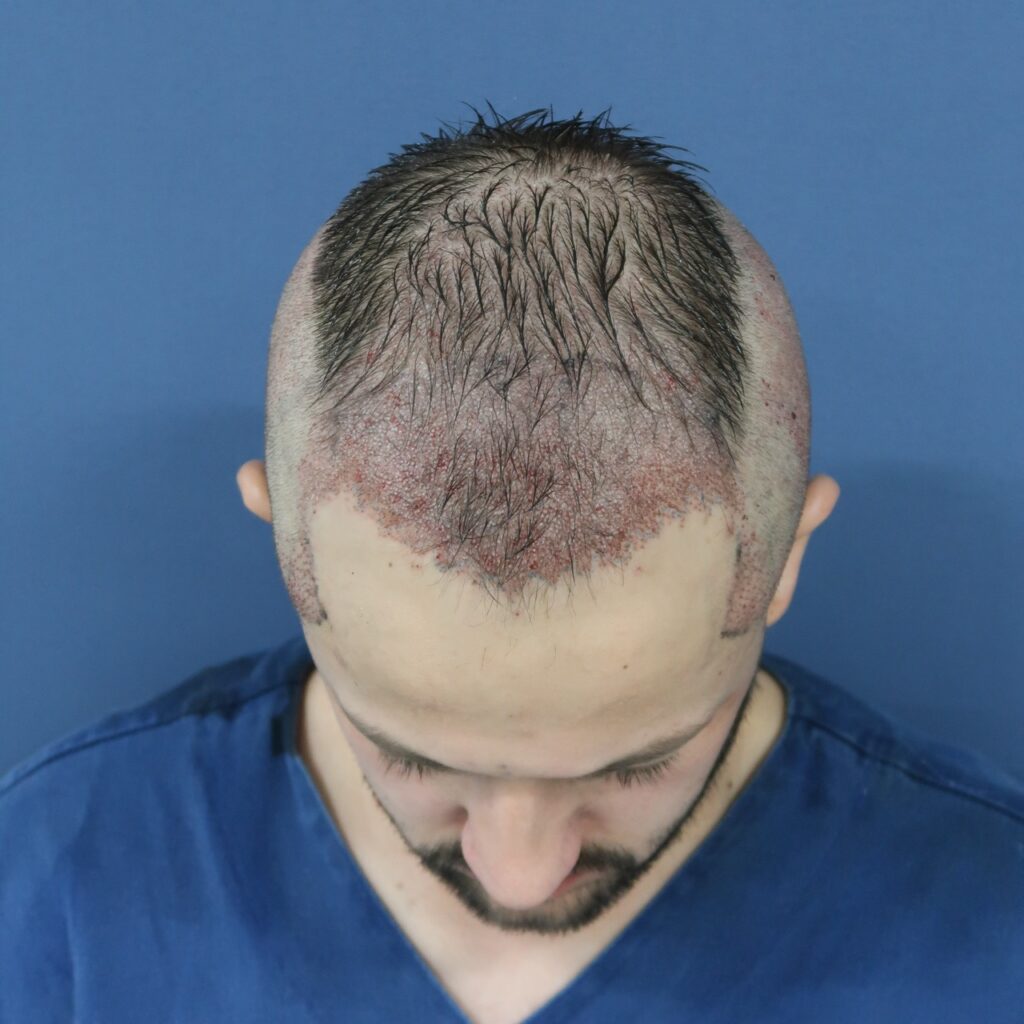
A beautiful result is not enough information
Most patients begin their research by looking at before-and-after photos. This is natural. Hair transplantation is visual, and the final appearance matters. But photos alone do not explain how the surgery was performed, who performed it, how the donor area was managed, or whether the same standard will be applied to the next patient.
A clinic can show attractive results and still operate with a structure that is not ideal for every patient. Some results may come from selected cases with strong donor areas, favorable hair characteristics, or patients who were easy to treat. Other patients may require more complex planning, repair work, body hair, or a conservative strategy.
The real question is not only whether the clinic can show good results. The real question is whether the clinic has a reliable system for evaluating, planning, performing, and following each case responsibly.
Who will actually perform the procedure?
This is one of the most important questions in hair transplantation. Many patients assume that the doctor they see in advertising will perform the surgery. In some clinics, this may not be the case. The doctor may only design the hairline, supervise briefly, or appear during part of the procedure while other team members perform the most delicate stages.
The extraction of follicular units, the creation of recipient sites, and the implantation strategy all influence the final result. These steps require judgment, experience, and consistency. When they are delegated without enough medical control, the patient may not know who is responsible for the outcome.
The Clínica Camara Lopes difference
At Clínica Camara Lopes, the procedure is planned and performed with direct medical responsibility. The patient is not buying a package. The patient is trusting a medical team with a limited donor area and a result that will be visible for years.
Do not choose only by graft number
Large graft numbers can sound impressive, but they can also be misleading. A safe plan is not always the plan with the highest number. The donor area has limits, and using too many grafts in one procedure can create long-term problems.
A responsible clinic evaluates how many grafts can be safely removed, where they should be placed, what density is realistic, and how future hair loss may progress. If a clinic promises a high number before properly evaluating the donor area, the patient should be cautious.
The right number of grafts is the number that serves the plan without damaging future options.
Look for limits, not only promises
A serious clinic should be able to explain limitations. Not every patient can receive high density everywhere. Not every crown can be fully restored in one surgery. Not every low hairline is a good idea. Not every patient is a candidate for immediate surgery.
When a clinic explains limitations clearly, it is often a sign of responsibility. Hair transplantation is not about saying yes to every request. It is about choosing a plan that can age well and protect the donor area.
What a patient should ask before deciding
- Who performs the extraction?
- Who creates the recipient sites?
- How many patients are treated by the team on the same day?
- Is the team fixed or rotating?
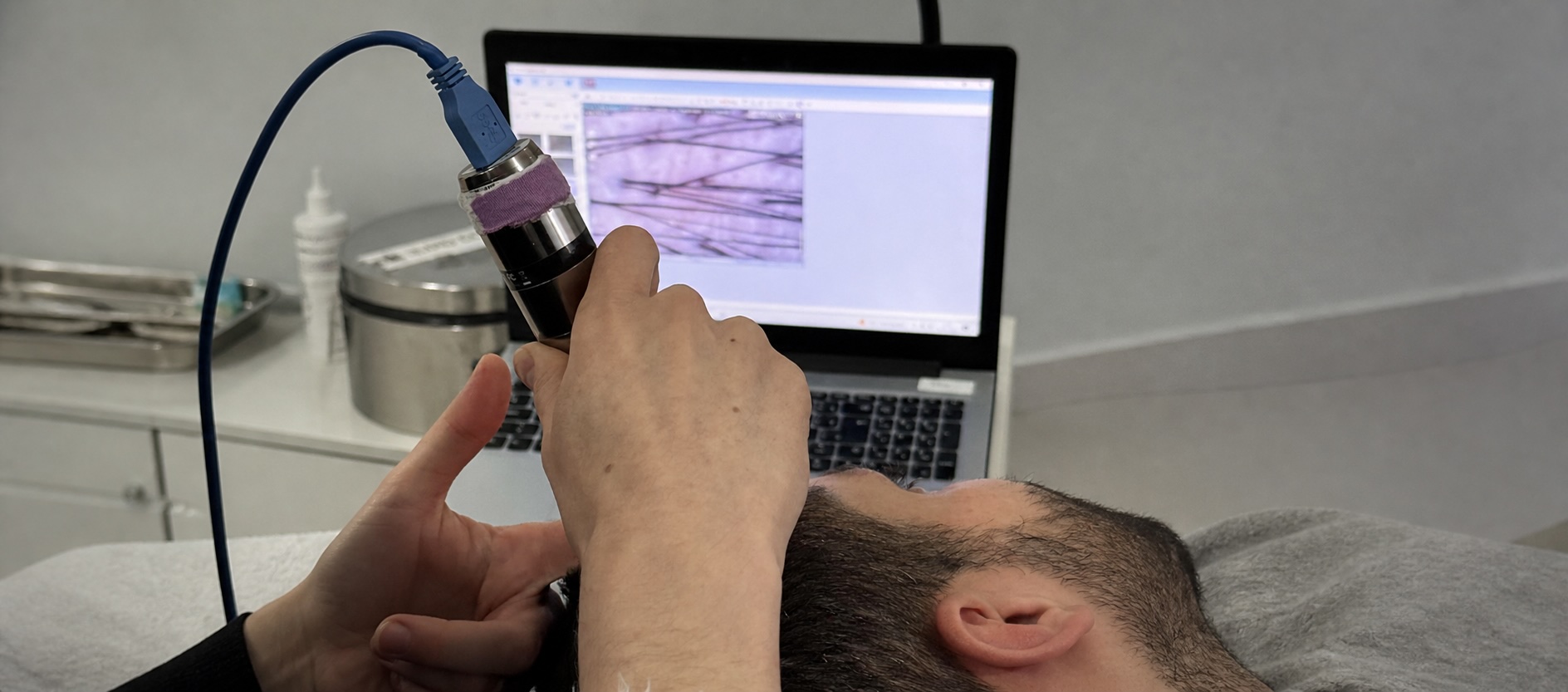
- How is the donor area evaluated?
- What happens if the donor area is not strong enough?
- Can the clinic explain why the recommended graft number is safe?
- Will the plan still look natural as hair loss progresses?
A good clinic should answer these questions clearly. If the answers are vague, the patient should slow down before committing.
Clínica Camara Lopes
Thinking about a hair transplant?
Get an honest, personalized assessment of your donor area and a plan built around long-term results, not marketing promises.