Density is visual, not only numerical
Patients often compare hair transplant results by graft number. One case may show 3,000 grafts, another 4,500, and another 5,500. It is easy to assume that more grafts always means a better result. In reality, density is more complex.
Visual density depends on hair thickness, curl, color contrast, scalp color, recipient area size, placement strategy, and the way the hair is styled. A patient with thick, dark, wavy hair may look denser with fewer grafts than a patient with fine, straight hair.
The number matters, but it is not the whole answer.
Coverage and density are different goals
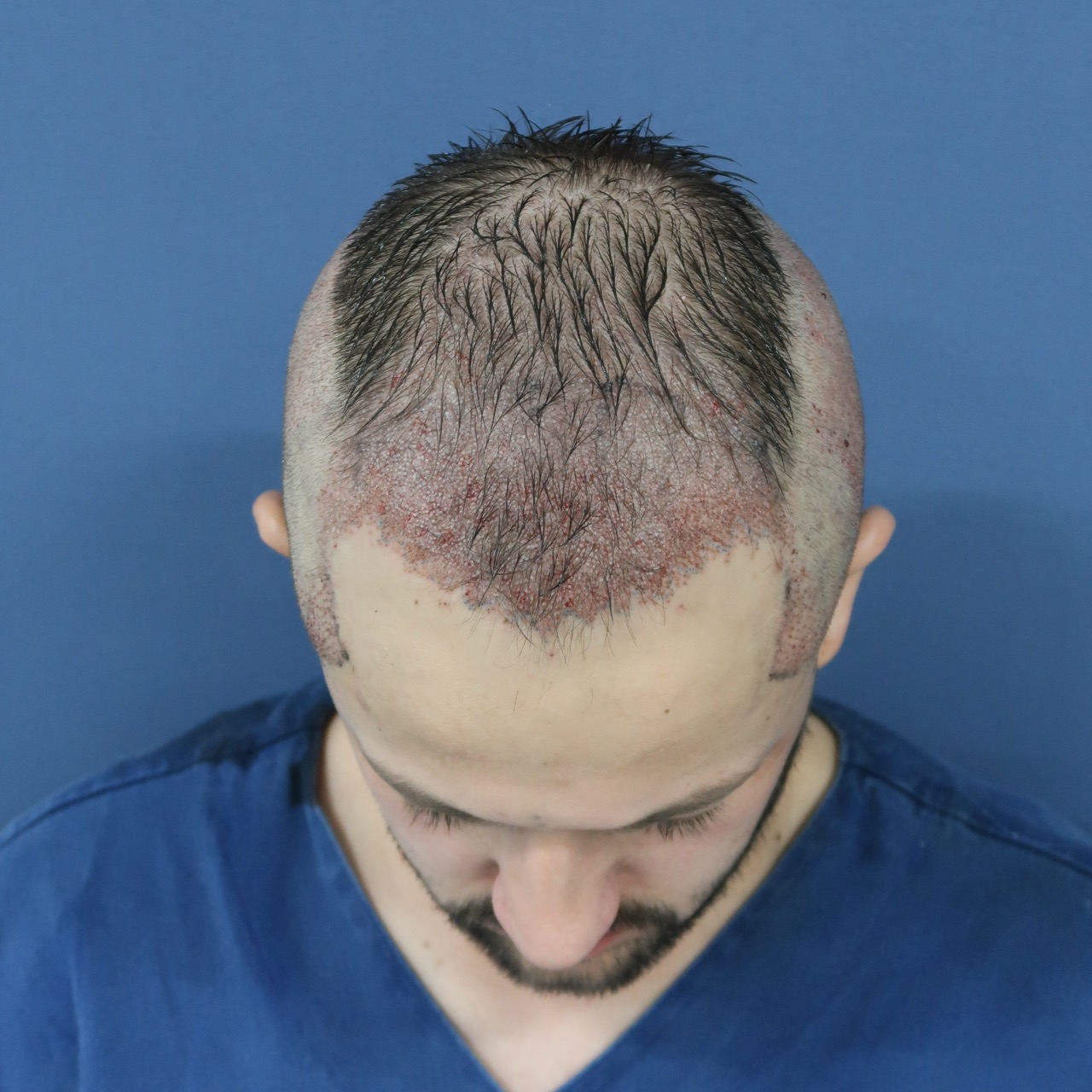
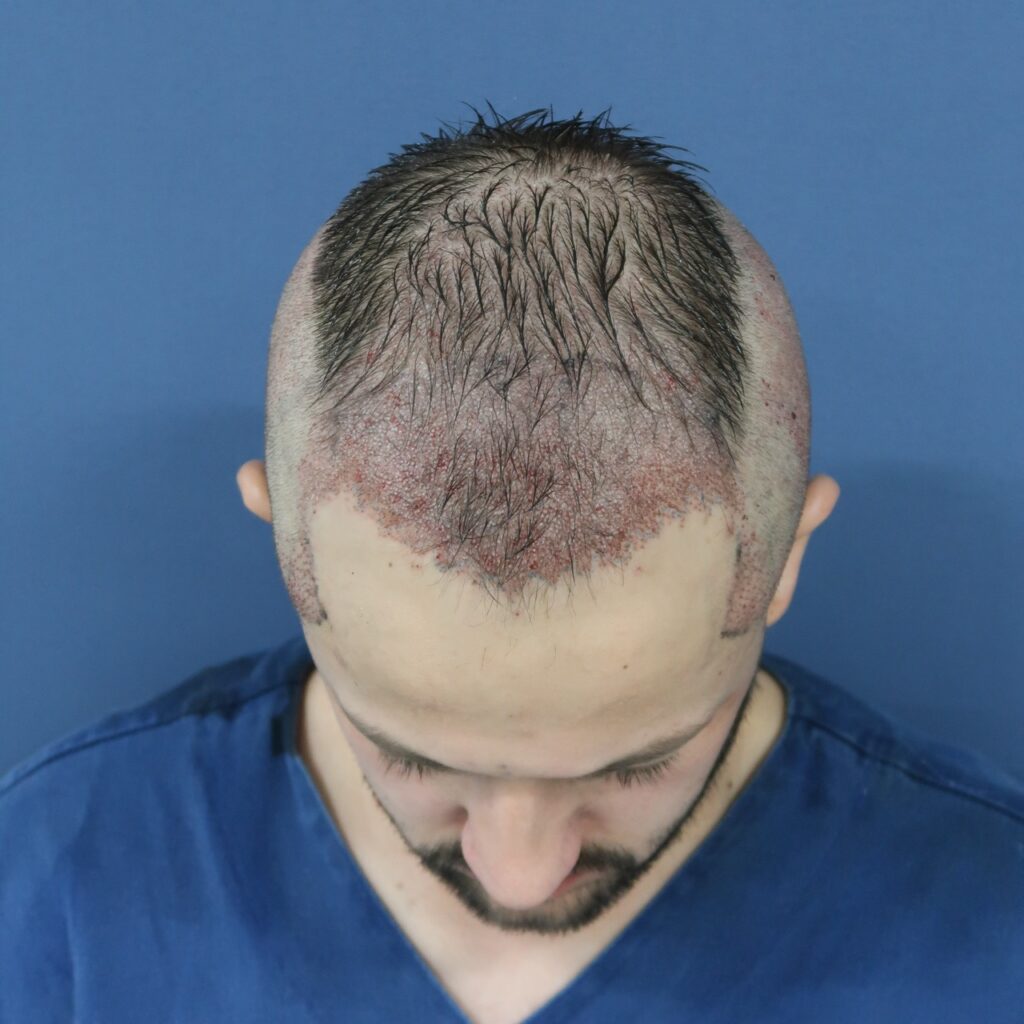
Coverage means placing hair over a larger area. Density means creating a stronger visual concentration in a specific area. If the bald area is large and the donor area is limited, the clinic must decide where grafts will create the greatest improvement.
Trying to cover everything with high density may not be possible. A responsible plan often prioritizes the frontal area and mid-scalp because these zones create the strongest visual change. The crown may need a more conservative approach or a second stage.
Dense packing must be used carefully
Dense packing can create excellent results when used in the right patient and the right area. But placing grafts too close together can compromise blood supply, reduce growth, or waste grafts that could be used elsewhere.
The decision to use higher density must be based on scalp condition, graft quality, donor capacity, and the size of the area. It should not be used simply to make the surgical plan sound more impressive.
Hairline density is not the same as crown density
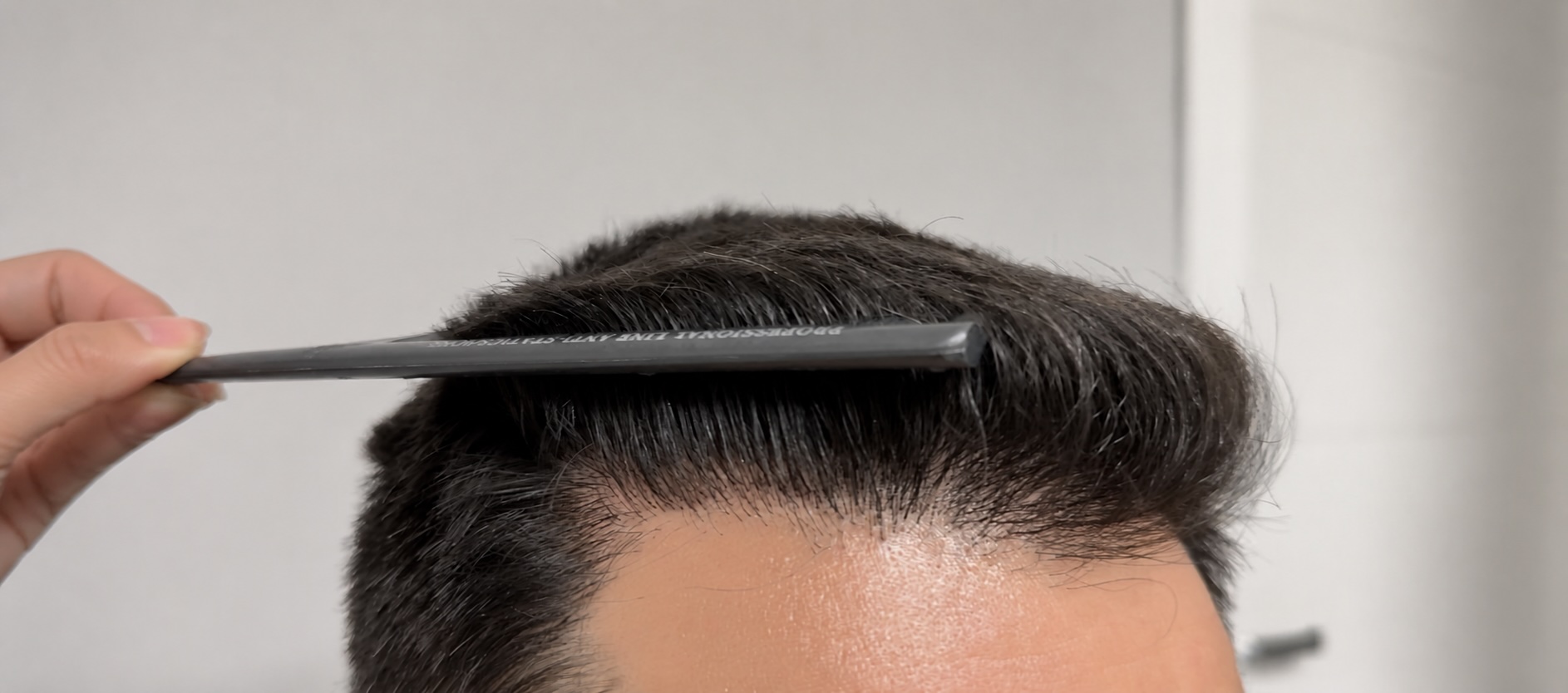
The frontal hairline requires softness and natural irregularity. It should not look like a straight dense wall of hair. The crown has a different growth pattern and can require many grafts because of the spiral direction of hair growth.
Key principle
A good plan recognizes that different areas need different densities, angles, and priorities.
The best density is the safest density that looks natural
The goal is not to place the maximum possible number of grafts. The goal is to use the donor area intelligently and create a result that looks natural under real-life conditions.
Good density planning is a balance between ambition and preservation.
Clínica Camara Lopes
Want a density plan built for your scalp?
Get a realistic assessment of what density is achievable for your hair type and donor area, with a plan that still looks natural up close.