Medically reviewed by Dr. Sergio Camara Lopes (plastic surgeon) and Dra. Alessandra Bernardi Camara Lopes (dermatologist), September 2026.
In this article
- What “baldness” means in medicine
- Types of baldness in men and women
- Stages of hair loss: the Norwood scale
- Stages in women: the Ludwig scale
- Is baldness curable?
- Treatment options and their evidence
- Which option fits which stage
- When a hair transplant makes sense
- How we assess this at Camara Lopes Clinic
- Frequently asked questions
- Sources
Is baldness curable? For the most common form, pattern hair loss, the answer is no: there is no treatment that switches it off for good [2][3]. It can be treated, though, and the options are best discussed early. Medication can slow the process and support regrowth in some people while it is used, procedures such as PRP and low-level laser have shown effects in trials, and a hair transplant can rebuild a hairline or crown once the pattern is predictable [2][4][6][7]. What works for you depends on one thing above all: the stage you are at, and how it is likely to develop. The earlier the assessment, the more hair there is to keep.
Not sure which stage you are at, or whether treatment or a transplant is the right next step? A medical assessment answers both questions; you can request one online or on WhatsApp.
What “baldness” means in medicine
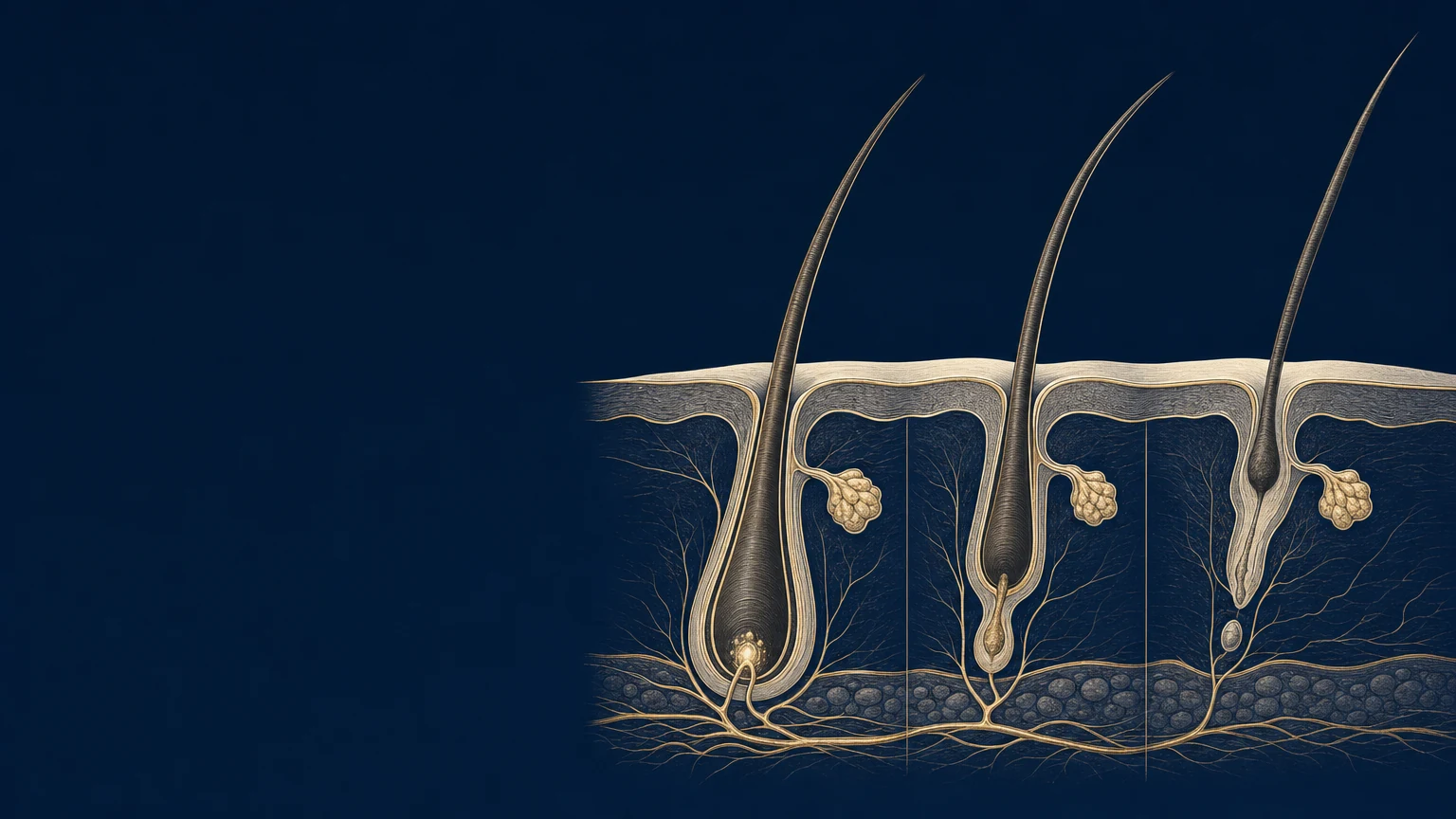
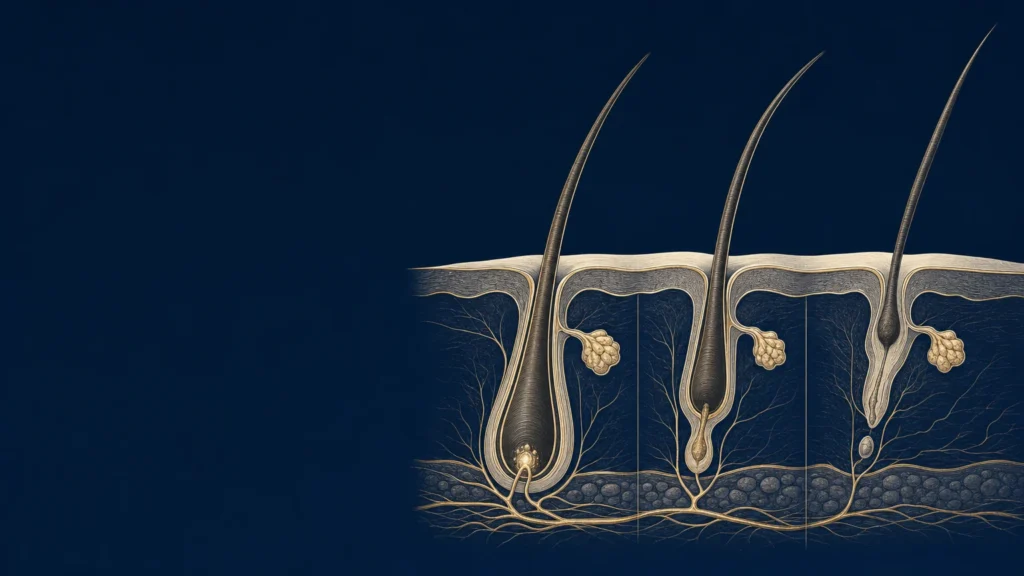
When people say baldness they almost always mean androgenetic alopecia, also called pattern hair loss. It is a gradual, inherited process in which hair follicles on the top of the scalp become sensitive to androgen hormones and shrink over years. In a process called miniaturisation, each new hair grows thinner and lighter than the last, until the follicle shrinks completely and stops producing hair [2]. It tends to progress slowly, over several years to decades [2][3]. The follicles at the back and sides of the head are largely spared. A band of hair usually remains there even in advanced stages, and that band is the donor area for a transplant [9].
Pattern hair loss is common, and its frequency increases with age [1]. Men can become aware of a receding hairline at any time after puberty; it can affect men of any age [2].
Baldness is not the only reason hair thins. Diffuse shedding after an illness or childbirth, patchy immune-related loss, tension from tight hairstyles and scarring diseases all look different and are treated differently. If you are not yet sure that a pattern is what you are seeing, start with our guide to the causes and types of hair loss. This article assumes the diagnosis is pattern hair loss and explains what can be done about it.
Types of baldness in men and women
In men
Male pattern hair loss follows a small number of recognisable routes. The most familiar is a receding hairline: the temples move back first, leaving an M-shaped front. The second is thinning at the crown, the vertex, which often starts as a small patch that the person only notices in photographs or a second mirror. Many men have both at once, and over the years the two areas can grow towards each other until only the horseshoe of hair at the sides and back remains [2][10]. A less common route is diffuse thinning across the whole top of the scalp while the hairline stays in place.
In women
Women rarely lose the frontal hairline first. Female pattern hair loss usually reduces density over the central scalp while the front line is largely preserved [3][10][11]. The first sign is often a parting that keeps getting wider, or a ponytail that feels thinner than it used to. Because the loss is spread out rather than concentrated in a bald patch, it is frequently dismissed for years. Female pattern hair loss on its own does not prove a hormonal disorder; a multidisciplinary committee appointed by the Androgen Excess and PCOS Society concluded that isolated female pattern hair loss does not establish androgen excess [11]. Whether hormone tests are needed is decided in the consultation.
Why the type matters
The type tells the doctor which scale to use for the stage, and the stage narrows the options. A receding hairline in a 25-year-old and a thinning crown in a 45-year-old may both be pattern hair loss, but the advice about medication, planning and surgery is different.
Stages of hair loss: the Norwood scale
The Norwood scale, formally the Hamilton-Norwood classification, is a seven-stage system for describing how far male pattern hair loss has progressed, from an intact hairline (stage I) to a narrow band of hair at the sides and back (stage VII). It describes the distribution and extent of thinning; it is the classification dermatologists and hair surgeons use to record where a man is in the process [8][10].
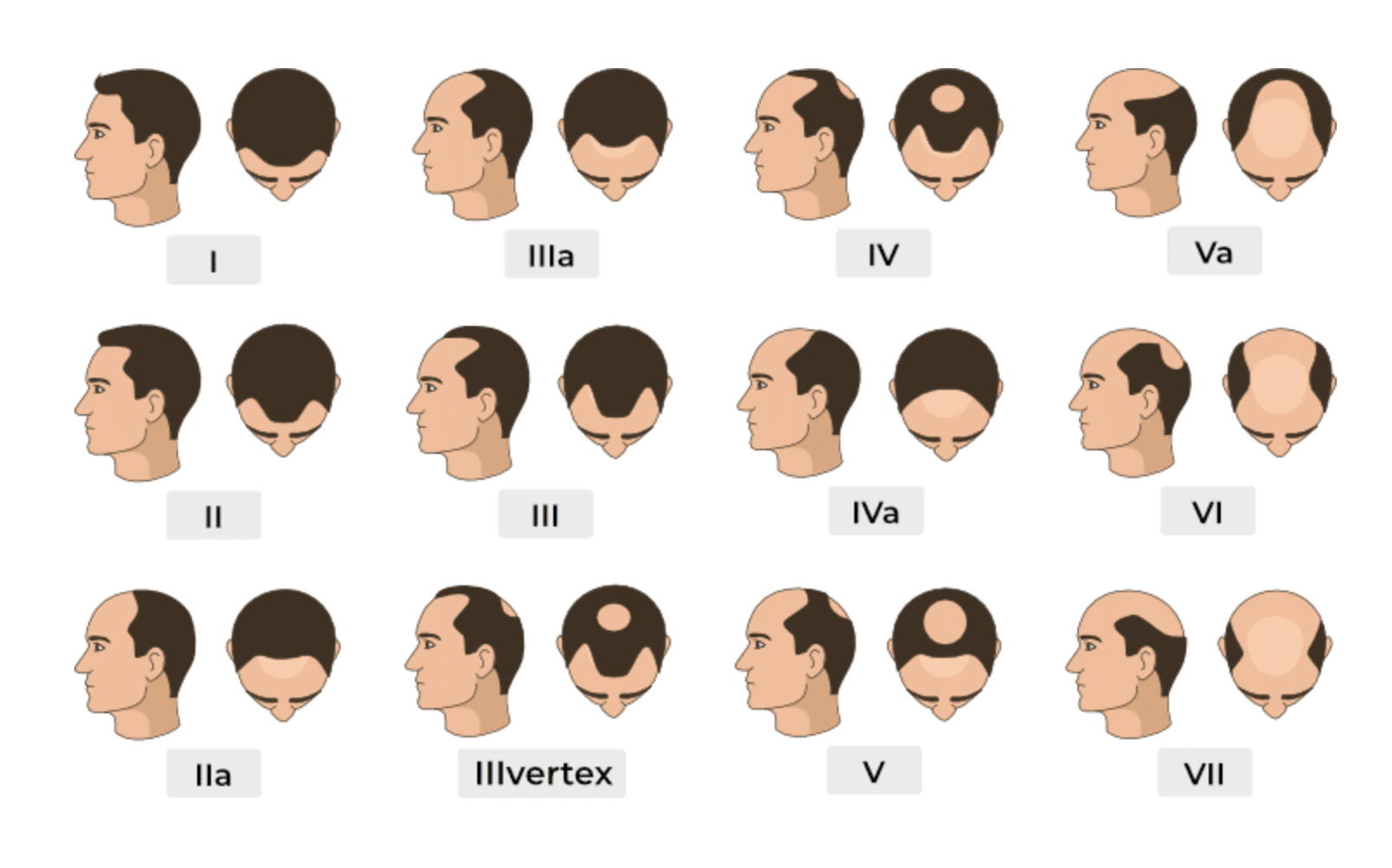
The table below describes each stage and what is usually discussed at that point. The stage does not decide the treatment by itself: no study assigns a treatment from the stage alone. Age, how the pattern is likely to develop, family history, general health and the density of the donor area all count, and only an examination puts them together [7][9].
| Stage | What it looks like | What is usually discussed at this stage |
|---|---|---|
| I | Adolescent or juvenile hairline, no visible recession | Observation, unless a strong family history and early thinning suggest an early assessment |
| II | Slight, symmetrical recession at the temples; the frontal hairline moves back a little | Assessment to confirm the diagnosis; whether medical treatment makes sense to protect what is there |
| III | Deep temple recession forming an M, or (III vertex) early thinning at the crown | Medical treatment is commonly discussed at this stage; a transplant of the hairline can be discussed once the pattern is predictable |
| IV | Marked frontal recession plus a clear bald area at the crown, still separated by a band of hair | Medication to protect the remaining hair, and whether a transplant is realistic for the front, the crown or both |
| V | The band between front and crown narrows; the two bald areas start to join | Transplant planning has to prioritise: the hairline and mid-scalp usually come first, the crown second |
| VI | Front and crown have merged; only the sides and back keep dense hair | A transplant can still frame the face, but coverage depends on donor supply; expectations need to be discussed candidly |
| VII | Only a narrow horseshoe of hair remains at the sides and back | Limited donor hair; a transplant may be possible with careful priorities, and scalp micropigmentation is an alternative |
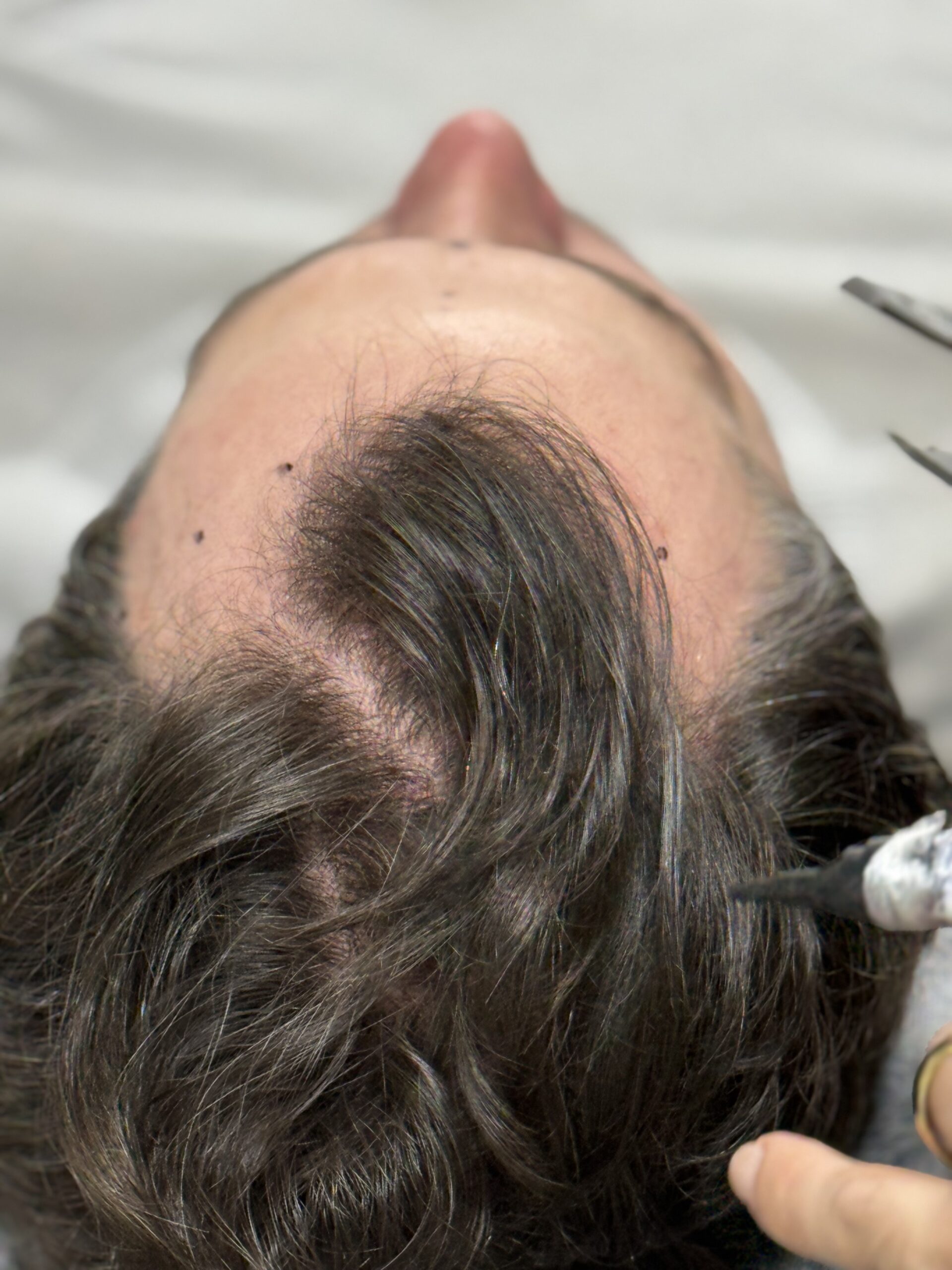
The scale leaves out two things. It does not predict speed: some men sit at stage III for twenty years, others reach stage V in five. And it does not say whether the loss is still active. Both matter more than the number when the question is surgery.
Not sure where you sit on this scale? The stage, and what it means for treatment, is determined at a medical assessment. Request one online or on WhatsApp.
Stages in women: the Ludwig scale
The Ludwig scale is a three-grade classification of female pattern hair loss that describes how much density has been lost over the central scalp while the frontal hairline stays in place. It emphasises the diffuse nature of much female pattern hair loss, which is why it grades how much scalp shows along the parting rather than how far a hairline has moved [10].
| Ludwig grade | What it looks like | What is usually discussed at this stage |
|---|---|---|
| I | Slight thinning of the crown, noticeable as a wider parting; the front line is intact | Confirm the diagnosis and rule out other causes of diffuse thinning; whether medical treatment should start early |
| II | Clear thinning over the whole crown; scalp visible through the hair along the parting | Medical treatment; a transplant can be discussed for the central scalp if the loss has stabilised and the donor area at the back is dense |
| III | Marked thinning with near-complete loss over the crown, front line still present | Treatment to protect the remaining hair; whether a transplant can add density in the most visible zone, within the limits of donor supply |
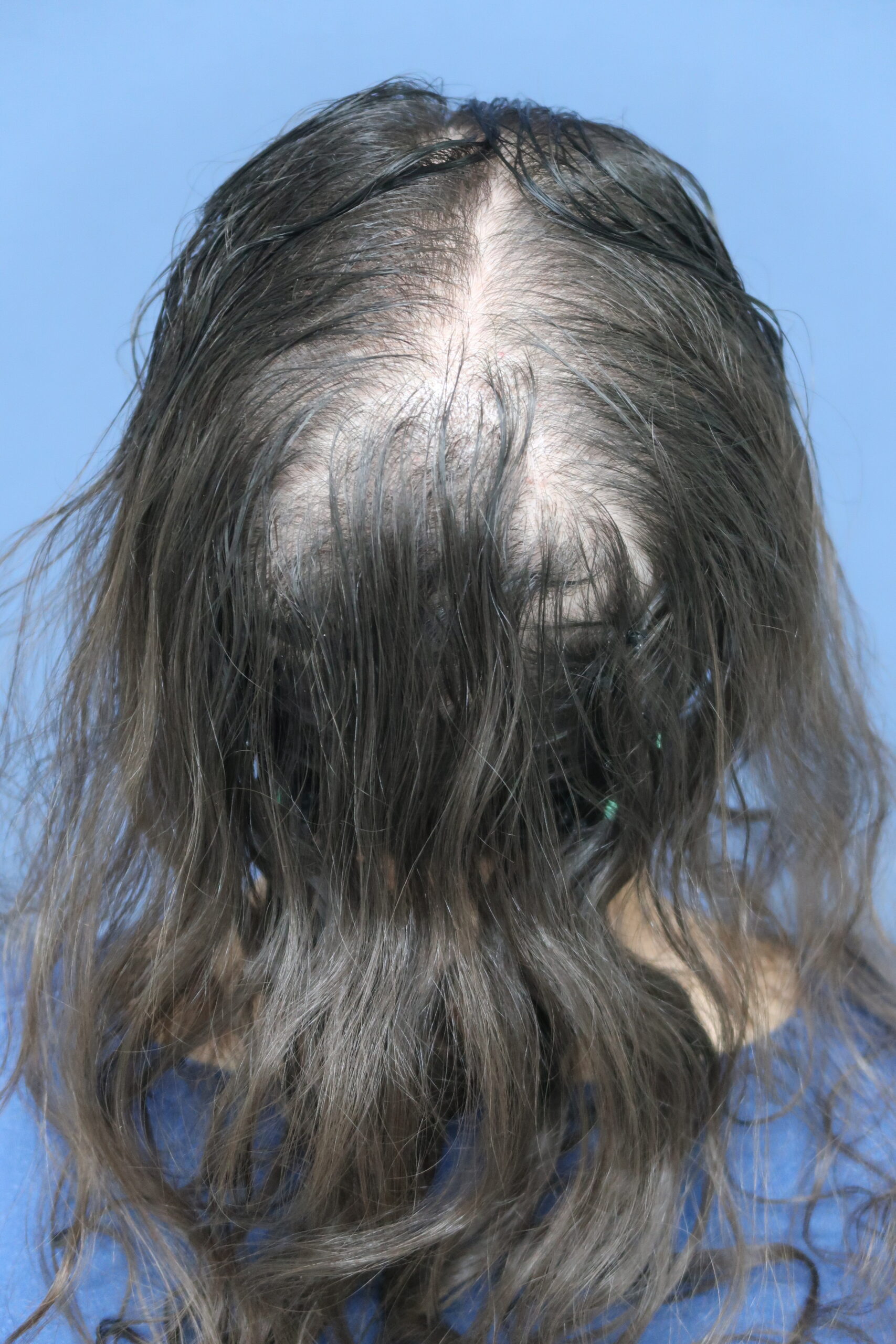
For women, the label alone is not enough. Surgeons look for a predictable pattern of thinning rather than widespread, rapidly progressive loss, and for healthy donor hair, because diffuse thinning can also affect the areas that would normally supply the grafts [7]. Women who cannot tell whether their thinning is a pattern or a shedding phase should read the section on shedding in our causes guide first. The two are treated differently, and a transplant is not an answer to shedding.
Is baldness curable?
No. There is presently no cure for male or female pattern hair loss [2][3]. It is a lifelong tendency written into the follicles, and treatments that help do so by counteracting the process, with a benefit that may require continued use, or by moving hair that is less affected by the process into the area that has lost it [2][9].
Three outcomes are still realistic:
- Slowing progression. Medication can help slow the process and keep more of the hair you have [2][3]. This is the most reliable outcome and the reason early treatment is worth discussing.
- Partial regrowth. Some people regain visible density in areas that were thinning, especially where the follicles have shrunk but have not stopped producing hair [2][3]. The response varies from person to person and cannot be promised in advance.
- Rebuilding lost areas. A hair transplant moves follicles from the donor area to the hairline or crown. How much can be achieved depends above all on the amount of donor hair available [9].
A one-time fix is not realistic. The benefit of topical and oral treatments may require continued use [2]. A transplant does not stop the surrounding, untreated hair from continuing to thin; whether medical treatment continues after surgery is part of the individual plan.
If you read about a “cure” in the news, check whether it refers to laboratory or early-stage research rather than a treatment you can currently be offered.
Treatment options and their evidence
The list below covers treatment options and what the evidence says about each one. Every item needs a diagnosis first, and the medical options are started and followed up with a doctor. We do not give doses here; that is a decision for your doctor.
Medication
Two groups of medication have the most consistent evidence in pattern hair loss. Topical minoxidil, applied to the scalp, may slow the progression of hair loss and stimulate growth in men, and may slow progression and partially restore hair in some women [2][3]. Finasteride tablets reduce the level of dihydrotestosterone, the hormone that drives the process, and may slow hair loss and possibly help regrowth in men [2]. The European S3 guideline of 2017 graded both, topical minoxidil for men and women and oral finasteride for men, at its highest level of evidence; note that the guideline’s stated validity ended in 2020, so we cite it as a historical synthesis and rely on current patient guidance from the British Association of Dermatologists for the same two treatment groups [1][8][2][3]. The benefit may require continued use [2][3], and both have possible side effects that a doctor should go through with you before you start. Women who are planning a pregnancy or breastfeeding should avoid minoxidil [3].
PRP (platelet-rich plasma)
PRP is prepared from a small sample of your own blood, concentrated for platelets and injected into the thinning scalp in a series of sessions. A 2024 systematic review of 14 randomised trials with 431 participants found a positive signal for hair density compared with placebo, but rated the evidence as low quality, with very high heterogeneity between studies and evident publication bias [4]. The 2017 European guideline already noted that there were no standardised techniques for preparing and applying it [8]. A pooled result is not a prediction for one person, and the trials compared PRP with placebo, not with medication [4]. Whether PRP is worth adding in your case is decided at the assessment. How we use PRP at the clinic.
Mesotherapy and other scalp injections
Mesotherapy means injecting small amounts of a mixture, often vitamins, minerals or medication, into the scalp. It is popular, but the evidence is thin. In a randomised comparison of 49 men over four months, a mesotherapy procedure that included microneedling showed no significant improvement over topical minoxidil [5]. That study covers one procedure in men, so it neither proves nor rules out other mixtures, and it says nothing about women. If mesotherapy is offered to you, ask what is in the mixture and what evidence supports that specific protocol. Injectable options are discussed case by case at the assessment, alongside the treatments above.
Low-level laser therapy
Devices that deliver low-level red light to the scalp have been tested in controlled trials. In four randomised, sham-controlled, double-blind studies with 128 men and 141 women treated over 26 weeks, the tested laser combs produced a greater increase in terminal hair density than the sham devices; the manufacturer partially funded the study, and the authors called for longer-term research [6]. That supports low-level laser as an option for selected patients using the studied devices; it does not prove that every red-light helmet or comb works, or that the benefit is permanent. The laser system offered at our clinic is a different device, described on our Fotona laser page; the trial above tested laser combs and does not cover it.
Hair transplant
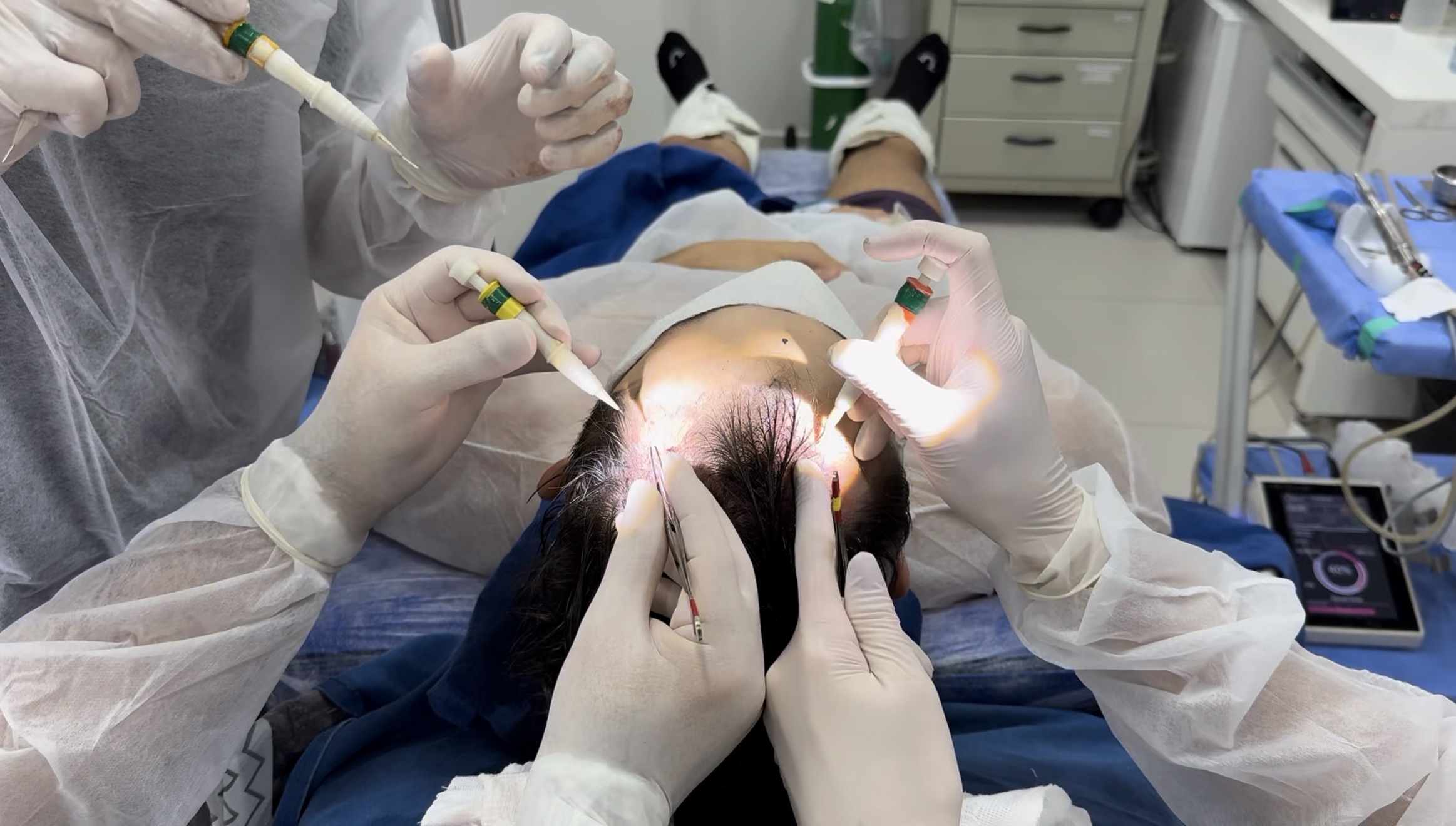
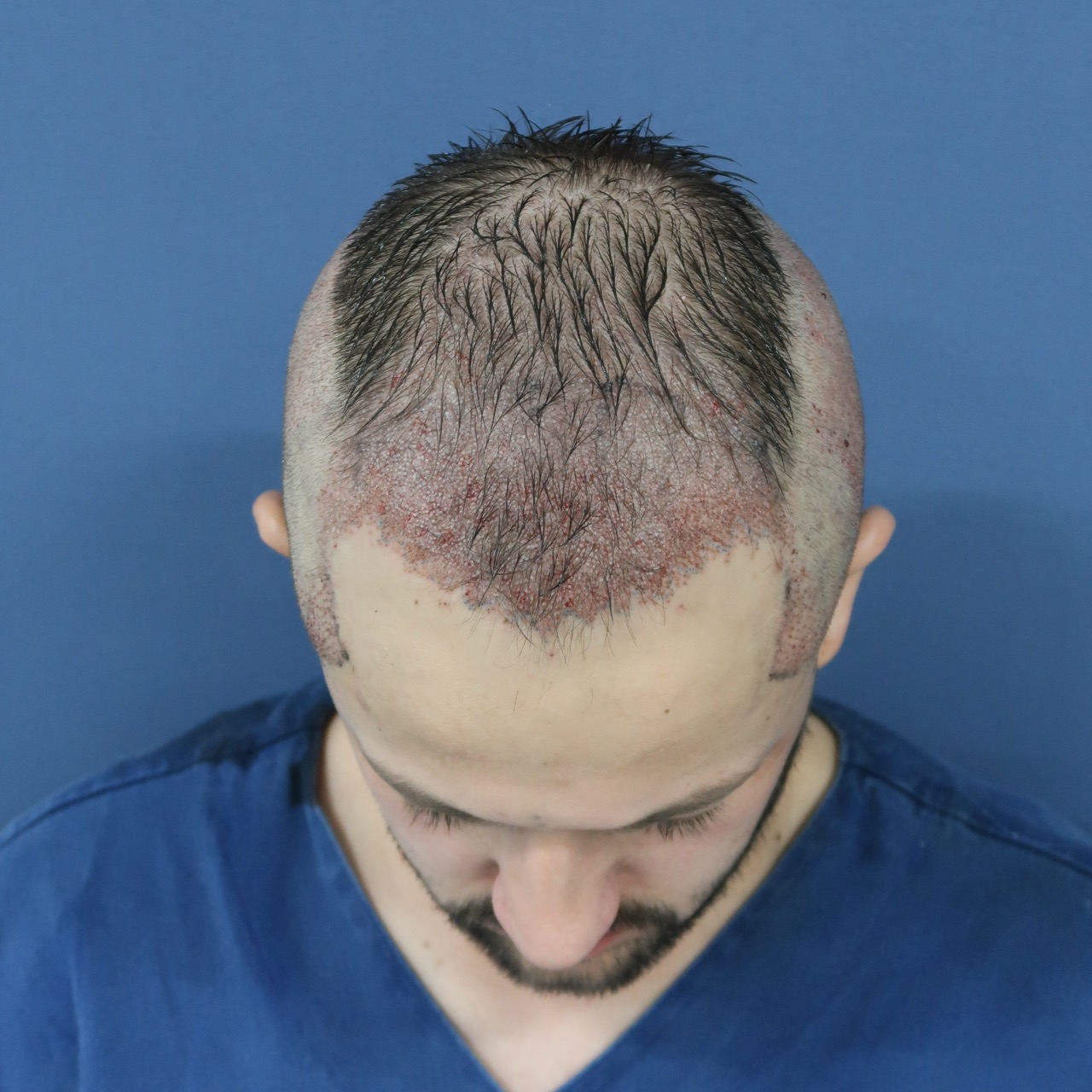
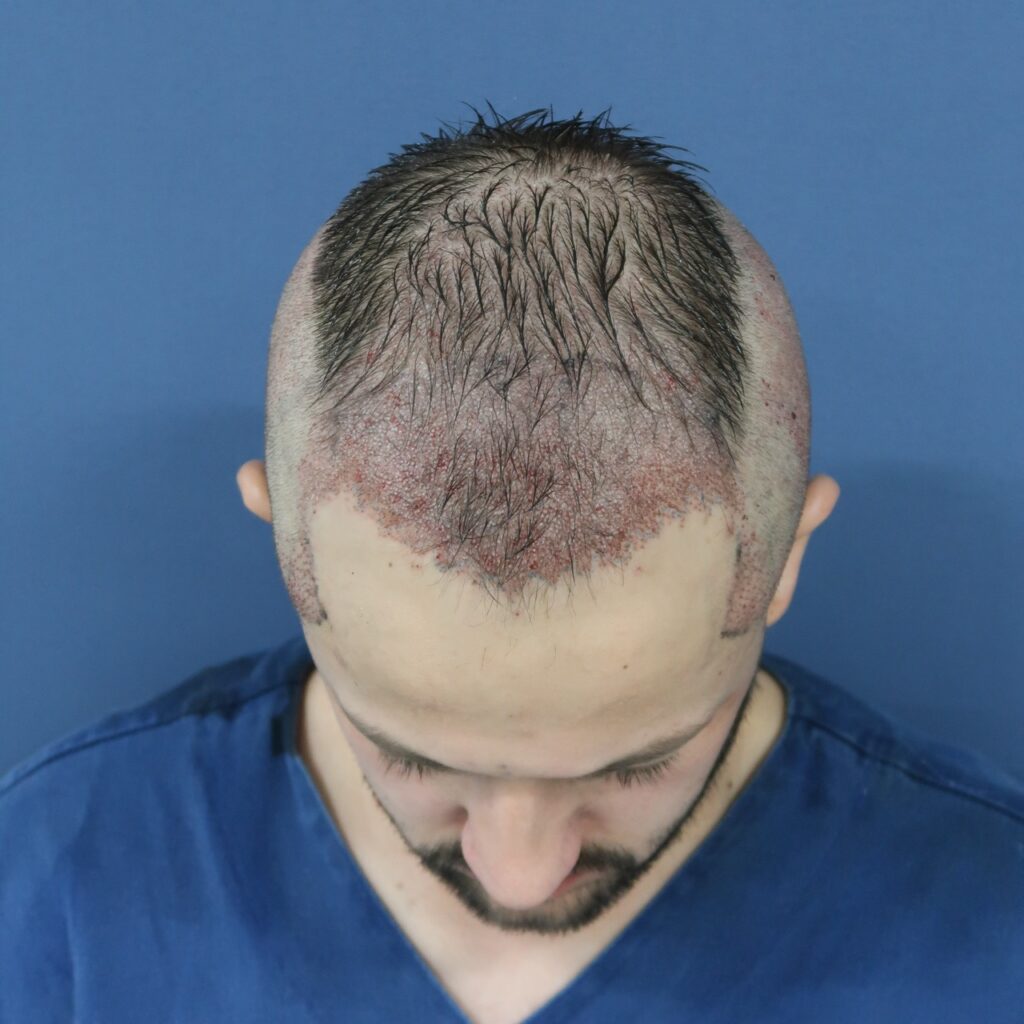
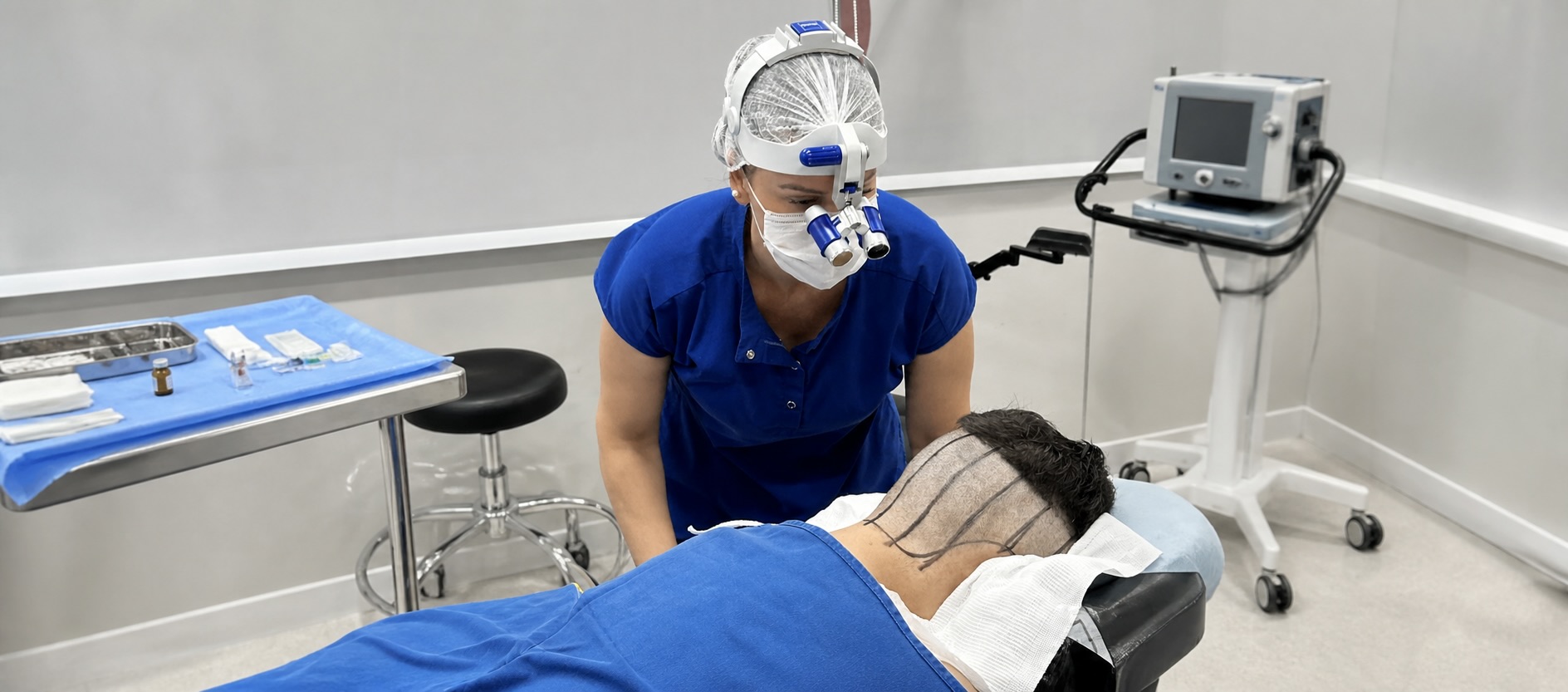
A transplant relocates hair. The process that caused the loss continues in the areas that were not treated. Follicles are taken from the back and sides, where the hair is less affected, and placed in the hairline, mid-scalp or crown. With the FUE technique, each follicular unit is removed individually. The moved hair comes from the area that is less affected by the process [9], but the surrounding native hair can continue to thin, so the plan has to look years ahead. More on the technique on our FUE hair transplant page.
What the evidence does not support
None of the sources reviewed for this article supports shampoos, vitamins taken without a proven deficiency, or “hair growth” supplements as a treatment for pattern hair loss. While you use them, the underlying process continues. If you are using something and are unsure whether it does anything, bring it to the consultation.
Which option fits which stage
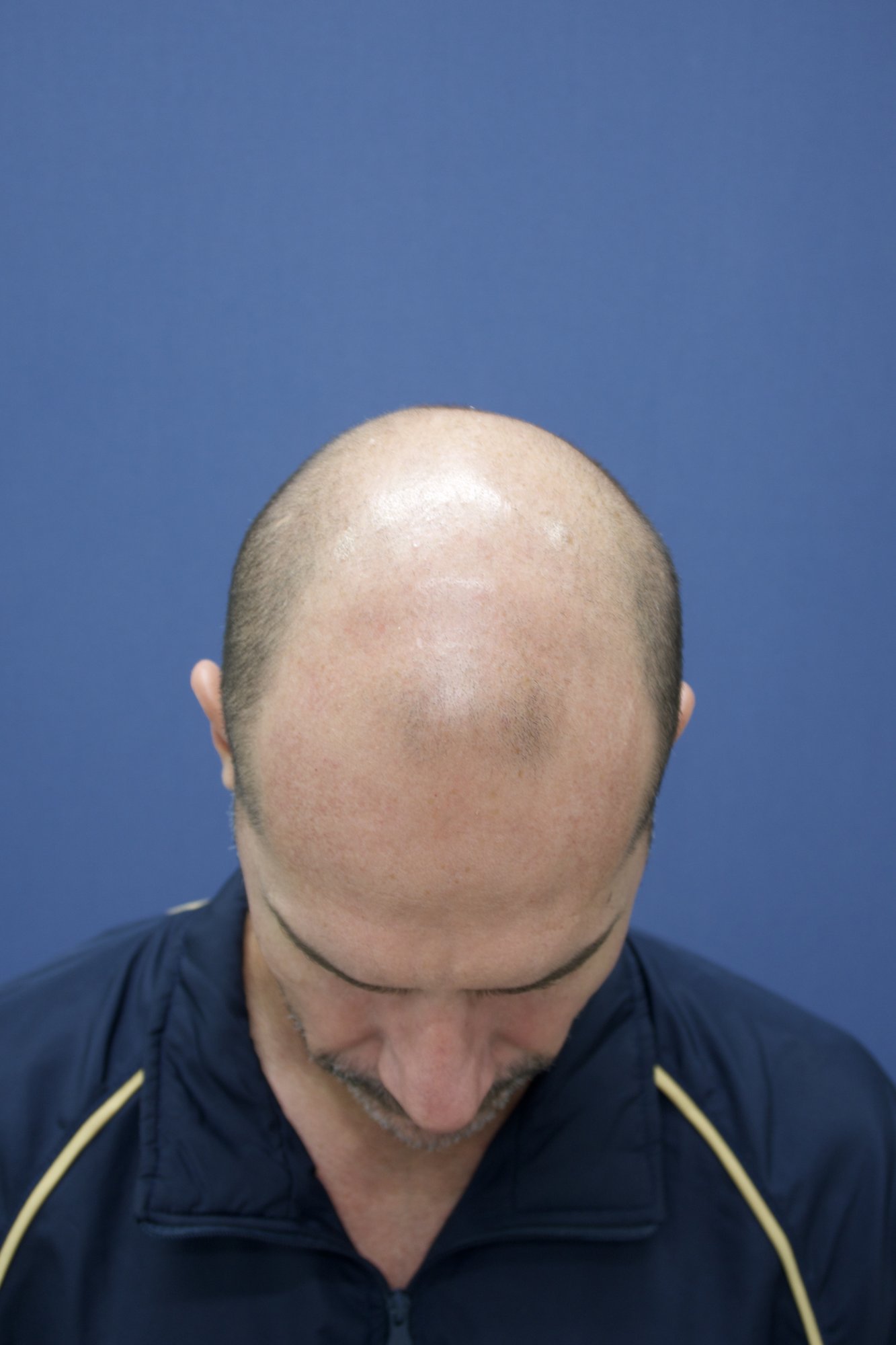
This table is a starting point for the conversation. Two people at the same stage can need different plans, and only an examination settles which; no stage justifies a particular procedure on its own.
| Situation | Usually discussed first | A transplant |
|---|---|---|
| Early recession or thinning (Norwood II to III, Ludwig I) | Medication to slow progression | Usually not yet; the pattern needs to be predictable and the extent clear |
| Established loss, still progressing (Norwood III vertex to IV, Ludwig II) | Medication | Can be planned once the loss has been stable for a period the surgeon is comfortable with |
| Stable loss with a clear bald area (Norwood IV to V, Ludwig II to III) | Transplant planning; medication to protect native hair | Often the option that changes the picture most |
| Advanced loss (Norwood VI to VII) | Candid discussion of donor supply; scalp micropigmentation as an alternative or complement | Possible with careful priorities; full coverage is rarely realistic |
| Uncertain diagnosis or sudden shedding | Diagnosis first | No |
PRP, mesotherapy and laser are not assigned to a stage by the evidence reviewed here; whether one of them is added is decided at the assessment.
Whatever the stage, the first step is the same: an examination that confirms pattern hair loss, records the stage and checks the donor area. From there the options narrow quickly.
When a hair transplant makes sense
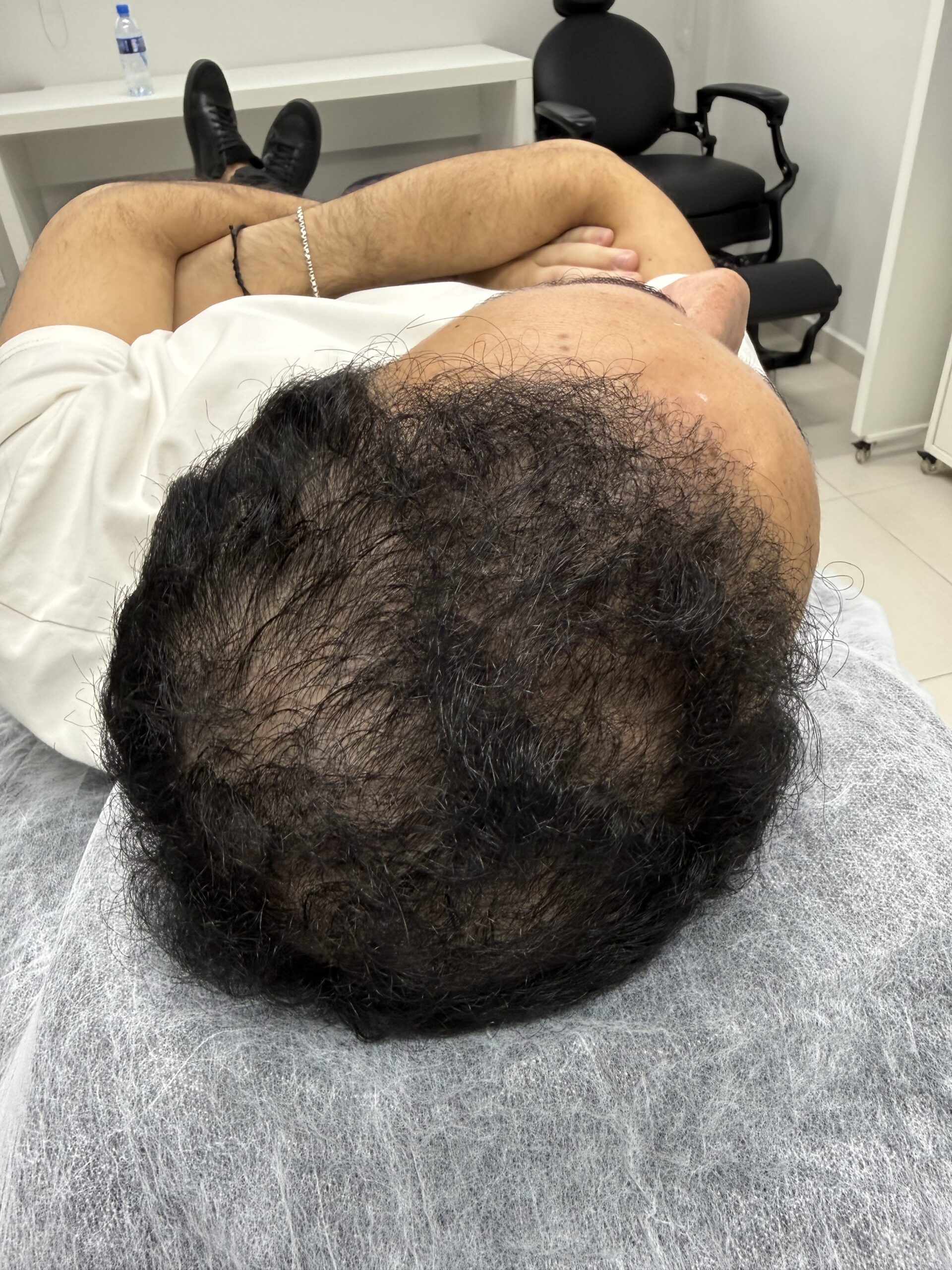
Surgeons tend to look at five things before recommending a transplant for pattern hair loss [7][9]:
- Diagnosis. The loss must be pattern hair loss or another stable, non-scarring condition. Active shedding, alopecia areata and active scarring diseases are not treated with a transplant.
- A predictable pattern. Surgeons favour a predictable pattern of thinning over widespread, rapidly progressive loss [7]. In very young patients the future pattern is harder to predict, which is why many surgeons prefer to see how it develops, with or without medication, before operating.
- Donor supply. The amount of donor hair on the scalp is an important factor in deciding which goals are achievable [9]. The band at the back and sides has to be dense enough to cover the planned area without being visibly thinned itself. This is the main limit in advanced stages.
- General health. A transplant is a surgical procedure and medical fitness is assessed like for any other [7].
- Expectations. A transplant restores a frame around the face and density where it matters most; it does not restore the hair of your twenties over the whole scalp. Older age alone does not rule anyone out [9].
Two of our cases show what this looks like in practice: a hairline and crown transplant in a Norwood III vertex pattern and a no-shave FUE of 5,000 grafts in a Norwood IV pattern. Costs depend on the number of grafts and the plan; our cost page explains how that is worked out.
How we assess this at Camara Lopes Clinic
Our team in Curitiba combines a plastic surgeon and a dermatologist who specialises in hair and scalp disorders, so the same evaluation can answer both questions at once: is medical treatment enough, and is a transplant an option. Read how our hair loss diagnosis works, or meet the doctors. Women can also read our page on hair transplants for women.
Ready to find out what is realistic for your stage? Book an online consultation for a medical assessment of treatment, transplant or both.
Frequently asked questions
Can baldness be reversed?
Partly, in some people, and the benefit may require continued treatment. Medication can support regrowth in areas that are thinning but not yet bald, and a transplant can rebuild areas that are bald. Neither removes the underlying tendency [2][3].
At what age does male pattern baldness start?
Men can become aware of a receding hairline at any time after puberty, and it can affect men of any age [2]. Many first notice it in their twenties or thirties. An early start usually means a stronger tendency, which is one reason early assessment is worth having.
Does hair loss at the temples always mean I will go bald?
No. Slight, symmetrical recession at the temples is common and can stay at that stage for decades. The question is whether it is progressing, which an examination and, if needed, a follow-up visit can answer.
Is PRP better than medication?
The reviewed evidence does not answer that directly: the PRP trials compared PRP with placebo, not with medication [4]. Topical minoxidil and oral finasteride were graded at the highest evidence level of the 2017 European guideline and remain the basis of current patient guidance [1][2][3]; PRP has shown a positive signal for hair density with low certainty [4]. How the two are combined in your case is decided at the assessment.
Can I have a hair transplant at stage VII?
Sometimes, with careful planning and realistic goals. The limit is donor hair: at stage VII there is much less of it, so a surgeon will prioritise the hairline and may combine the transplant with scalp micropigmentation. Some people are better served by micropigmentation alone.
Do I need to keep taking medication after a transplant?
That is usually discussed, yes. The native hair around the transplanted area continues to be affected by the process, and the benefit of treatment may require continued use [2]. Whether and for how long you continue is decided with your doctor.
Sources
- Evidence-based (S3) guideline for the treatment of androgenetic alopecia in women and in men, short version. J Eur Acad Dermatol Venereol, 2018. PMID 29178529. DOI 10.1111/jdv.14624. https://pubmed.ncbi.nlm.nih.gov/29178529/
- British Association of Dermatologists. Hair loss: male pattern (androgenetic alopecia). Patient information leaflet, updated June 2024. https://www.bad.org.uk/pils/hair-loss-male-pattern-androgenetic-alopecia
- British Association of Dermatologists. Hair loss: female pattern (androgenetic alopecia). Patient information leaflet, updated October 2024. https://www.bad.org.uk/pils/hair-loss-female-pattern-androgenetic-alopecia
- Is autologous platelet-rich plasma capable of increasing hair density in patients with androgenic alopecia? A systematic review and meta-analysis of randomized clinical trials. An Bras Dermatol, 2024. PMID 39013743. DOI 10.1016/j.abd.2024.01.002. https://pubmed.ncbi.nlm.nih.gov/39013743/
- Comparative study between mesotherapy and topical 5% minoxidil by dermoscopic evaluation for androgenic alopecia in male: a randomized controlled trial. Int J Trichology, 2019. PMID 31007474. DOI 10.4103/ijt.ijt_89_18. https://pubmed.ncbi.nlm.nih.gov/31007474/
- Efficacy and safety of a low-level laser device in the treatment of male and female pattern hair loss: a multicenter, randomized, sham device-controlled, double-blind study. Am J Clin Dermatol, 2014. PMID 24474647. DOI 10.1007/s40257-013-0060-6. https://pubmed.ncbi.nlm.nih.gov/24474647/
- International Society of Hair Restoration Surgery. A guide to hair transplant for women. https://ishrs.org/hair-transplant-for-women
- European Dermatology Forum. S3 guideline for the treatment of androgenetic alopecia in women and in men, long version, 2017 (stated expiry June 2020). https://www.guidelines.edf.one/uploads/attachments/cl262ylye009ulajnpuci9r2i-androgenetic-alopecia-2017-gl.pdf
- International Society of Hair Restoration Surgery. A guide to hair transplantation after age 50. https://ishrs.org/hair-transplantation-after-age-50-excellent-results-are-the-rule-in-older-patients
- International Society of Hair Restoration Surgery. Male- and female-pattern hair loss: are they predictable? https://ishrs.org/male-and-female-pattern-hair-loss-are-they-predictable
- Female pattern hair loss and androgen excess: a report from the multidisciplinary Androgen Excess and PCOS Committee. J Clin Endocrinol Metab, 2019. PMID 30785992. DOI 10.1210/jc.2018-02548. https://pubmed.ncbi.nlm.nih.gov/30785992/
Medical note: this article is general information and does not replace an individual consultation. Treatment decisions, including medication, are made with a doctor after examination. See our medical disclaimer.