The result does not appear immediately
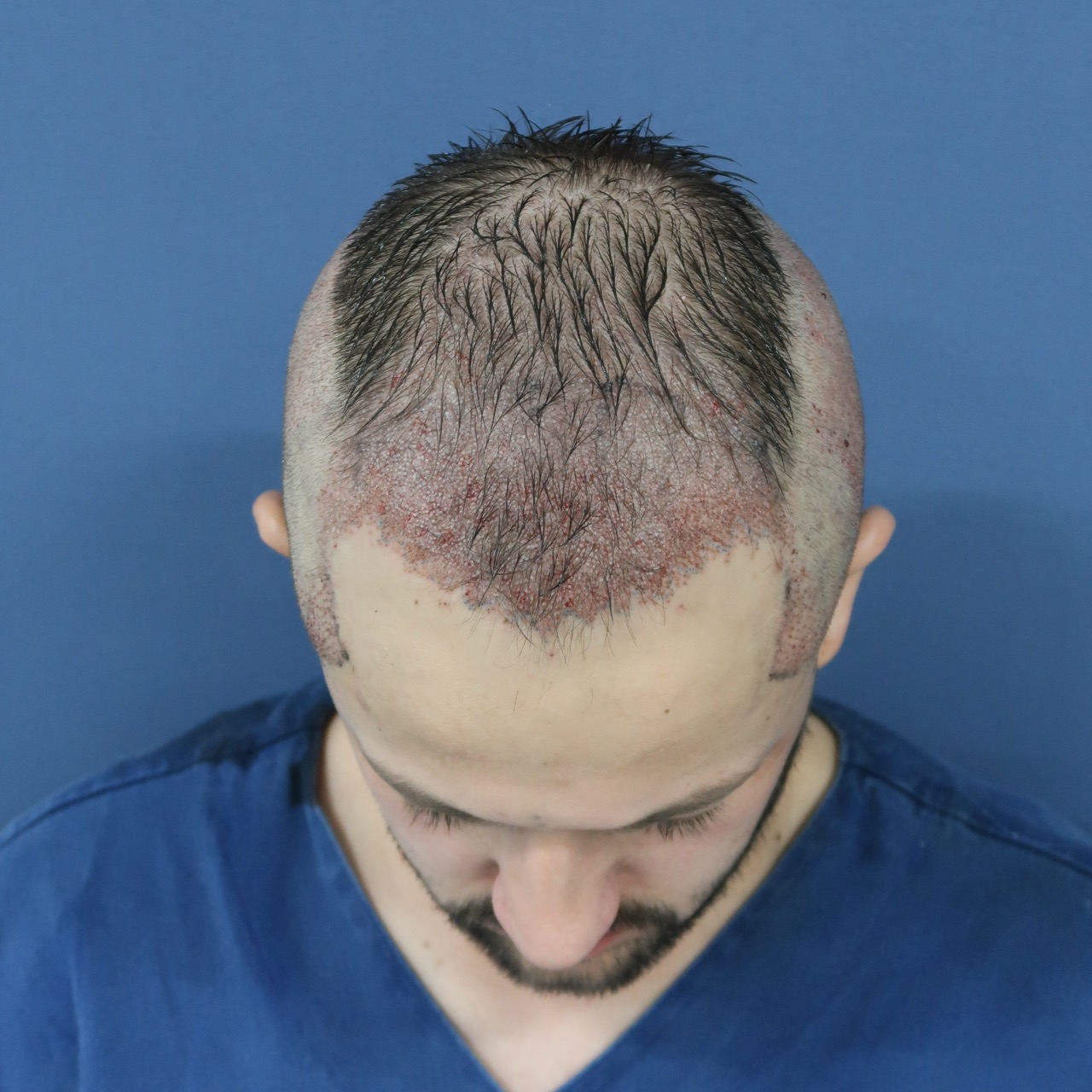
A hair transplant requires patience. The procedure places living follicular units into a new area, but the visible cosmetic result develops over months. Many patients feel excited immediately after surgery because the new hairline is visible, but this early appearance is not the final result.
The scalp must heal, crusts must fall, redness must improve, and the transplanted hairs may shed before new growth begins. Understanding this timeline helps reduce anxiety during recovery.
The first days
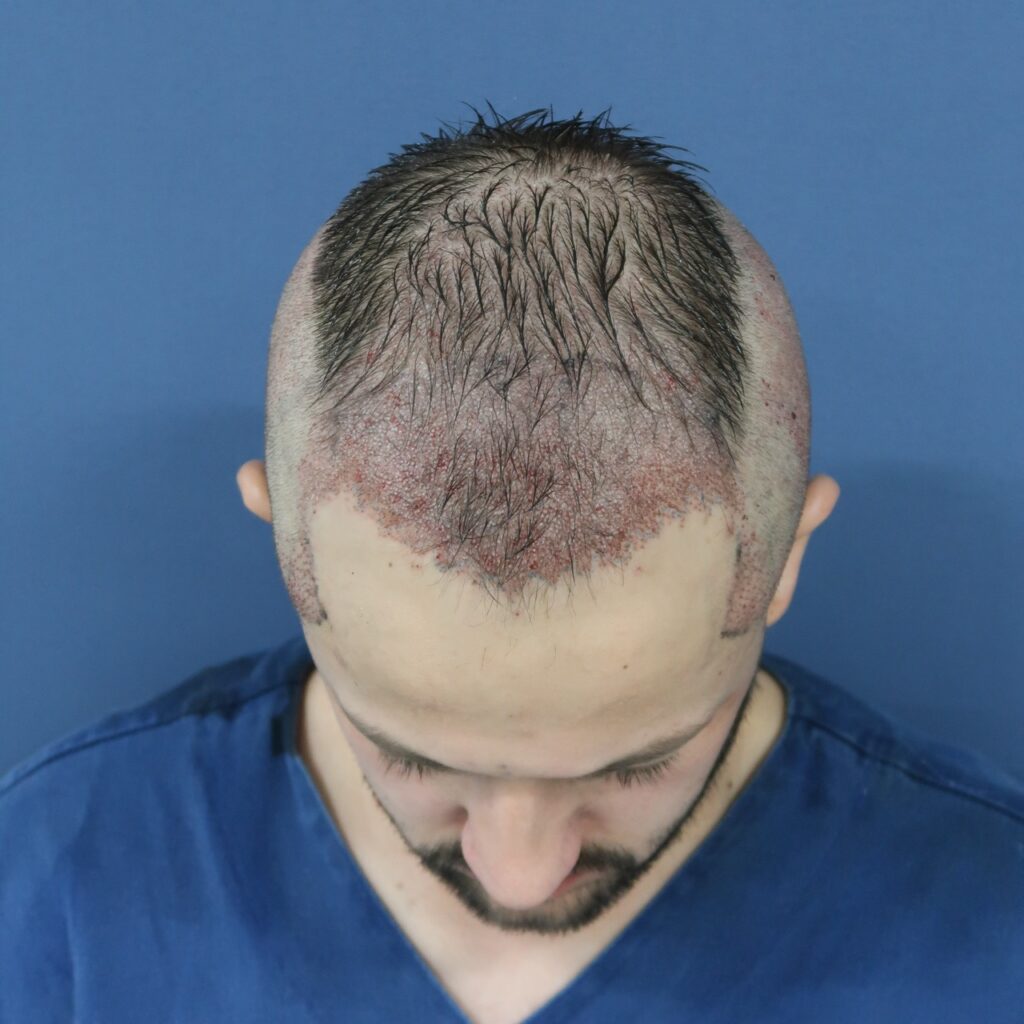
During the first days, the most important priority is protecting the grafts and following the clinic’s instructions. The transplanted area should not be scratched, rubbed, or exposed to unnecessary trauma. Sleeping position, washing technique, medication, and swelling control all matter.
The donor area may feel sensitive, tight, or slightly uncomfortable. This is usually part of the normal healing process, but the patient should follow medical guidance and report anything unusual.
Shedding phase
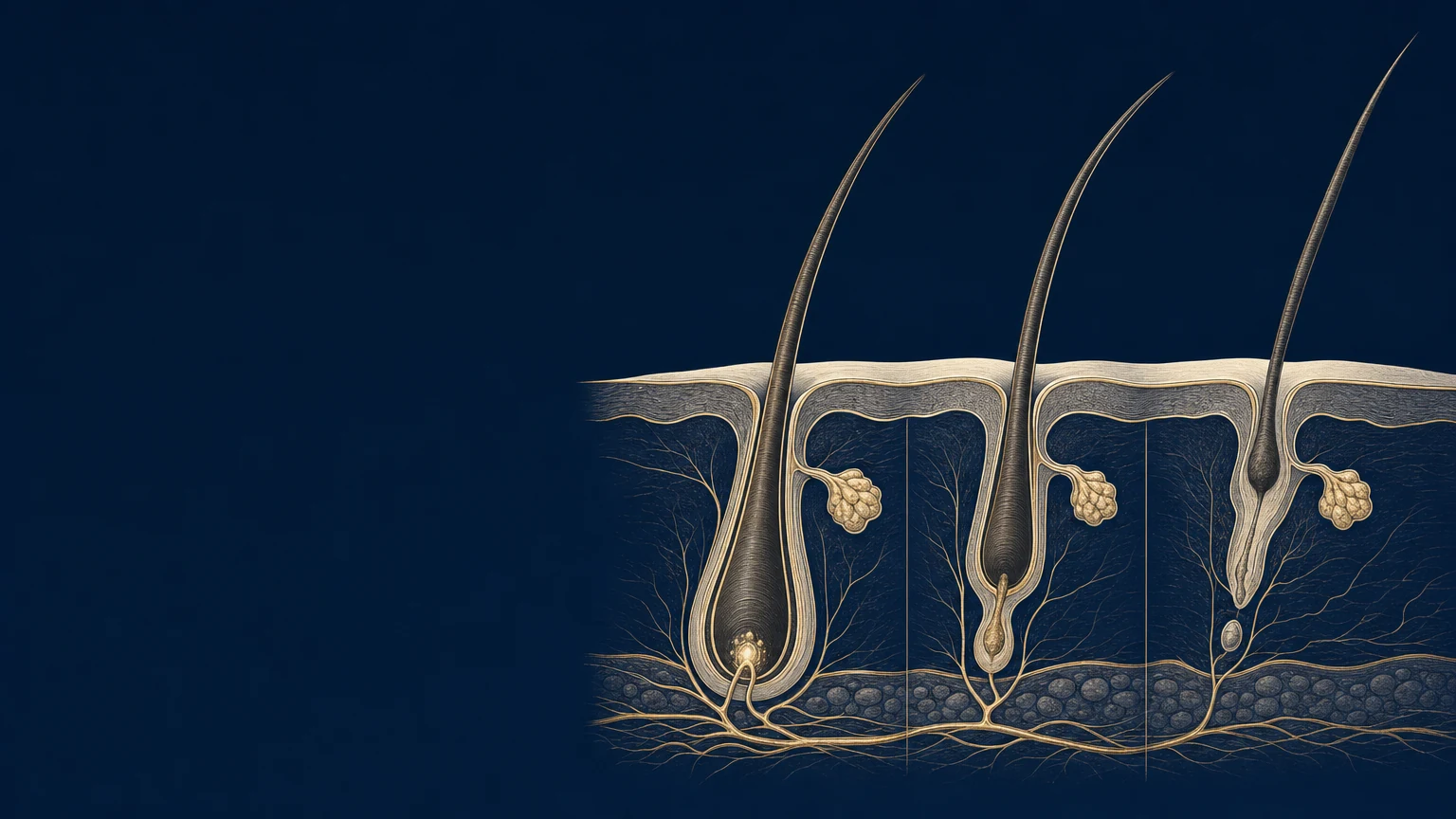
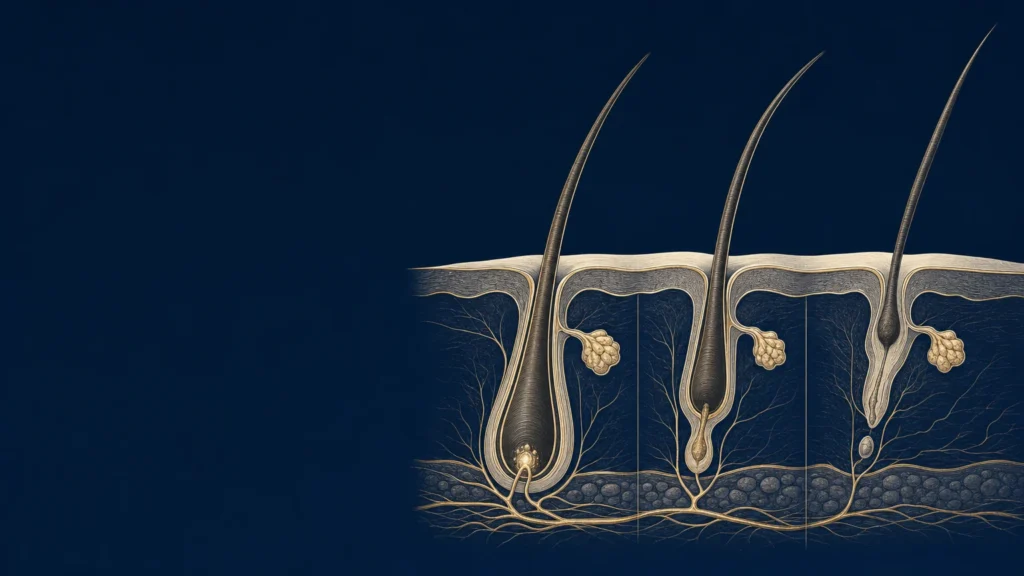
Many transplanted hairs shed during the first weeks. This can be alarming, but it is often expected. The follicle remains under the skin while the hair shaft falls. New growth begins later.
Do not panic
This phase is one of the most common moments when patients worry that the transplant failed. In most cases, shedding is part of the normal cycle after transplantation.
Early growth
New growth usually begins gradually. The first hairs may be thin, irregular, or uneven. This does not represent the final density. Over time, the hairs become stronger, thicker, and more visible.
The timeline can vary from patient to patient. Some patients see earlier growth, while others develop more slowly. The final evaluation should not be made too early.
Final maturation
Most patients evaluate the result between 8 and 12 months, although maturation can continue beyond that depending on the case. Texture, thickness, and styling improve gradually.
A hair transplant is a process, not only a surgical day.
Clínica Camara Lopes
Planning your recovery?
Get clear, stage-by-stage guidance on healing, shedding, and growth, with follow-up support at every step of your result.