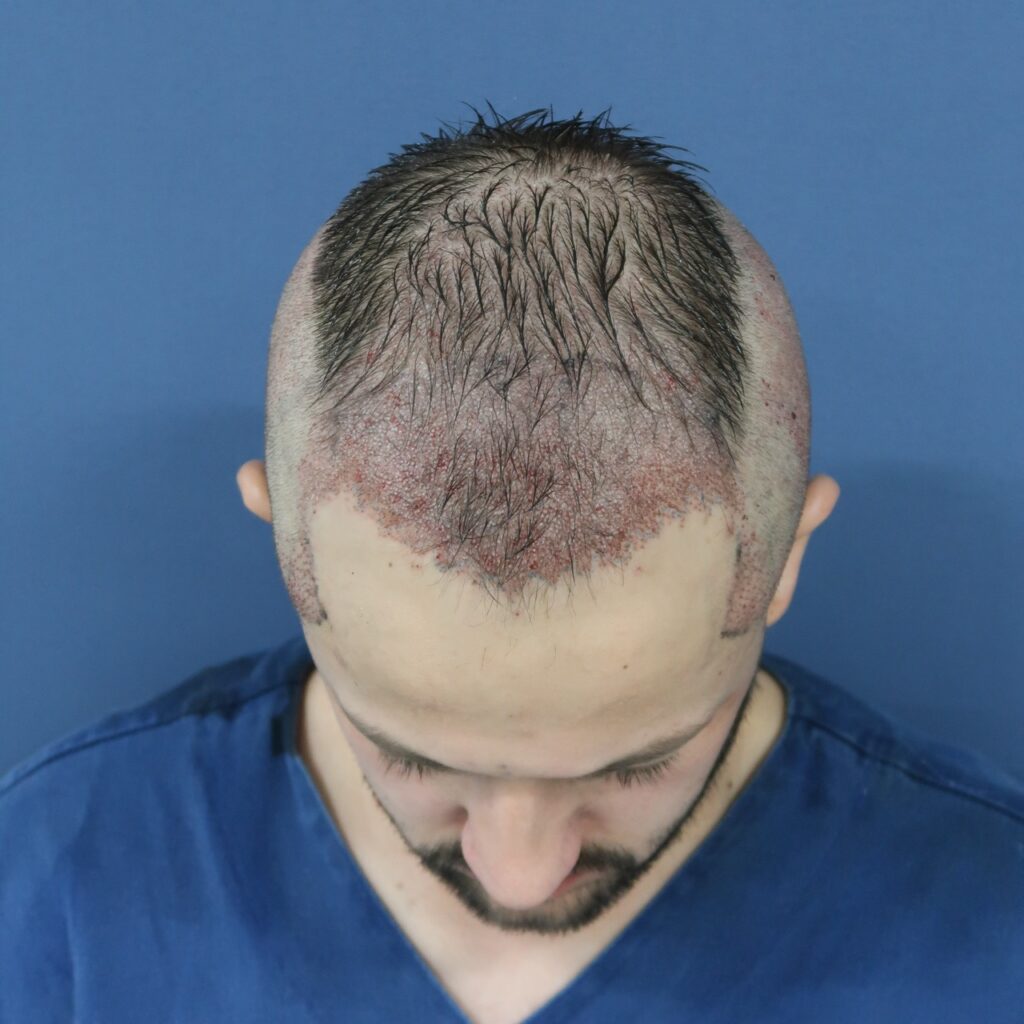
FUE describes extraction, not the whole result
Many patients search for an FUE hair transplant as if the name of the technique alone guarantees quality. FUE means that follicular units are extracted individually from the donor area. It is an important method, but it does not automatically create a natural or successful result.
The final result depends on far more than the extraction method. Every one of these steps shapes the outcome:
What actually determines the result
- Donor evaluation
- Graft extraction
- Graft handling
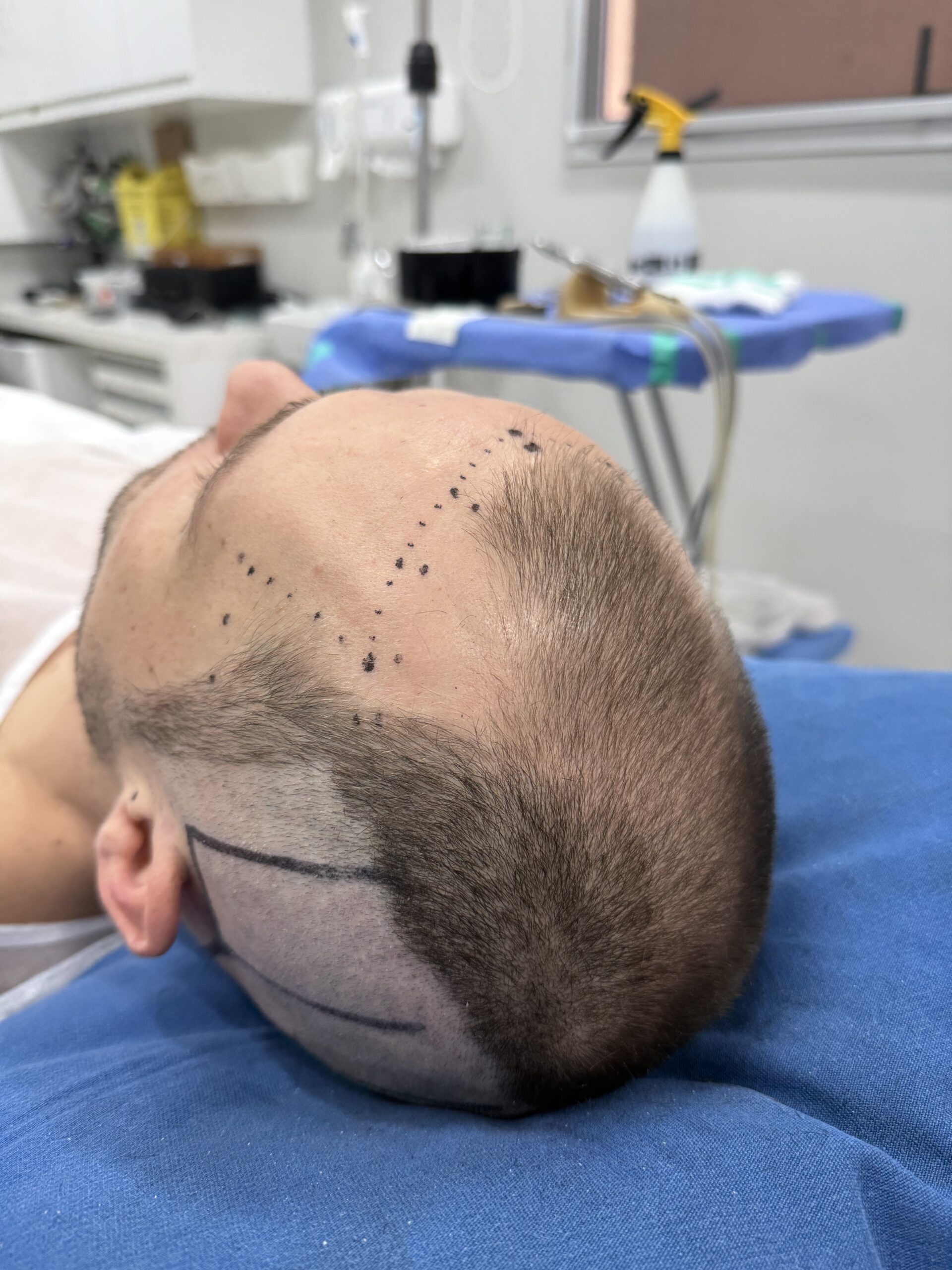
- Hairline design
- Recipient site creation
- Density planning
- Angle and direction
- Post-operative care
A clinic can use FUE and still produce poor results if the planning and execution are weak.
Manual skill still matters
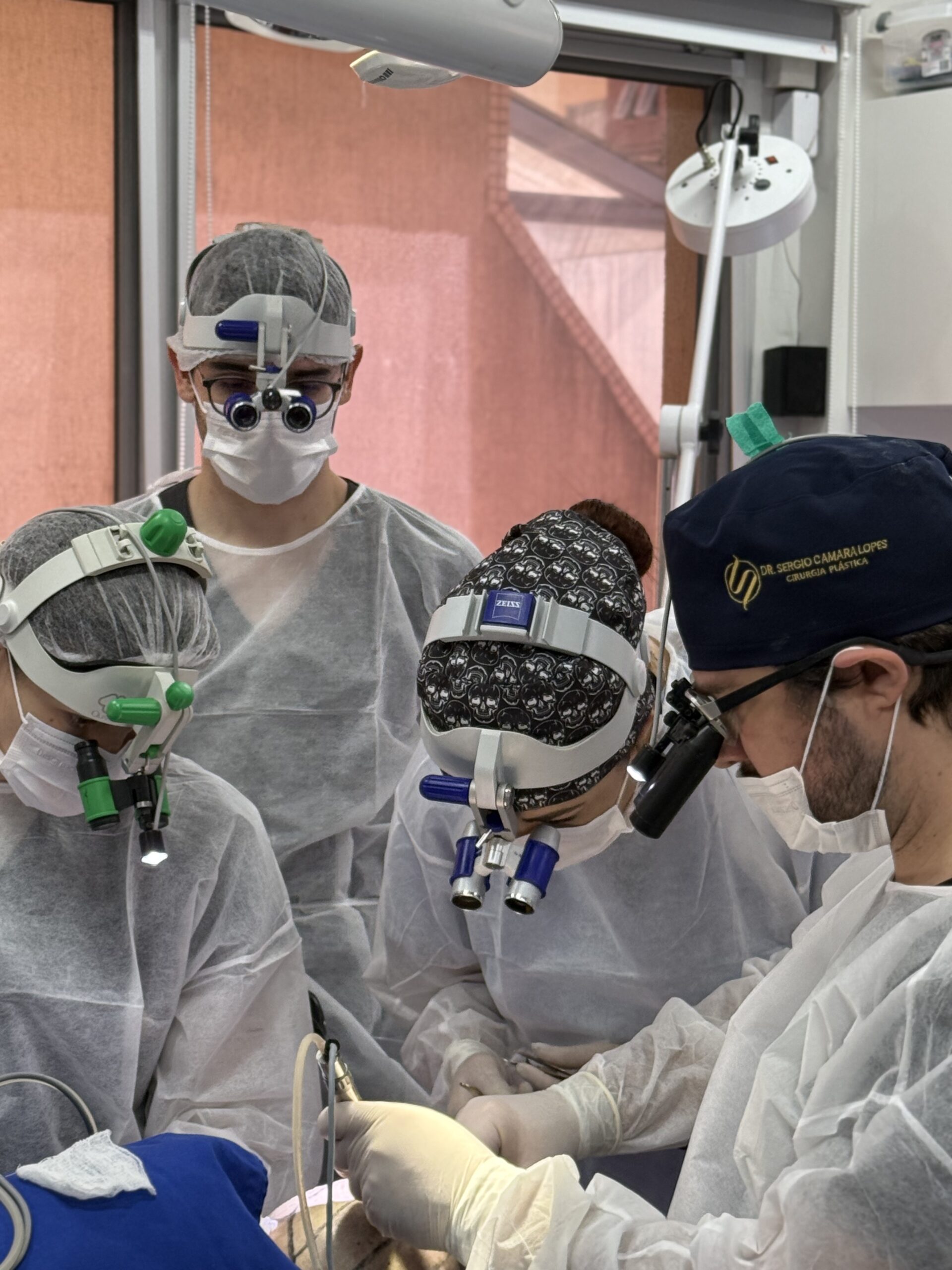
Technology can assist the procedure, but it does not replace the eye, judgment, and hands of the surgeon. Hair grows in different directions and at different angles. The skin can be firm, soft, scarred, or fibrotic. The donor area can be strong or limited. These differences require real-time decisions.
A good surgeon understands when to adjust punch size, extraction rhythm, graft distribution, hairline density, and surgical priorities. This is why experience remains central even in modern FUE.
The hairline is an artistic and medical decision
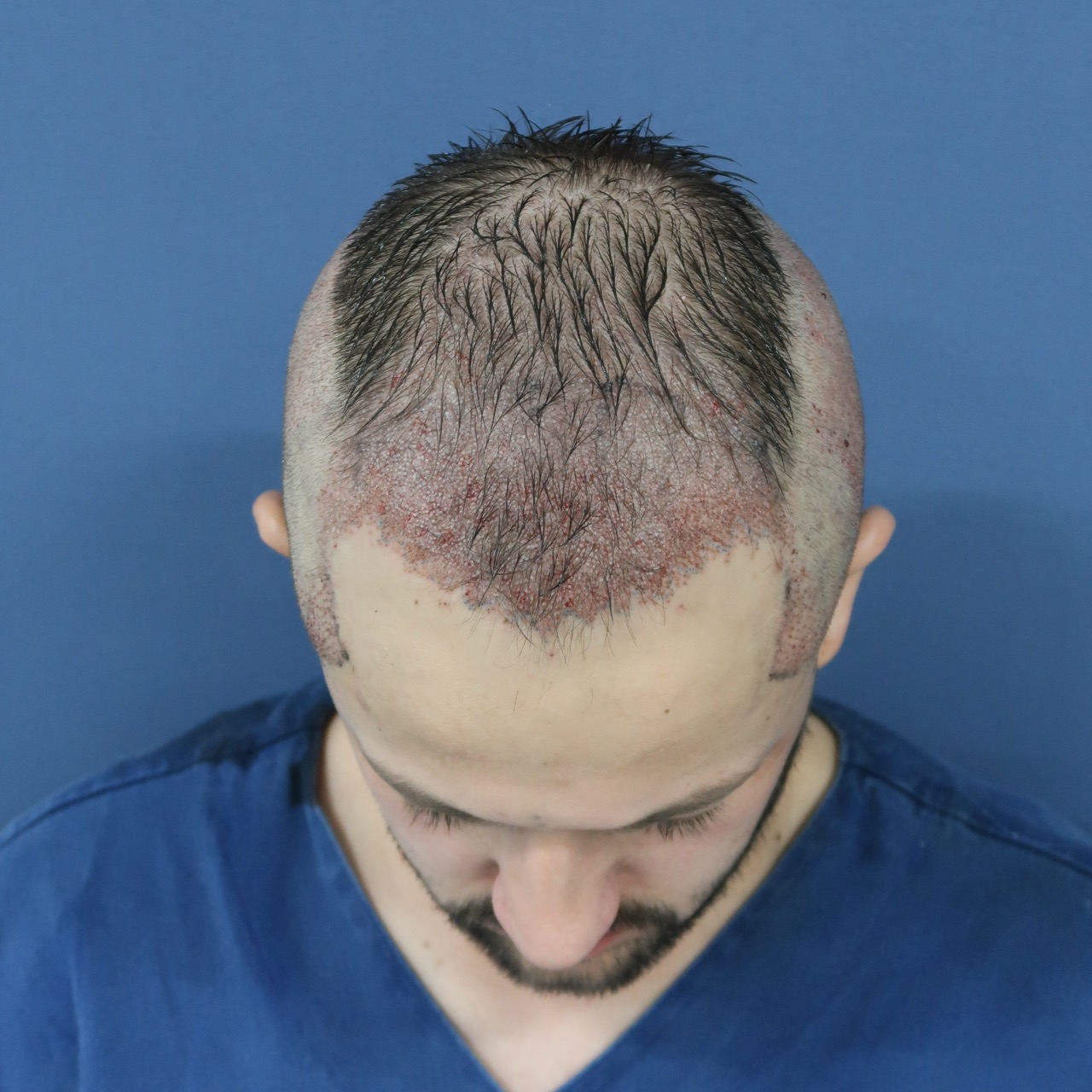
A natural hairline is not simply a line drawn on the forehead. It must respect facial proportions, age, ethnicity, hair direction, future hair loss, and donor capacity. A low or dense-looking hairline may attract attention in photos, but it can become unnatural if it is not planned for the long term.
The best hairline is usually one that looks natural immediately and continues to make sense as the patient ages.
Recipient sites determine how the hair will grow
The transplanted hair will grow according to the angle and direction created during implantation. If the recipient sites are too upright, too dense, too deep, or poorly distributed, the final appearance may be unnatural even if the grafts survive.
This is why the procedure must be planned as a complete surgical design, not only as extraction and placement.
A good result is a chain of correct decisions
Hair transplantation is not one technique. It is a sequence of decisions. If one step is weak, the final result can suffer. The clinic must evaluate correctly, extract carefully, protect grafts, design naturally, implant accurately, and guide recovery.
The bottom line
FUE is valuable, but quality comes from the complete medical system behind it.
Clínica Camara Lopes
Considering an FUE hair transplant?
Look past the technique name. Get a plan built on careful evaluation, natural design, and experienced hands, from the first consultation to full recovery.